Indonesia Deploys Elite Engineering Contingent to DR Congo for UN Peacekeeping Mission
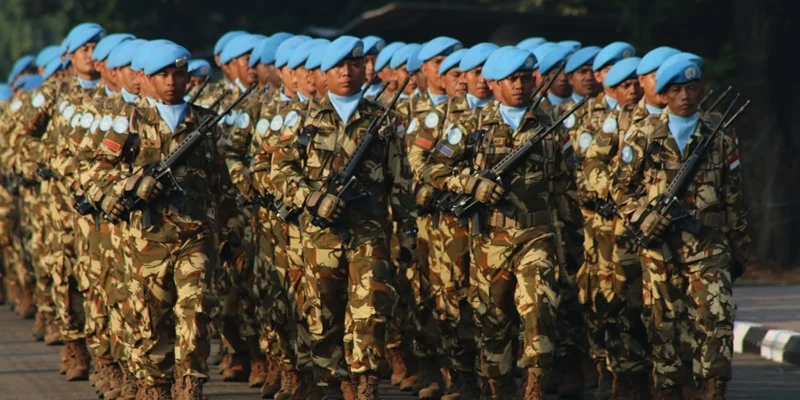
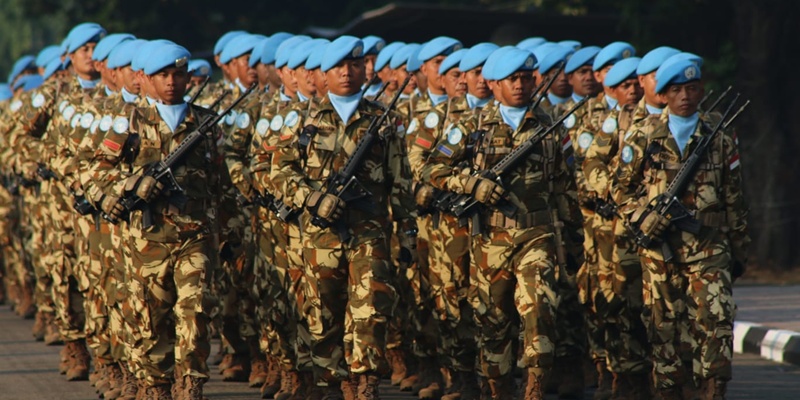
JAKARTA, Indonesia – Demonstrating its unwavering commitment to global security and humanitarian stability, the Indonesian National Armed Forces (TNI) has officially dispatched the Satuan Tugas Kompi Zeni (Satgas Kizi) TNI Contingent Garuda (Konga) XX-W. Tasked with serving under the United Nations Organization Stabilization Mission in the Democratic Republic of the Congo (MONUSCO) for the 2026 fiscal year, this deployment marks another significant chapter in Indonesia’s long-standing tradition of international peacekeeping.
The departure ceremony, held on Friday, July 17, 2026, at the Prima Field of the TNI Headquarters in East Jakarta, served as a poignant reminder of the heavy responsibilities shouldered by Indonesian soldiers on the global stage. Representing the Commander of the Indonesian National Armed Forces (Panglima TNI), General TNI Agus Subiyanto, the ceremony was presided over by the Assistant for Operations (Asops) to the Panglima TNI, Lieutenant General TNI Bobby Rinal Makmun.
The Core Mission: Engineering Excellence in Conflict Zones
The Satgas Kizi TNI Konga XX-W comprises 175 of the finest personnel selected from the three branches of the Indonesian military: the Army, the Navy, and the Air Force. As an engineering unit, their primary mandate in the Democratic Republic of the Congo (DRC) is not combat-centric in the traditional sense, but rather "infrastructure-driven diplomacy."
The MONUSCO mission is widely regarded as one of the most challenging UN deployments due to the DRC’s vast, rugged terrain and the complex nature of the civil unrest that has plagued the region for decades. The Indonesian Engineering Company is tasked with critical roles, including:
- Infrastructure Development: Building and repairing vital transport arteries, including bridges and roads, which are essential for the movement of humanitarian aid and UN logistics.
- Engineering Support: Providing technical construction support for UN bases and local community facilities.
- Logistical Sustainability: Ensuring that UN operations can function in remote, hard-to-reach areas by overcoming geographic obstacles.
Chronology of Deployment and Preparation
The deployment of the XX-W contingent is the result of months of rigorous preparation. Before being deemed mission-ready, the 175 personnel underwent intensive pre-deployment training (PDT).
Key Phases of Preparation:
- Selection (Early 2026): Personnel were vetted based on technical engineering skills, psychological resilience, and medical fitness.
- Specialized Training: The contingent engaged in simulations involving explosive ordnance disposal (EOD), defensive construction techniques, and advanced mechanics.
- Cultural and Language Integration: Recognizing the specific needs of the Congolese population, soldiers received briefings on local customs, French language basics, and the intricacies of International Humanitarian Law.
- Operational Review: The final readiness check, or Geladi Bersih, ensured that all equipment, ranging from heavy machinery to communication arrays, met the stringent standards set by the UN Department of Peace Operations (DPO).
Official Directives: Professionalism and Integrity
During the departure ceremony, Lieutenant General Bobby Rinal Makmun read the official mandate of the Panglima TNI. The message was clear: the soldiers are not merely personnel; they are the face of Indonesia on the world stage.
"This assignment is a mandate from the state and a tangible manifestation of the TNI’s commitment to supporting world peace," the message stated. "You are expected to uphold the honor of the TNI, the nation, and the state through an attitude that is professional, disciplined, loyal, and integrated, while maintaining a humanistic and responsible approach toward the local populace."
The command emphasized the need for a "soft-power" approach. By engaging with local communities, Indonesian peacekeepers are tasked with winning the hearts and minds of the Congolese people, thereby facilitating a more stable environment for the UN’s stabilization mandate.
The Operational Environment: Navigating Risks
The mission in the DRC is fraught with multi-dimensional threats. The Panglima TNI’s directive specifically addressed three critical areas of concern that the contingent must navigate:
1. Security Instability
The eastern region of the DRC, where MONUSCO operates, remains a volatile theater involving various armed groups. While the Indonesian contingent is primarily engineering-focused, they are required to operate under strict force protection protocols, ensuring that they can defend themselves and their infrastructure projects in the event of an escalation in hostilities.
2. Infrastructure Deficiencies
The DRC’s terrain is unforgiving. Dense jungles, mountainous regions, and the lack of reliable road networks mean that the Indonesian engineering company will often be working in isolation. Success depends on their ability to be self-sustaining and their skill in building infrastructure that can withstand the tropical climate.
3. Public Health Challenges
Perhaps the most concerning non-combat threat identified in the briefing is the resurgence of the Ebola virus and other infectious diseases in specific areas of operation. The military leadership has mandated strict adherence to medical protocols, rigorous hygiene standards, and close coordination with the World Health Organization (WHO) to prevent the spread of disease among the troops and the local population.
Supporting Data: Indonesia’s Track Record in Peacekeeping
Indonesia’s involvement in UN peacekeeping missions is a cornerstone of its foreign policy. Since the "Garuda" mission first began in 1957, Indonesia has consistently ranked among the top troop-contributing countries globally.

- The "Garuda" Legacy: The Konga missions have spanned from the Middle East to Africa and Southeast Asia.
- Strategic Capability: The Engineering Company (Kizi) is one of the most sought-after units by the UN because of their versatility. Their ability to bridge physical gaps often results in immediate improvements to the quality of life for local Congolese villagers, who benefit from the roads and bridges constructed by the TNI.
- International Standing: By participating in MONUSCO, Indonesia reaffirms its status as a middle power committed to the UN Charter, strengthening its position in international forums like the UN Security Council and the Non-Aligned Movement.
Implications of the Mission
Diplomatic Implications
The deployment serves to reinforce Indonesia’s "Free and Active" (Bebas dan Aktif) foreign policy. By contributing to the security of the DRC, Indonesia signals that it is a responsible stakeholder in the international system, capable of projecting power for humanitarian and peace-building purposes.
Military Modernization and Experience
Operating in the DRC provides the TNI with invaluable experience in multinational operations. The collaboration with military contingents from other nations enhances Indonesia’s interoperability with global standards, refining its logistical and engineering doctrines in a real-world, high-stakes environment.
Humanitarian Impact
For the people of the DRC, the presence of the Indonesian engineering contingent means more than just a military presence. It translates to the physical construction of a future. Every bridge built is a pathway to schools, hospitals, and markets. The soldiers’ adherence to a "humanistic approach" ensures that their presence fosters trust rather than fear, a vital component in the long-term stabilization of a post-conflict nation.
Conclusion: A Mission of Pride
As the 175 soldiers of Satgas Kizi TNI Konga XX-W depart for the Democratic Republic of the Congo, they carry with them the hopes of the Indonesian people. The challenges ahead—ranging from the security landscape to the threat of pandemic—are significant, yet the rigorous preparation and the high caliber of the personnel involved provide confidence in the mission’s success.
The deployment of this contingent is a testament to the fact that peace is not merely the absence of war, but a constructive process requiring dedication, sacrifice, and the willingness to labor in the most difficult corners of the globe. As they embark on this journey, the soldiers of the Konga XX-W stand as symbols of Indonesia’s commitment to a safer, more stable world, ready to fulfill their duty with the professionalism that has become the hallmark of the Indonesian National Armed Forces.
The world will be watching as these peacekeepers apply their expertise, not only to build infrastructure but to build bridges of peace in one of the most critical missions of the decade.