The Fractured Tides: Social Upheaval and Environmental Dread in Bintan’s Sea Sand Mining Dispute
By: Editorial Staff
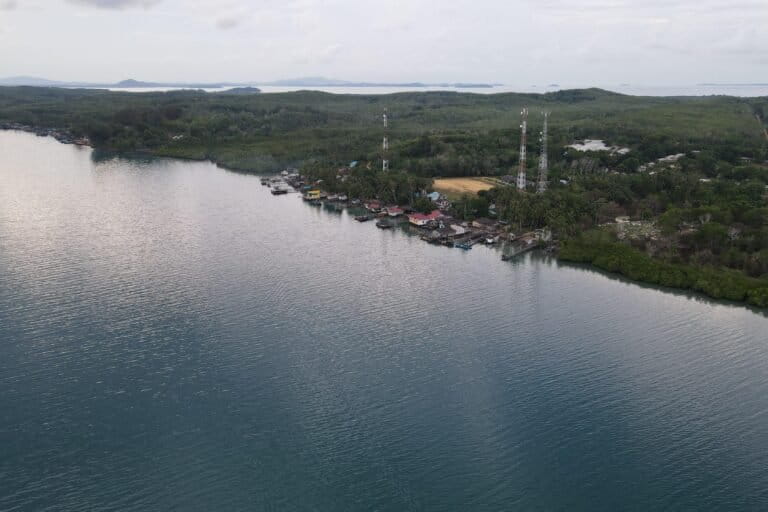
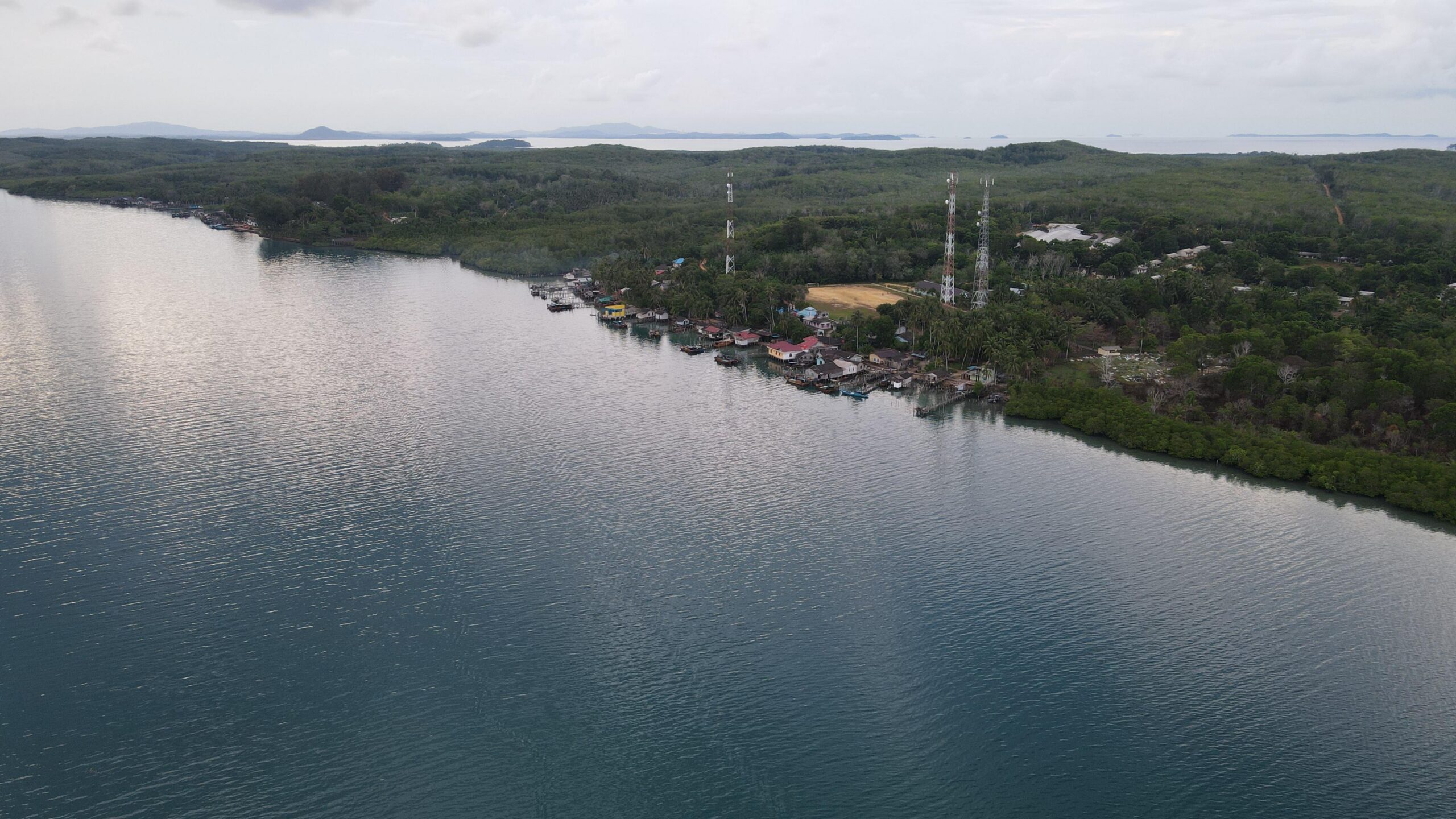
The coastal serenity of Pulau Numbing, a village nestled in the Bintan Regency of the Riau Islands, was once defined by the rhythmic casting of nets and the quiet labor of local fishers. However, as of May 2026, that silence has been replaced by a pervasive, chilling tension. The island is currently caught in the crosshairs of a massive, multi-company sea sand mining project—a venture officially branded as "sedimentation management," but viewed by many locals as an existential threat to their way of life.
The controversy has torn the social fabric of the community. In Numbing, familial bonds have frayed, and long-time neighbors now refuse to speak to one another. The divide is binary: those who view the project as a necessary economic windfall and those who see it as the death knell for their ancestral fishing grounds.
The Genesis of the Conflict: A Corporate Influx
The apprehension began in March 2025, when rumors of a single mining company eyeing the waters around Numbing began to circulate. Over the following year, that singular threat mutated into a massive industrial proposition. It was revealed that not one, but 13 different companies had set their sights on the area, planning to extract sea sand under the guise of environmental maintenance.
For Rudi Herdiawan, Chairman of the Bintan-Lingga Coastal Fishermen’s Alliance, this development was a call to arms. "There are 13 companies poised to extract sand," he explains. "The scale of this, combined with the lack of transparency, left us no choice but to organize."
The protest movement quickly transcended the borders of Numbing, drawing support from fishing communities in Karimun and Lingga. These collective voices have since taken their grievances to the Governor’s office and the Provincial Parliament (DPRD) of the Riau Islands, demanding an immediate halt to the licensing process.
Conflicting Narratives and the "Consultation" Debate
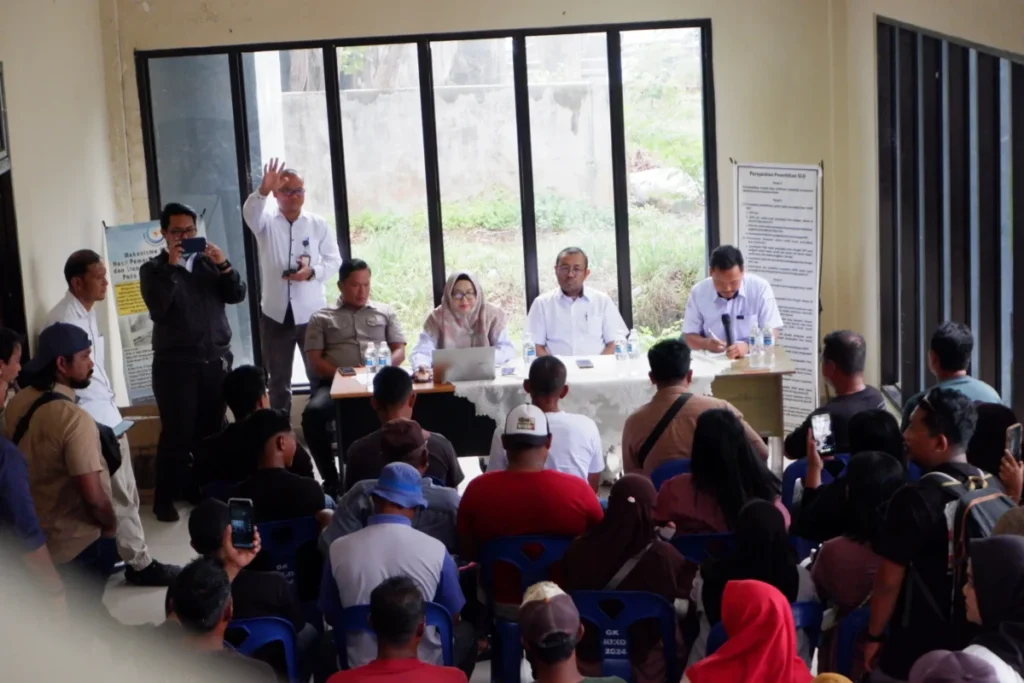
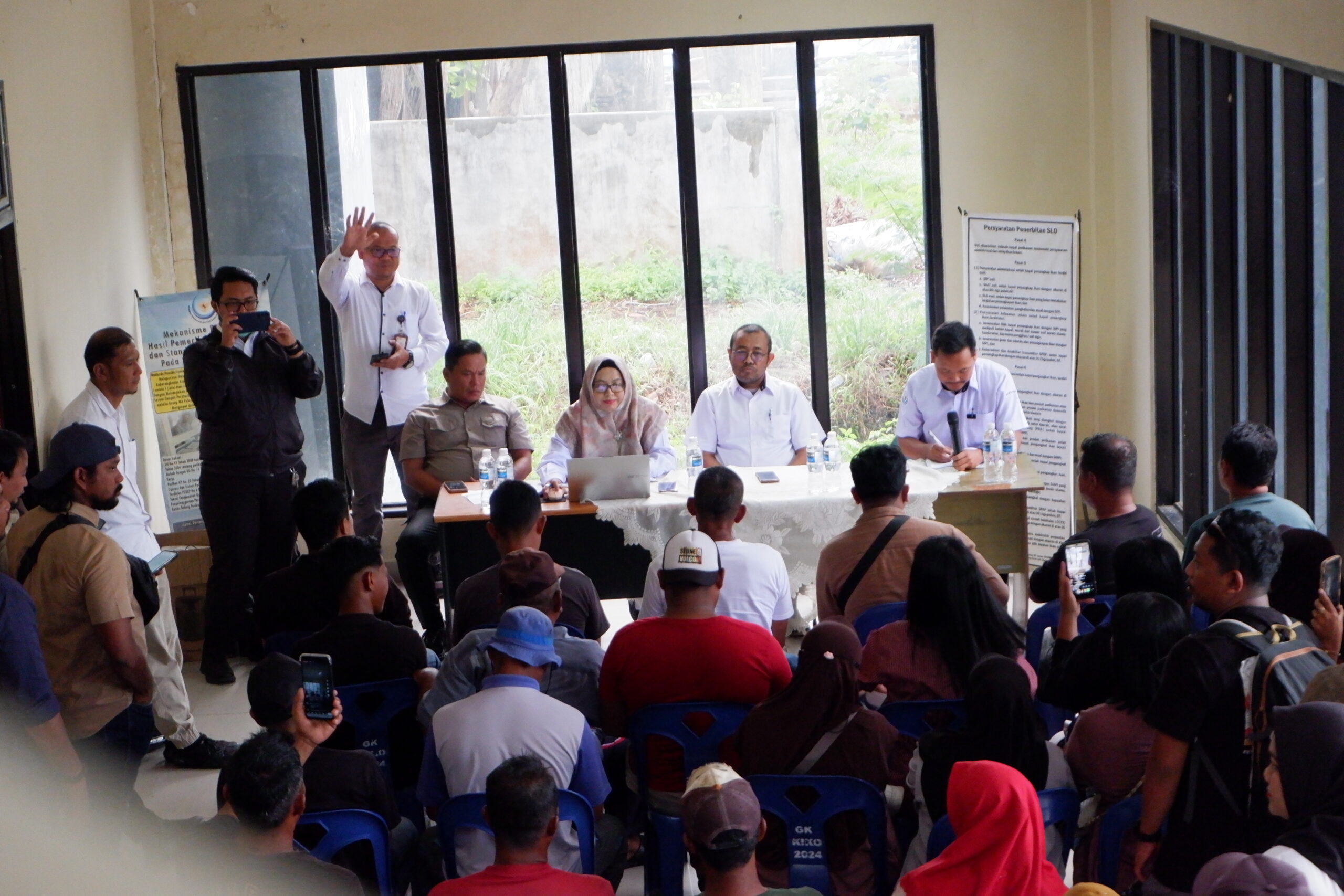
A significant point of contention lies in the legitimacy of the "public consultations" conducted by the mining companies. While village officials claim these meetings were inclusive and representative, local fishers tell a different story.
"They only invited their own people," claims Rudi. "A few token fishermen were present, but the bulk of the attendees were PKK (Family Welfare Movement) members or rubber plantation workers—people who do not rely on the sea for their daily survival."
Herry Yudo Santoso, the Head of Numbing Village, disputes these claims, asserting that all necessary stakeholders were invited. "It is simply not possible to invite every single resident," he defended. However, this defense has done little to soothe the growing resentment.
Data discrepancies further highlight the disconnect. Village authorities maintain that only a small fraction of the population opposes the project—approximately 13 families. In contrast, independent surveys conducted by the fishers suggest widespread resistance. Edy, a local fisherman, points to his own neighborhood: "In my RT (neighborhood unit) alone, we have collected 50 household signatures of those who firmly oppose this project. We have the data and the family cards to prove it."
The Economic Reality: Livelihood vs. Compensation
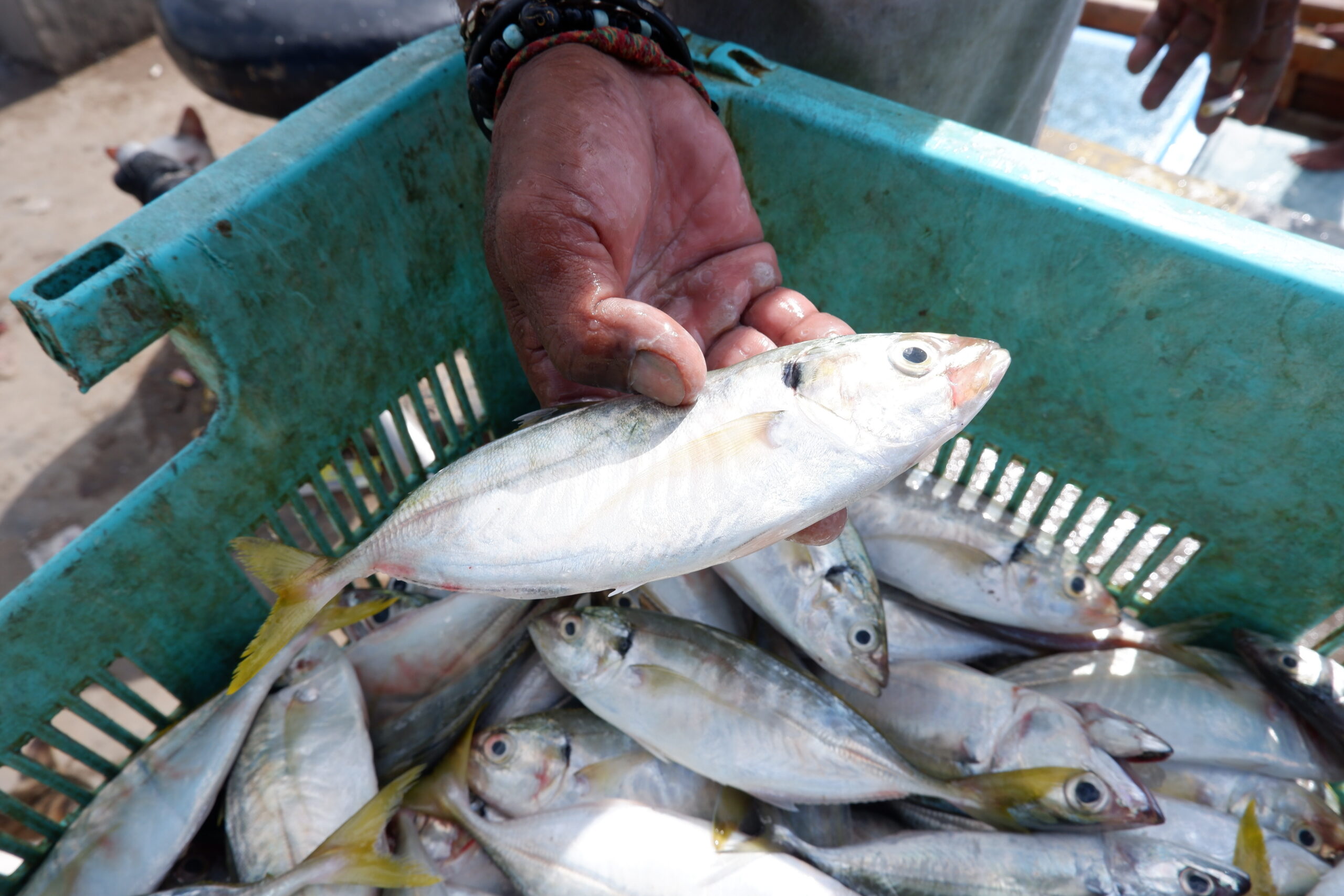
For fishermen like Edy, the sea is not just a resource; it is a legacy that pays for his children’s education. A successful day at sea can yield a monthly income of IDR 4 to 8 million, a vital sum in the regional economy.
"I am terrified that if they mine this area, the ecosystem will collapse," Edy says. "We’ve seen it before in Batam. The water turns murky, the fish disappear, and we are forced to travel further and further out just to find a catch. It’s unsustainable."
Conversely, proponents of the project—led by individuals like Safirudin (Epi) and Tarjulin (Len)—argue that the mining offers a rare opportunity for economic relief. They point to the promise of a monthly compensation package: IDR 2 million per month for fishing families and IDR 1 million for non-fishing households. With 13 companies involved, supporters argue this could inject billions into the local economy.
"Initially, I was against it," admits Epi, who claims to be the head of the local fishermen’s group. "But after attending the consultations, we saw the benefits. If we have 13 companies, the combined support, including CSR programs for fishing equipment and aquaculture, could be a lifeline. It’s a cooperative model."
However, this "cooperative model" currently exists only in verbal promises. There is no written, legally binding agreement between the mining firms and the community. Furthermore, while six companies have completed their Environmental Impact Analysis (AMDAL) processes, seven others remain in various stages of administrative limbo, leaving the community in a state of suspended animation.
Scientific Skepticism and Environmental Risks
Beyond the social friction, environmental experts and activists warn that the long-term ecological cost of sand mining far outweighs any short-term cash injection.
Susan Herawati, Secretary-General of the People’s Coalition for Fisheries Justice (KIARA), highlights the physical dangers of extraction. "Sea sand acts as a natural barrier against currents and waves," she explains. "There is no technology that can replicate that. When you remove the sand, you cause seabed subsidence, which leads to land sinking and exacerbates coastal erosion."
Herawati also draws parallels to the disastrous reclamations in Semarang and other parts of Indonesia. "We are seeing a trend where ‘sedimentation management’ is used as a legal loophole to supply sand for massive land reclamation projects elsewhere. The damage isn’t just local; it changes the entire hydrodynamic pattern of the region. Once the coral reefs are buried in silt and the fish habitats are destroyed, they don’t come back."
Ahmad Fauzi of the Legal Studies and Assistance Institute (LsBH) adds that the "compensation" strategy is a classic tactic used by extractive industries to fracture local resistance. "Kompensasi is often used to pacify a segment of the population, effectively turning neighbor against neighbor. It’s a classic divide-and-conquer strategy that leaves the community weaker once the companies finish their work and leave."
The Path Forward: A Divided Future
The situation in Pulau Numbing serves as a microcosm for a broader struggle playing out across Indonesia’s archipelago: the tension between industrial development and the preservation of traditional livelihoods.
For the village leadership, the goal is to play the role of the mediator. "We must ensure the companies uphold their CSR commitments and strictly adhere to the environmental safeguards outlined in their permits," says Village Head Herry Yudo Santoso. "We trust that the government has conducted the necessary studies."
However, for the fishing community, the trust is already broken. The prospect of an uncertain future—where they are forced to compete with dredging ships and navigate a degraded sea—weighs heavily on their minds.
As the government continues to weigh the economic potential of the 13 mining projects, the people of Numbing remain locked in a tense standoff. Whether the promises of development will manifest as prosperity or whether the warnings of environmental collapse will come to fruition remains to be seen. What is certain, however, is that the social landscape of the island has been irrevocably altered. The tides in Bintan are shifting, and for many of its residents, the future looks increasingly turbulent.
Summary of Key Issues:
- Economic Impact: Proponents cite potential monthly compensation of up to IDR 13 million per household, while opponents argue this will never replace the long-term, sustainable value of a healthy fishery.
- Transparency: Allegations of exclusionary public consultations have fueled distrust between the villagers and the village administration.
- Environmental Danger: Experts warn that removing sea sand causes irreversible damage to coastal protection, leading to erosion, loss of biodiversity, and altered ocean currents.
- Social Conflict: The influx of corporate interest has created a "horizontal conflict," turning family members and neighbors against one another based on their stance toward the mining.