Stemming the Tide: Indonesia’s New Task Force and the Future of the Lobster Industry
Introduction: A Strategic Pivot in Maritime Governance
On October 12, 2026, the Indonesian government officially launched the Task Force for the Eradication of Illegal Benih Bening Lobster (BBL) exports—commonly known as the Satgas P2BBL. Tasked with curbing the rampant smuggling of clear lobster larvae, the formation of this body represents a pivotal shift in how the nation manages its marine resources. For years, the illicit trade of BBL has bled the economy, drained natural stocks, and stifled the growth of a domestic aquaculture industry that has long struggled to compete with regional neighbors.
The launch, held in Jakarta, signals a high-level commitment from the administration to reclaim control over the lucrative lobster trade. However, as the government moves to tighten its grip on the borders, experts are warning that enforcement alone is insufficient. Without a fundamental transformation in how Indonesia approaches aquaculture, the country risks repeating the mistakes of the past, potentially sacrificing long-term economic prosperity for short-term gains in border security.
Chronology and Context: The Roots of the Crisis
The saga of Indonesia’s lobster trade is characterized by a persistent tug-of-war between illegal export networks and national policy. The nation possesses an enormous natural advantage, with an estimated potential of 465.8 million lobster larvae available per year across the Nusa Tenggara, southern Java, and Sumatran coasts. Despite this, the country has remained a primary supplier of raw materials to Vietnam—the undisputed leader in lobster grow-out technology and market access.
For over a decade, regulations have fluctuated between total export bans and periods of limited legalization, causing significant instability for local fishers. The current regulatory framework, anchored by the Minister of Marine Affairs and Fisheries (KKP) Regulation Number 5 of 2026, sought to tighten controls, yet the emergence of the Satgas P2BBL under Presidential Decree No. 69 of 2026 underscores that existing measures have failed to halt the flow of larvae out of the country.
The task force, a cross-ministerial effort involving the Coordinating Ministry for Political and Security Affairs and the Coordinating Ministry for Food, is designed to be more aggressive than its predecessors. It aims to act not merely as a coast guard, but as an intelligence-driven body capable of dismantling the criminal syndicates that facilitate the transfer of millions of larvae to Vietnam and other markets.
Supporting Data: The Economics of the Lobster Pipeline
To understand the urgency behind the Satgas P2BBL, one must look at the staggering price disparity within the illicit supply chain. Irzal Effendi, a prominent aquaculture expert from the Department of Aquatic Resources at IPB University, highlights the disparity between the price of raw BBL and the value of a mature, market-ready lobster.
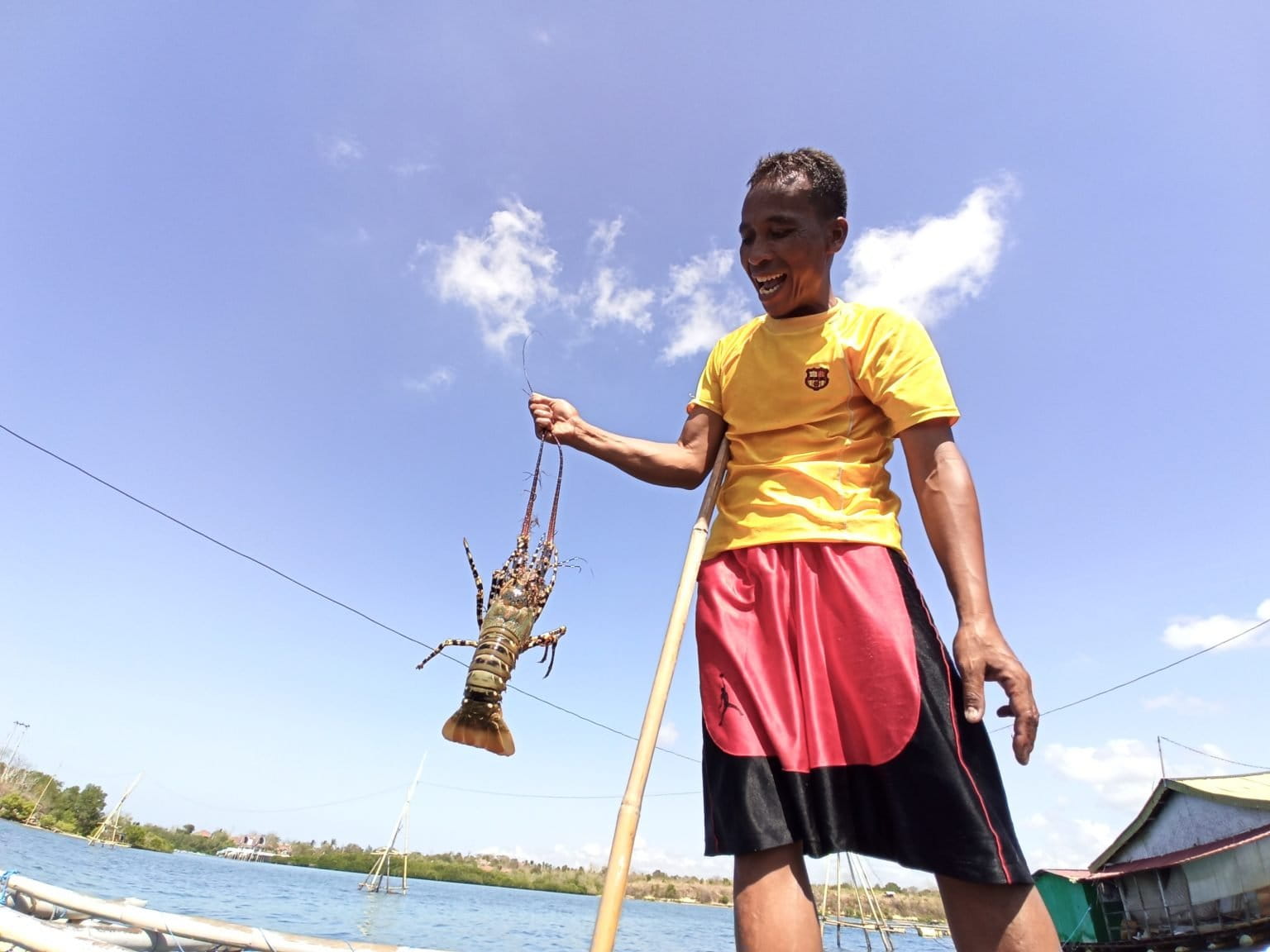
While a single BBL might be sold by a local Indonesian fisher for as little as Rp8,500, that same larva, once matured in a Vietnamese farm, can command prices exceeding Rp100,000 per individual upon reaching the consumption market. This massive markup—often captured entirely by foreign entities—represents an enormous "value-add" loss for Indonesia.
The economic cost is not theoretical. According to Coordinating Minister for Food, Zulkifli Hasan, Indonesia loses an estimated Rp40 trillion annually due to the inefficiency and illegal nature of the current lobster trade. This figure encompasses lost tax revenue, the erosion of the local aquaculture sector, and the long-term depletion of wild stocks that are harvested at a rate that may exceed natural replenishment.
Expert Perspectives: Beyond the Handcuffs
While the government focuses on interdiction, the academic community, led by figures like Irzal Effendi, argues that the problem is rooted in three fundamental failures: an over-reliance on the Vietnam-driven export market, a significant lag in domestic aquaculture technology, and a lack of scientific understanding regarding lobster spawning grounds and stock health.
The Fallacy of Enforcement
"If the task force only focuses on physical interdiction at the ports, they are destined to fail," Effendi argues. "Smugglers are highly adaptive. When one route is closed, they immediately shift to another. The priority must be to identify and dismantle the masterminds—the networks that organize the financing, the logistics, and the international buyers."
Effendi emphasizes that the focus must move upstream. Monitoring must occur at the point of capture in Indonesia and, equally importantly, at the point of arrival in Vietnam. Without international cooperation and transparency in the supply chain, the flow of BBL will continue to move through the cracks of maritime law.
The "Fisheries-Based Aquaculture" Solution
A key criticism of the current policy is the neglect of the "nursery" sector. Rather than simply banning the trade, experts propose a transition to fisheries-based aquaculture. By encouraging local fishers to raise BBL into "dederan" (nursery) stage lobsters (10–30 grams), Indonesia could capture a larger portion of the value chain.

"The current regulation requires nurseries to raise lobsters to 50 grams or more, which is often commercially unviable for small-scale fishers," Effendi explains. "Revising the standard to 30 grams would make it far more accessible for local communities, allowing them to sell a higher-value product while still satisfying the demands of the international market."
Official Responses: The Government’s Stance
Minister of Marine Affairs and Fisheries, Sakti Wahyu Trenggono, has positioned the Satgas P2BBL as a tool for economic sovereignty. During the launch, he emphasized that the task force is not just about punishment, but about creating an environment where the domestic industry can flourish.
"The task force is a vital component in our effort to build a competitive national lobster aquaculture industry," Trenggono stated. "Our goal is to ensure that the wealth generated by these resources stays within Indonesia, ultimately improving the welfare of our local fishing communities."
Coordinating Minister for Political and Security Affairs, Dudung Abdurachman, echoed this sentiment, framing the smuggling as a matter of national security. "The illegal export of BBL is not just a petty crime; it is an erosion of our economic potential," he said. "We are committed to breaking the entire chain of command behind these smuggling operations."
However, the government faces a delicate balancing act. There is a growing concern among local fishers that the fear of the Satgas is causing them to abandon the legal, albeit limited, trade. This "chilling effect" has made it difficult for legitimate researchers and businesses to access BBL, leading to price instability and a stagnation in industry development.
Implications: A Path Forward
The path to a successful lobster industry in Indonesia is fraught with complexity. The government’s move to form the Satgas P2BBL is a necessary step toward order, but it is insufficient to achieve long-term prosperity. To truly compete with the regional powerhouses like Vietnam, Indonesia must prioritize several key areas:

- Technological and Infrastructural Investment: Vietnam’s success is not just about access to larvae; it is about superior feed, advanced aquaculture equipment, and efficient supply chains. Indonesia must invest in its own R&D to bridge this gap.
- Regulatory Flexibility: The government should reconsider its rigid size requirements for nursery operations. A more pragmatic approach, such as the 30-gram threshold proposed by experts, would incentivize local farmers to engage in the business rather than resorting to the black market.
- Human Capital Development: The industry requires a skilled workforce. Training local fishers in sustainable aquaculture practices—moving them from mere gatherers of wild seeds to skilled producers of market-ready lobsters—is essential for long-term sustainability.
- Scientific Integrity: Decisions regarding quotas and environmental limits must be based on rigorous data. As Effendi noted, the presence of BBL on a beach does not guarantee a healthy, self-sustaining population, as many larvae are carried by ocean currents from elsewhere.
Conclusion: The Test of Political Will
The establishment of the Satgas P2BBL marks a bold chapter in Indonesia’s attempt to manage its marine wealth. The rhetoric from the government is clear: the era of unchecked smuggling is over. Yet, the history of the lobster industry in Indonesia has been one of high-level policy mandates that often crumble under the weight of market realities.
The true test of the Satgas will not be the number of arrests it makes at the port, but whether it can successfully foster an environment where legal, local, and sustainable aquaculture becomes more profitable than the illicit trade. If the government can align its enforcement strategies with a supportive, science-based economic policy, it may finally be able to turn the tide, ensuring that the vast potential of Indonesia’s lobster stocks benefits the nation’s people rather than fueling the prosperity of its neighbors.
The task is gargantuan, the opposition is well-funded, and the time for meaningful action is now. Whether the Satgas P2BBL acts as the catalyst for a new, prosperous industry or merely a temporary barrier to trade remains to be seen. However, one thing is certain: the future of Indonesia’s marine economy depends on it.