Beyond the Scrapes: How Playful First Aid is Transforming Pediatric Wound Care and Parental Peace of Mind
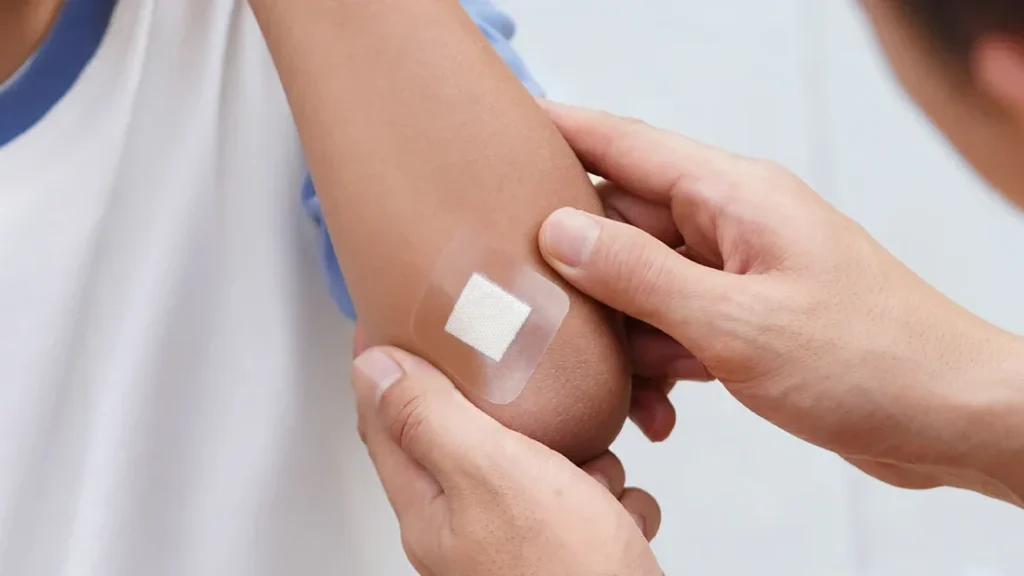
JAKARTA — Childhood is an innate journey of boundless exploration, energetic play, and inevitable physical minor mishaps. Whether children are racing bicycles down suburban avenues, scaling backyard jungle gyms, or enthusiastically tumbling across living room carpets, scrapes, scratches, and abrasions are an inescapable part of growing up. While these minor injuries are typically superficial, they present a persistent challenge for parents: balancing the necessity of proper medical care with the emotional turbulence of treating a frightened child.
However, a significant shift in pediatric first aid is redefining how families manage these everyday incidents. By blending functional medical protection with engaging visual design, modern healthcare brands are transforming a traditionally tear-filled ordeal into a comforting, stress-free experience. At the forefront of this movement is Hansaplast, which has introduced character-themed wound plasters designed to alleviate pediatric anxiety while ensuring optimal wound healing.
Main Facts: The Clinical Necessity of Proper Wound Management
To understand the value of playful medical interventions, one must first examine the fundamental medical principles governing minor pediatric injuries. According to pediatric health experts, children possess delicate skin layers that are particularly susceptible to environmental pathogens. When a child sustains a scrape or abrasion, the skin barrier is compromised, leaving the underlying tissue exposed to dirt, debris, and opportunistic bacteria.
A common misconception among parents is that minor scratches heal faster when left open to "breathe" in the fresh air. Medical science, however, strongly refutes this notion. Clinical studies consistently demonstrate that moist wound healing environments significantly accelerate tissue regeneration and reduce scarring.
Why Covering Scrapes Matters:
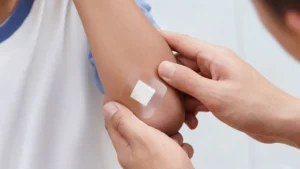
- Barrier Protection: A properly applied adhesive bandage acts as a physical shield against airborne dust, sweat, and harmful bacteria.
- Moisture Retention: Keeping a wound covered prevents the drying out of newly formed epidermal cells, allowing them to migrate and close the wound bed more efficiently.
- Infection Prevention: Sealing the wound minimizes the risk of secondary bacterial infections, which can turn a minor playground scrape into a painful, prolonged medical issue.
Despite these clear clinical benefits, the practical application of first-aid products on children often triggers severe resistance. The sight of antiseptic solutions, gauze, and standard medical tape frequently induces anxiety, leading to tears, resistance, and heightened stress for both the child and the caregiver.
Chronology: The Evolution of Pediatric First Aid
The transition from clinical, sterile medical supplies to child-friendly therapeutic tools did not happen overnight. It represents a steady evolution in consumer healthcare, driven by a deeper understanding of pediatric psychology.
Phase 1: The Era of Clinical Sterility (Mid-to-Late 20th Century)
Historically, first-aid kits in households were utilitarian. Designed primarily for industrial and clinical settings, adhesive bandages were uniformly flesh-toned, white, or transparent. They smelled of clinical adhesive and rubber, signaling pain, clinical intervention, and sickness to a child’s developing mind. Treating a child’s scraped knee often involved a battle of wills, where parents had to physically restrain distressed toddlers to clean and bandage the wound.
Phase 2: The Introduction of Color and Novelty (Late 1990s – Early 2000s)
Recognizing the psychological barrier of clinical aesthetics, healthcare manufacturers began experimenting with basic colors and simple animal motifs. While these early iterations offered minor distractions, the materials were often rigid, poorly adhesive on active children, and lacked the strong emotional connection required to truly calm a distressed child.
Phase 3: The Integration of Entertainment and High-Tech Materials (Present Day)
Today, first-aid innovation intersects with beloved global entertainment franchises. Brands like Hansaplast have partnered with major entertainment conglomerates, most notably Disney, to integrate iconic characters into everyday medical products. Modern character plasters are no longer just printed strips of fabric; they are engineered using hypoallergenic, skin-friendly, breathable materials that cater to sensitive pediatric skin while leveraging the psychological comfort of familiar characters.
Supporting Data: Child Psychology, Pain Perception, and Parental Stress
To appreciate why character-themed bandages are effective, researchers look to pediatric behavioral psychology. Pain in children is subjective and heavily influenced by emotional context, situational anxiety, and visual stimuli.
The Psychology of Distraction
According to pediatric nursing studies, distraction is one of the most effective non-pharmacological methods for managing acute procedural pain in children. When a child’s cognitive focus is diverted from the physical sensation of pain to a familiar, comforting visual stimulus—such as a favorite cartoon character—the brain’s perception of pain is measurably diminished.
- Cognitive Shift: Choosing a bandage featuring Disney Princesses or Mickey and Friends shifts the child’s focus from "I am hurt and scared" to "I get to wear my favorite hero."
- Reduction of Cortisol Levels: Lower anxiety during wound cleaning and dressing correlates with reduced production of cortisol (the stress hormone), which in turn supports a more balanced immune response and faster physical recovery.
- Dermatological Compatibility Data: Modern children’s plasters utilize skin-friendly adhesives that balance strong holding power during active play with painless removal properties. Clinical dermatological tests show that specialized children’s variants minimize allergic contact dermatitis, making them safe for daily use on sensitive skin types.
Official Responses and Expert Insights
Healthcare professionals, child development specialists, and brand representatives have weighed in on the profound impact of integrating emotional comfort into pediatric care.
Dr. Elena Martinez, a prominent Jakarta-based pediatrician specializing in child behavioral health, emphasizes the psychological importance of framing medical care positively at a young age.
"Children form lifelong associations with medical care during their early years. If every scrape is treated with clinical coldness, tears, and force, the child develops an aversion to first aid and healthcare environments in general. Conversely, when we make the process collaborative and fun—allowing them to choose a character bandage—we empower them. They transition from being passive, frightened victims of an accident to active participants in their own healing process."
Meanwhile, representatives from Beiersdorf, the parent company of Hansaplast, highlighted the strategic philosophy behind the Disney-themed product line.
"Our goal has always been to provide reliable, high-quality protection that families can trust," a senior brand spokesperson noted. "However, we recognize that protection is only half the battle when dealing with children. By partnering with Disney to feature globally beloved characters like Mickey Mouse and Disney Princesses, we bridges the gap between medical efficacy and emotional reassurance. We want children to view our plasters not as medical necessities, but as badges of courage."
Retail data from Indonesian pharmacies and supermarkets supports this perspective, showing a steady surge in household demand for specialized, character-driven healthcare products over traditional, plain bandages.
Implications: Transforming Household Health and Parenting Dynamics
The widespread adoption of playful, character-driven first-aid supplies carries far-reaching implications for modern parenting, family well-being, and the broader consumer healthcare market.
1. Alleviating Parental Burnout
Parenting in the digital age comes with unique stressors. Everyday minor emergencies, such as a child crying inconsolably over a bleeding knee, add to cumulative parental fatigue. By streamlining the wound-care process and eliminating the drama of applying bandages, products like Hansaplast’s Disney edition reduce household tension. Parents can execute first-aid protocols quickly, cleanly, and calmly, restoring domestic tranquility within minutes.
2. Fostering Early Independence and Resilience
When children are encouraged to pick out their own bandages and participate in cleaning and covering their scrapes, they learn valuable lessons about self-care and resilience. The visual appeal of the bandage transforms a moment of trauma into a badge of pride. Children proudly display their colorful plasters to peers, reframing a minor injury as a testament to their active, adventurous lifestyles.
3. Raising Industry Standards for Consumer Healthcare
The success of emotionally resonant medical products sets a new benchmark for the pharmaceutical and consumer goods industries. Manufacturers can no longer rely solely on functional utility; they must consider the holistic user experience, emotional design, and psychological impact of their products—even in categories as traditionally austere as wound care.
Conclusion
Minor scrapes and scratches will always be an inevitable byproduct of a vibrant childhood. However, the emotional burden associated with treating these injuries is rapidly becoming a relic of the past. Through the thoughtful integration of child psychology, dermatological safety, and beloved cultural icons like Disney’s timeless characters, brands are reshaping pediatric first aid.
By turning medical supplies into sources of comfort and joy, parents are better equipped to protect their children—not just from physical infections, but from the fear and anxiety of everyday mishaps. Keeping a stock of specialized, character-themed plasters in the household medicine cabinet is no longer merely a clever parenting hack; it is an essential strategy for fostering healthier, happier, and more resilient children.