The Silent Guardian of the Island: Tracking the Endangered Javan Leopard in Nusakambangan
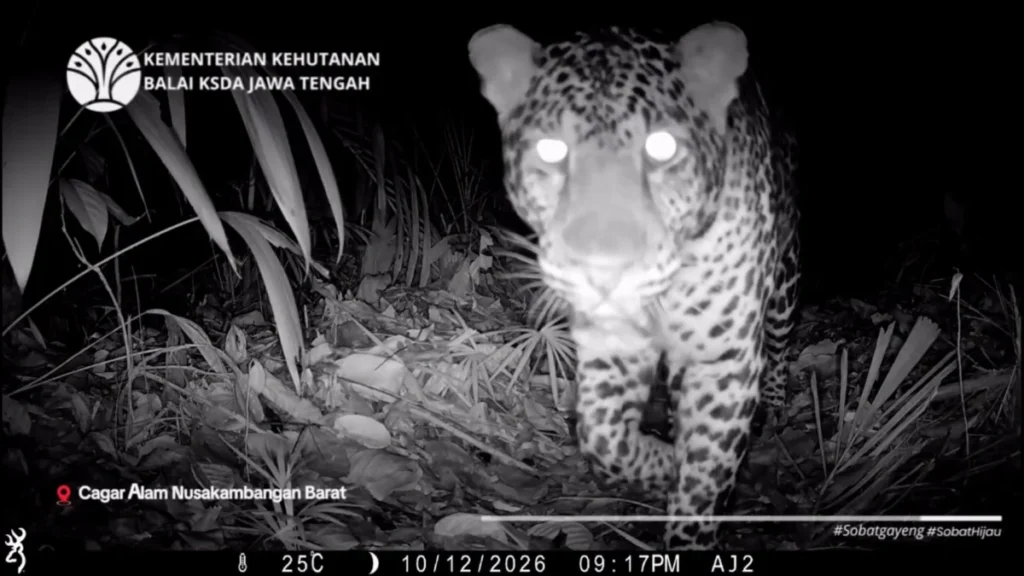
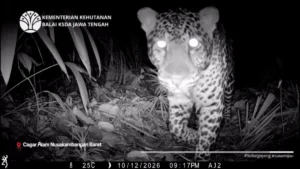
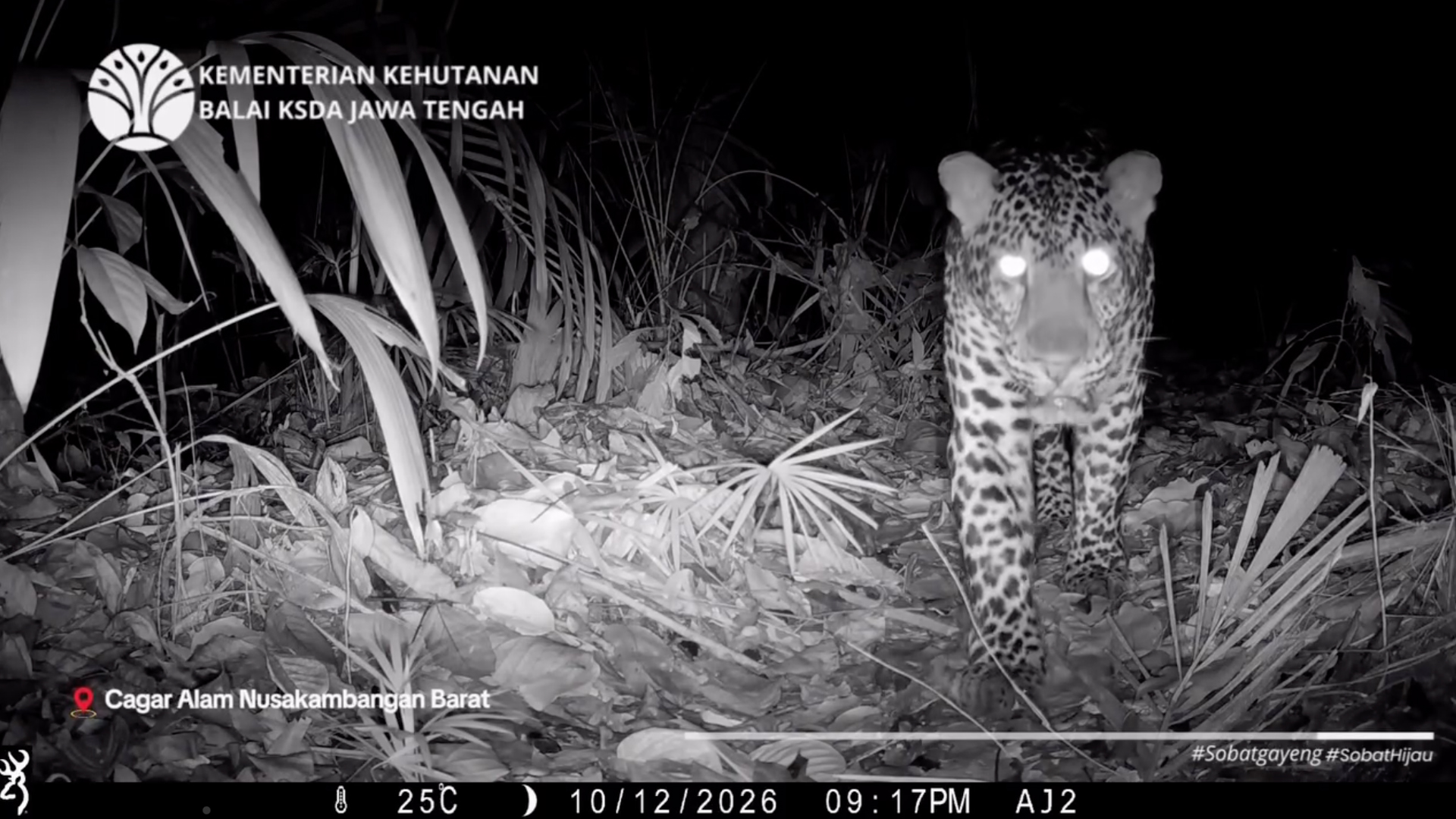
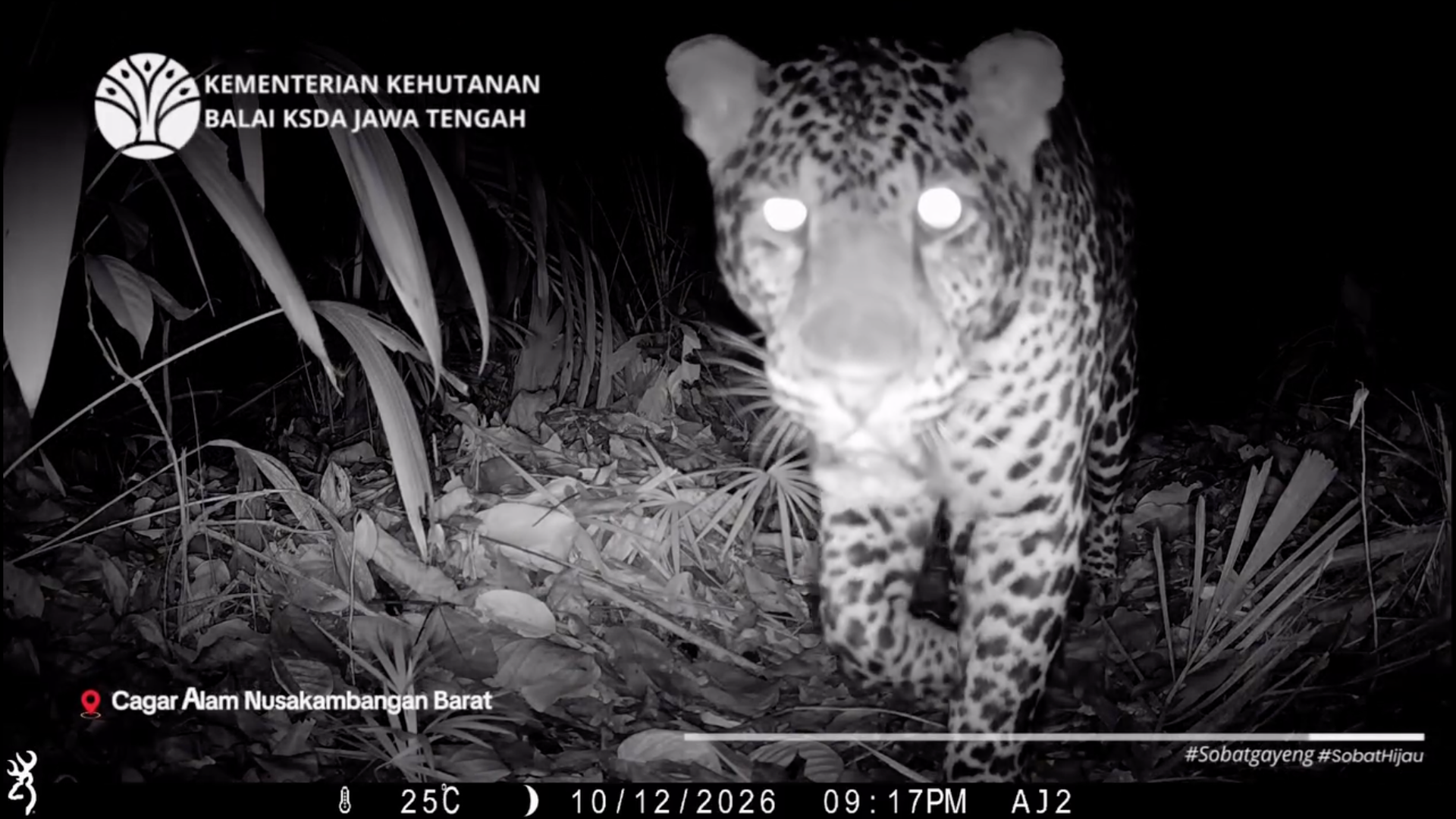
CILACAP, Indonesia – In the dense, secluded jungles of the Nusakambangan Barat Nature Reserve, a ghost moves through the underbrush. On October 12, 2026, at 21:17 WIB, the silent, spotted predator—the Javan leopard (Panthera pardus melas)—was captured on a camera trap, confirming the continued existence of this apex predator in one of Indonesia’s most unique, albeit isolated, conservation landscapes.
The sighting is a flicker of hope for conservationists, but it also serves as a stark reminder of the complexities involved in protecting a species classified as "Endangered" by the IUCN and listed under Appendix I of CITES.
Main Facts: A Glimpse into the Shadow
The Javan leopard, a sub-species endemic to the island of Java, remains one of the most elusive big cats in the world. The recent footage from Nusakambangan Barat shows a solitary male leopard, identified through the unique spot patterns that distinguish individual cats.

Wahyono Restanto, Head of the Cilacap Natural Resources Conservation Resort (KSDA), confirmed that the discovery was part of a broader surveillance initiative. "We deployed six camera traps throughout the reserve to monitor wildlife presence. Three of these units successfully captured the same male individual," Restanto stated during a briefing on October 22.
Beyond the visual evidence, field teams identified physical traces of the leopard across four distinct observation trails, including scat and territorial claw marks on tree trunks. While the footage confirms the cat’s presence, the exact population size remains a subject of professional debate. Current estimates fluctuate around 20 individuals based on older data, though authorities emphasize that a comprehensive, updated census is urgently required to replace these aging figures.
Chronology of Conservation Efforts
The history of protection for Nusakambangan dates back nearly a century. Established as a nature reserve under the Dutch East Indies administration—specifically via the Governor General’s Decree No. 34 on June 4, 1937—the island has long been recognized for its biological significance. Its status was later reinforced by the Ministry of Forestry in 2004 and further solidified in 2014, delineating 656.06 hectares as the Nusakambangan Barat Nature Reserve.

The 2026 sighting is not an isolated event but a continuation of long-term monitoring. Significant research was conducted between July and November 2020 by Budi Santoso and Wahyono Restanto, focusing on the Eastern portion of the island. That study, published in the Al-Hayat: Journal of Biology and Applied Biology, yielded 97 video recordings of various fauna, with six confirming the presence of leopards.
These past efforts, combined with the most recent surveillance, suggest that while leopards are successfully breeding and maintaining territories on the island, the population density remains sparse and highly sensitive to external pressures.
Supporting Data: Biodiversity and Habitat Integrity
The monitoring program in Nusakambangan goes far beyond tracking leopards. Using "SMART Patrol" protocols, rangers have surveyed 120 hectares of the reserve across 372 observation points. The data collected reveals a thriving, if fragile, ecosystem.
Fauna Diversity
The island serves as a vital refuge for a variety of mammals, including the Javan lutung (Trachypithecus auratus), long-tailed macaques, palm civets, and otters. Bird life is particularly abundant, with researchers documenting the golden-crested hornbill, the Javan banded pitta, and the red junglefowl. To capture a more complete picture of the island’s biodiversity, the KSDA has implemented sophisticated bioacoustic sensors to record avian vocalizations and mist nets for bat population studies.
Flora and Endemic Vegetation
The habitat itself is as rare as the animals it supports. The Nusakambangan forest is home to critical endemic species, including the Heritiera percoriacea (cerelang laut), Dipterocarpus littoralis (plalar Nusakambangan), and Sindora javanica (sindur). These trees provide the structural complexity necessary for the leopard to hunt, rest, and hide.
The Ecological Imperative: Expert Analysis
Aswi Andriasari Rofiqoh, an expert in Animal Ecology at the Faculty of Biology, Universitas Jenderal Soedirman (Unsoed), argues that the leopard is not merely a resident of the island but the heartbeat of its ecological balance.
"As an apex predator, the Javan leopard regulates the population of prey species such as wild boar, muntjac, and various primates," Dr. Rofiqoh explained. "Without the leopard, the herbivore population could spiral, leading to overgrazing and the degradation of the island’s unique botanical landscape."
Dr. Rofiqoh warns that the "isolated" nature of the island is a double-edged sword. While its separation from the main island of Java protects it from large-scale deforestation, it also creates a genetic bottleneck. "We need to understand the population trends—are they increasing, stable, or declining? We cannot rely on estimates from 2017. We need systematic, long-term data collection, including genetic sampling from non-invasive sources like fecal matter."
Official Responses and Future Strategies
The Ministry of Forestry and the BKSDA of Central Java have recognized the need for a more proactive stance. Wahyono Restanto highlighted that community outreach is a central pillar of their current strategy. "We are engaging with local schools, surrounding communities, and partner groups. The goal is to instill a sense of ownership over the island’s wildlife. If the people value the leopard, the chances of illegal hunting or habitat encroachment drop significantly."

However, experts like Dr. Rofiqoh suggest that community outreach must be coupled with rigorous policy integration. She advocates for the inclusion of the Nusakambangan leopard population in the upcoming National Action Plan for Javan Leopard Conservation (2026–2031).
Recommendations for Enhanced Protection:
- Systematic Camera Trapping: Transitioning from opportunistic monitoring to a grid-based, systematic survey that allows for reliable density estimation.
- Genetic Monitoring: Utilizing non-invasive sampling to assess the genetic health of the isolated population to prevent inbreeding.
- Enhanced Border Patrols: Strengthening surveillance at coastal access points, which serve as the primary routes for illegal entry by humans.
- Prey Monitoring: A healthy leopard population is dependent on a healthy prey base; thus, the monitoring of wild boar and primate populations must be treated with equal importance.
Implications for Global Conservation
The plight of the Javan leopard in Nusakambangan is a microcosm of the challenges facing apex predators across the tropics. With a global status of "Endangered," every individual counts. The fact that a population persists on this small, historically significant island is a testament to the resilience of the species, but resilience has its limits.
The recent discovery is a call to action. It confirms that the ecosystem is functional, but it also highlights a critical information gap. As Indonesia moves forward with its national conservation strategy, the case of the Nusakambangan leopard serves as a reminder that science, policy, and community participation must work in tandem.
If the Javan leopard is to survive the 21st century, the focus must shift from merely "confirming presence" to "ensuring persistence." This requires consistent funding, the application of modern ecological tools, and a steadfast commitment to maintaining the integrity of one of Java’s last true wild frontiers.
The male leopard caught on camera in the dark of October 2026 is, in many ways, the guardian of Nusakambangan. Whether he remains a ghost in the shadows or the symbol of a thriving, protected ecosystem depends entirely on the actions taken by authorities in the coming years.
References:
- Santoso, B., & Restanto, W. (2021). Monitoring macan tutul Jawa (Panthera pardus melas Cuvier, 1809) dengan kamera trap di Cagar Alam Nusakambangan Timur Kabupaten Cilacap, Provinsi Jawa Tengah. Al-Hayat: Journal of Biology and Applied Biology, 4(1).
- Ministry of Forestry & BKSDA Central Java, Internal Reports 2026.
- IUCN Red List of Threatened Species: Panthera pardus melas.