The Battle for the Normandy: Fans Rally as #SaveMassEffect Gains Unprecedented Momentum
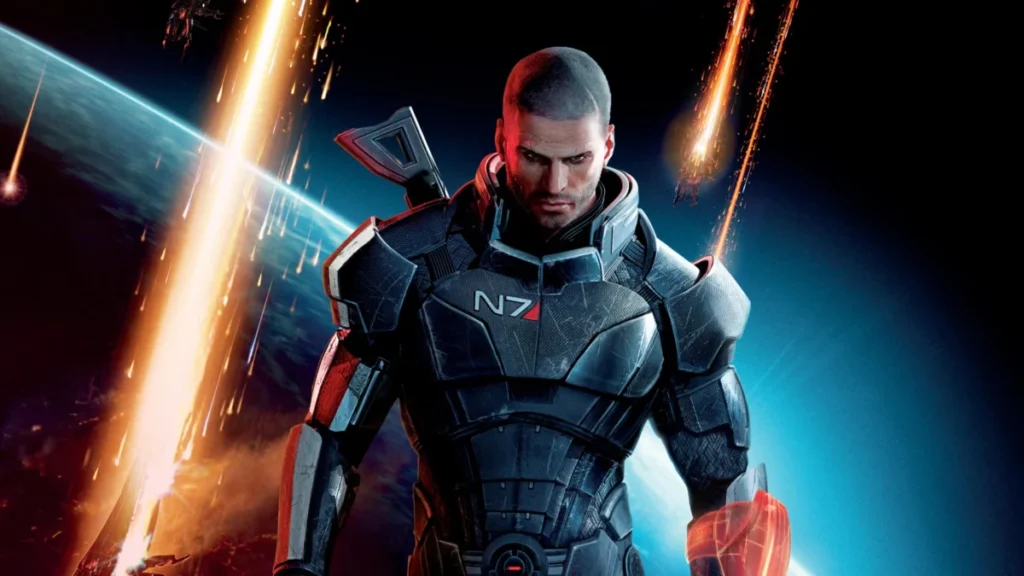
The landscape of the gaming industry has been rocked by one of the most controversial decisions in recent history: the permanent closure of BioWare, the legendary studio responsible for some of the most influential role-playing games ever created. Following Electronic Arts’ (EA) sudden announcement regarding the dissolution of the studio and the subsequent cancellation of the highly anticipated next entry in the Mass Effect franchise, the gaming community has erupted in a massive, coordinated movement.
The campaign, known globally by the hashtag #SaveMassEffect, has transcended mere social media noise, evolving into a formal petition that has surged past the 100,000-signature mark in mere days. This article examines the collapse of a titan, the burning passion of a dedicated fanbase, and the uncertain future of one of science fiction’s most beloved universes.
The Collapse of a Titan: Chronology of the Crisis
To understand the scale of the current outcry, one must look at the rapid-fire succession of events that led to the death of BioWare.
- October 20, 2026: Electronic Arts officially announces the closure of BioWare, citing a restructuring effort and a shift in long-term corporate strategy. The announcement is met with immediate shock, as industry insiders and fans alike struggle to reconcile the studio’s legacy with its sudden demise.
- October 21, 2026: Within hours of the announcement, user Joe Smith launches the #SaveMassEffect petition on Change.org. The petition rapidly gains traction, fueled by nostalgia and anger.
- October 22, 2026: A significant leak occurs. A trailer for a project codenamed Mass Effect: Universe surfaces online. Verified by industry journalist Jason Schreier, the footage—a series of in-engine captures—reveals a sophisticated, spy-thriller narrative featuring familiar faces like Liara T’Soni.
- October 24, 2026: The #SaveMassEffect petition crosses the 100,000-signature threshold, signaling that this is not merely a fringe movement but a widespread demand for accountability and continuity.
The proximity of the trailer leak to the closure announcement served as a catalyst, providing fans with a tantalizing glimpse of "what could have been," effectively turning disappointment into a firestorm of activism.
The Core of the Campaign: Demands and Aspirations
The #SaveMassEffect petition is not a vague plea for sympathy. It presents two clear, actionable pathways for Electronic Arts to address the grievances of its consumer base.
- Direct Investment: The primary demand is for EA to reconsider the project’s cancellation and provide the necessary funding to allow the development to proceed, perhaps by absorbing the existing talent from the now-defunct BioWare into a different internal studio under the EA umbrella.
- Licensing the IP: Recognizing that EA may no longer have an appetite for the project, the petition proposes that the company license the Mass Effect intellectual property (IP) to another reputable studio. Proponents argue that if EA is unwilling to develop the game, they have a moral obligation to the legacy of the franchise to allow another creative team—one with a proven track record in RPGs—to steward the series forward.
These demands underscore a fundamental shift in how modern gamers perceive ownership of narrative experiences. To the community, Mass Effect is not just a product; it is a cultural artifact that belongs as much to the players who shaped its history as it does to the corporation that owns the legal rights.
Why Mass Effect Matters: More Than Just a Game
The emotional resonance of the #SaveMassEffect campaign stems from the unique nature of the series. Unlike static narratives, Mass Effect built its reputation on the "Player Agency" model.

For nearly two decades, the series has defined the gold standard for branching narratives. Through the Mass Effect trilogy and Andromeda, players were not merely observers; they were the architects of a galaxy-spanning history. The decisions made in the first game echoed through to the final moments of the third, creating a personalized connection that few other franchises have ever achieved.
The relationships forged with the crew of the Normandy—from the tactical brilliance of Garrus Vakarian to the stoic wisdom of Liara T’Soni—transformed the game into an emotional journey. When fans demand the return of Mass Effect, they are demanding the continuation of a dialogue between developer and player that they feel has been abruptly silenced.
Implications of the "Universe" Leak
The leaked Mass Effect: Universe trailer has become the symbolic heart of the movement. By confirming that the project was well into the pre-production phase, the leak invalidated the narrative that the project was "unviable."
Jason Schreier’s verification of the footage was a pivotal moment for the community. The trailer, which featured a new protagonist and a tone reminiscent of a high-stakes espionage thriller, suggested that BioWare had found a way to refresh the franchise while staying true to its roots. Seeing these assets in motion created a sense of loss that has galvanized the community, proving that the creative spark for the next chapter was not just alive, but thriving before the studio’s doors were locked.
The Business Reality: Can EA Be Swayed?
Despite the massive surge in signatures, industry analysts remain cautious. Electronic Arts is now a private entity, which provides them with significantly more autonomy from shareholder pressure than they faced as a public company.
Historically, corporations rarely reverse major structural decisions based on petitions. However, the gaming industry is currently experiencing a "reputation crisis." In an era where live-service games are failing and single-player experiences are seeing a massive resurgence in demand, the Mass Effect brand represents a multi-billion dollar asset.
If EA refuses to develop the game, the risk of "IP rot"—where a beloved franchise is left to gather dust—becomes real. The cost of licensing the property to a third-party studio might seem like a secondary revenue stream, but EA has traditionally been protective of its assets. The central question remains: Is there a studio within or outside the EA ecosystem capable of handling the weight of the Mass Effect name?

The Future of the Movement
As the petition marches toward its next milestone of 250,000 signatures, the organizers of #SaveMassEffect are beginning to discuss the next steps, including open letters to EA executives and potential demonstrations at industry events.
The campaign has successfully created a platform where the collective voice of the gaming community cannot be ignored. Even if EA decides to stay the course and keep the project buried, the legacy of this movement will likely influence how major publishers interact with their fans in the future.
Official Responses (Current Status)
As of the time of this writing, Electronic Arts has issued no formal statement regarding the #SaveMassEffect petition. Their silence is being interpreted by the community in two ways: either as a sign of complete indifference or as a sign that the executive team is currently deliberating behind closed doors.
Conclusion: A Legacy Worth Fighting For
The closure of BioWare and the potential end of the Mass Effect saga represents a profound loss for interactive storytelling. Whether or not the #SaveMassEffect movement succeeds in bringing the series back to life, it has undeniably proven one thing: the stories we play are more than just pixels and code. They are part of our shared identity.
For those who have walked the halls of the Normandy and stood on the bridge as Commander Shepard, the fight is far from over. As the signatures continue to climb, the message to EA becomes clearer with every passing day: Mass Effect is not a franchise to be discarded—it is a legacy that deserves a future.
Are you part of the resistance? If you have signed the #SaveMassEffect petition, or if you believe that iconic franchises should be saved when their studios fall, share your thoughts and join the conversation. The galaxy may be quiet for now, but the community’s voice has never been louder.