
The Silicon Crunch: Why 2027 Could Mark the Most Severe Memory Crisis in Tech History
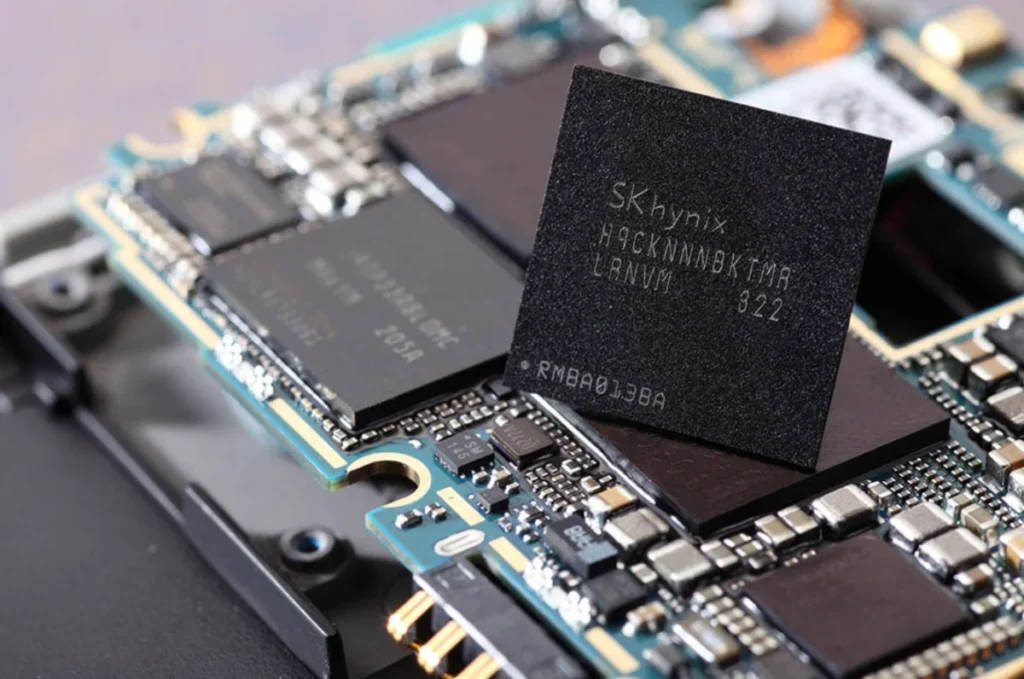
The global semiconductor industry, once driven by the cyclical demands of consumer electronics and the personal computer market, has undergone a seismic structural shift. The meteoric rise of Artificial Intelligence (AI) has not merely disrupted the status quo; it has fundamentally altered the supply chain architecture of the world’s most critical components. According to a grim forecast from the leadership of SK Hynix, one of the world’s foremost DRAM manufacturers, the industry is hurtling toward a supply bottleneck of unprecedented proportions. By 2027, the gap between supply and demand is expected to reach a breaking point, signaling a potential long-term inflation of hardware costs that could hit the gaming community and general consumers hardest.
The Paradigm Shift: AI Supremacy Over Consumer Electronics
Historically, the memory market—dominated by DRAM and NAND flash—moved in sync with the release cycles of gaming consoles, smartphones, and PC hardware. Manufacturers would scale their production based on the anticipated adoption rates of consumer devices. However, the AI revolution has upended this model.
Today, the "brain" of modern AI infrastructure—massive data centers running Large Language Models (LLMs)—requires an insatiable amount of High Bandwidth Memory (HBM). HBM is a specialized, high-performance interface that allows AI accelerators, such as those produced by NVIDIA, to process vast amounts of data at speeds impossible for standard consumer-grade DRAM.
Because HBM offers significantly higher profit margins than conventional memory, companies like SK Hynix, Samsung, and Micron have aggressively pivoted their production lines. Consequently, a massive percentage of silicon wafer capacity that was once reserved for consumer-grade DDR5 RAM or SSD flash storage is being cannibalized to feed the AI beast. This is not a temporary anomaly; it is a fundamental shift in how global silicon capacity is allocated.
Chronology of a Crisis: From Boom to Bottleneck
To understand the severity of the 2027 forecast, one must look at the progression of the current supply landscape:
- 2023–2024 (The Awakening): The generative AI boom took the world by surprise. As companies scrambled to train models, the demand for high-end GPUs skyrocketed. Manufacturers began shifting capacity toward HBM, causing the first ripples of price increases in the consumer SSD and RAM markets.
- 2025–2026 (The Capacity Squeeze): As major semiconductor firms began investing in new fabrication plants (fabs), there was a belief that supply would stabilize. However, construction timelines for state-of-the-art fabs are measured in years, not months. The demand for AI hardware consistently outpaced these facility expansions.
- 2027 (The Projected "Worst Year"): SK Hynix CEO Kwak Noh-jung has explicitly identified 2027 as the year where these structural imbalances will hit their peak. The combination of aging legacy production lines and the extreme focus on HBM will likely result in a historic shortfall for consumer-grade components.
- 2028–2030 (The Long Tail): Projections suggest that the supply-demand imbalance will persist well into the end of the decade, as the AI infrastructure build-out continues to dominate the global semiconductor output.
Supporting Data: The Math Behind the Shortage
The technical data provided by industry analysts paints a sobering picture of the resource allocation battle. Current projections indicate that global wafer production for microprocessors is slated to grow by approximately 12% by 2027. On the surface, this sounds like a healthy expansion. However, the breakdown of that 12% reveals the root of the consumer crisis.
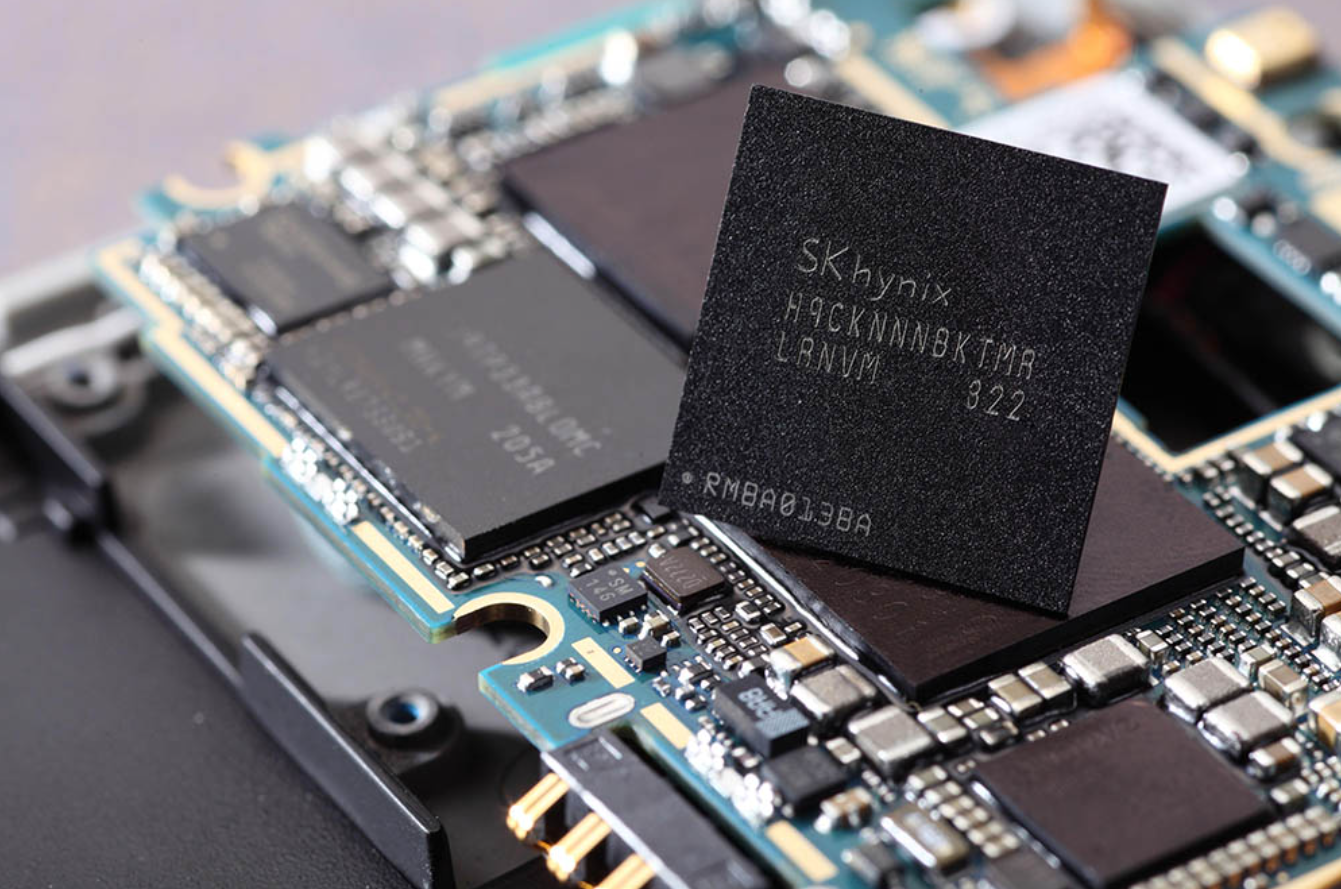
Nearly half of all new wafer capacity is being earmarked exclusively for HBM production. This leaves a fractional increase for traditional DRAM. Analysts estimate that while demand for standard DRAM is projected to surge by roughly 22%, the available capacity growth for non-HBM memory will be stunted at approximately 15%.
This leaves a 7% structural deficit that cannot be filled by existing manufacturing processes. Because HBM requires more complex stacking technologies and higher quality silicon, it is essentially "stealing" the production efficiency that previously kept consumer memory affordable. As long as AI continues to be the most lucrative sector for semiconductor giants, consumer memory will remain a secondary priority, resulting in a permanent upward pressure on prices.
Official Responses and Industry Outlook
The leadership at SK Hynix has been transparent about the bleak reality of the market. CEO Kwak Noh-jung has noted that the company is doing everything in its power to ramp up production, including the massive construction of new "M16" and future-gen fabs. However, there is a physical limit to how quickly these facilities can come online.
Samsung and Micron, the other two pillars of the "Big Three" memory producers, are following similar strategies. They are prioritizing enterprise-grade and AI-focused silicon because the profit margins are orders of magnitude higher than those found in the retail gaming sector. When asked about potential relief for consumers, industry insiders often point to the high cost of capital for new fabs. With the interest rates and the complexity of modern lithography (EUV machines), these companies cannot afford to overproduce memory for a consumer market that is currently less profitable than the enterprise AI market.
Implications for the Gaming and Consumer Tech Sector
The consequences of this supply shift are already manifesting in the marketplace. Gamers have observed a steady, incremental rise in the price of DDR5 RAM modules, high-speed NVMe SSDs, and premium PC components over the last eighteen months. This is no longer just a supply chain hiccup; it is the new floor for hardware pricing.
1. The Console and Handheld Market
Next-generation consoles (PlayStation 6 and the successor to the Xbox Series) rely heavily on high-speed memory to maintain performance. If memory costs remain elevated, manufacturers will face a "cost-to-consumer" dilemma: either release hardware at a loss (which is increasingly unsustainable) or pass the massive bill on to the gamer. We could see the $500 console price point become a relic of the past, with entry-level gaming devices potentially breaching the $600 or $700 barrier.

2. The PC Gaming Renaissance at Risk
For PC gamers, the cost of building a high-end rig is increasingly dominated by the price of storage and memory. As HBM-driven shortages push NAND and DRAM prices higher, the barrier to entry for high-fidelity gaming will rise. This risks a cooling effect on the PC gaming industry, as the "cost per frame" increases significantly.
3. The "AI Tax"
Ultimately, every consumer is essentially paying an "AI Tax." Because the world’s computing resources are being redirected to build the future of AI, the consumer market is being forced to subsidize this transition through higher retail prices.
Conclusion: Preparing for a Costlier Future
The warning from SK Hynix should be taken as a definitive signal: the era of cheap, abundant memory is effectively over for the foreseeable future. While technological innovation continues to march forward, the physical limitations of semiconductor manufacturing have created a zero-sum game between AI progress and consumer affordability.
For the gaming community, the lesson is clear. Those looking to upgrade their hardware or invest in future consoles should understand that we are entering a period of prolonged scarcity and price volatility. Whether or not the industry finds a way to balance this output remains to be seen, but as of now, 2027 stands as a daunting milestone in the history of global tech—a year where the digital future is built on the backs of an increasingly expensive silicon supply.