
Beyond the Mist: 7 Refreshing Highland Escapes for the Discerning Traveler
For many travelers, the ultimate vacation isn’t found on a sun-drenched beach, but rather in the crisp, invigorating air of the highlands. Kota Batu in East Java has long held the title as the premier "cold-weather" destination in Indonesia, drawing millions with its combination of rolling hills, lush apple orchards, and a climate that offers a welcome respite from the tropical heat.
However, as tourism patterns evolve and travelers seek more secluded, tranquil, and unique experiences, the allure of the high-altitude escape has expanded far beyond the well-trodden paths of Batu. Modern highland tourism has undergone a metamorphosis: no longer just a place to shiver in a sweater, these destinations have evolved into sophisticated hubs featuring eco-friendly glamping, architectural marvels in the form of cliffside cafés, and expansive tea plantations that soothe the soul.
As of July 2026, we have curated a list of seven exceptional highland alternatives that promise the same bone-chilling refreshment as Kota Batu, yet offer distinct cultural and natural identities.
1. Malang: The Cultural Heart of the Highlands
Often overshadowed by its neighbor, Kota Batu, the city of Malang stands as a vibrant cultural anchor in East Java. While Batu offers the thrill of theme parks, Malang provides the depth of history and urban charm. The city is a unique blend of Dutch colonial architecture, bustling local markets, and a burgeoning creative scene.
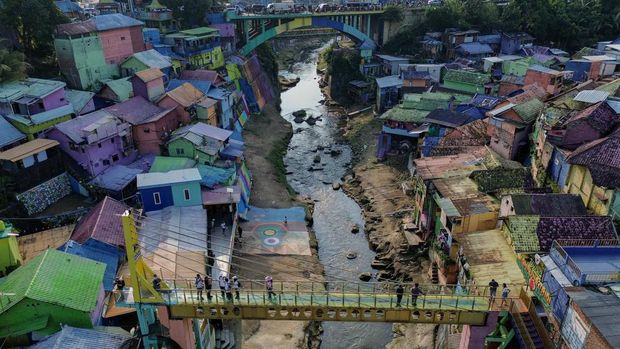
The Experience: Visitors can spend their mornings exploring the vibrant Kampung Warna-Warni (Jodipan Colorful Village), a testament to community-led revitalization, before heading to the city’s historic center to enjoy a hot cup of locally sourced coffee in colonial-era buildings. The combination of cool mountain air and rich cultural heritage makes Malang an ideal destination for families and solo travelers alike.
2. Lembang: The Premier Mountain Sanctuary
Situated in the northern part of Bandung, West Java, Lembang remains the undisputed favorite for residents of the Greater Jakarta area. Its accessibility, paired with an endless array of tourist facilities, makes it a perennial top choice.
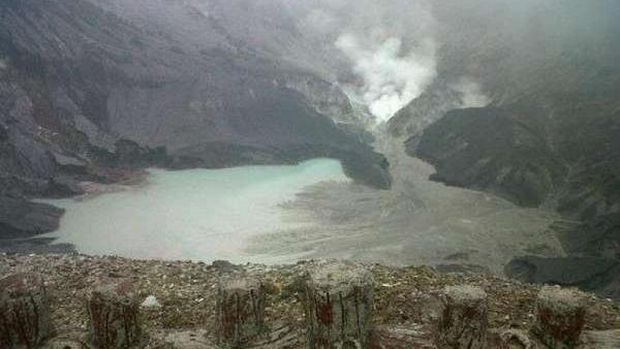
The Experience: Lembang is home to the iconic Tangkuban Parahu, a volcano that allows visitors to witness the raw power of nature up close. Beyond the crater, the region has pivoted toward family-oriented luxury, with massive botanical gardens, floating markets, and sprawling flower farms. Whether you are seeking a high-end resort experience or a rustic cabin stay, Lembang provides a seamless transition from urban chaos to mountain serenity.
3. Ciwidey and Pangalengan: Nature’s Untouched Canvas
For those who prefer their mountain air with a side of untamed wilderness, the southern regions of Bandung—Ciwidey and Pangalengan—are essential visits. These areas are characterized by their vast tea plantations, which create a surreal, emerald-green horizon.
The Experience: Ranca Upas is perhaps the most famous highlight, known for its deer sanctuary where visitors can interact with free-roaming wildlife amidst the mist. The morning temperatures here can drop significantly, making it the perfect setting for a campfire night under the stars. The region is increasingly becoming a hotspot for adventure tourism, including off-road jeep tours and trekking through misty pine forests.
4. Dieng Plateau: The "Abode of the Gods"
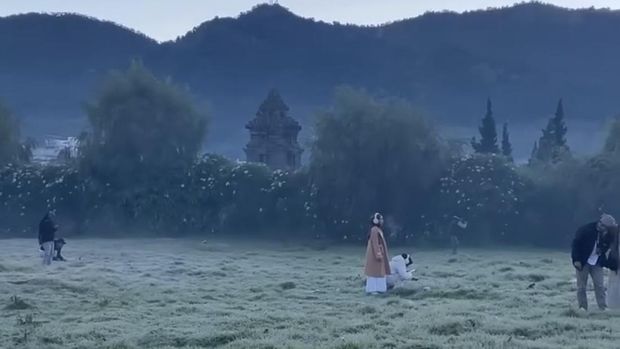
Located in Central Java, the Dieng Plateau is a geological wonder that feels as though it belongs in another world. Sitting at a high altitude, this region is famous for its ancient Hindu temples that emerge from the morning fog, lending the area a mystical, ethereal quality.
The Experience: Dieng is best known for the "Embun Upas" (frost) phenomenon, which occurs during the peak of the dry season when temperatures plummet to sub-zero levels. Witnessing the landscape turn white with frost is a bucket-list experience for many Indonesians. It is a destination for the contemplative traveler—those who value the silence of ancient stones and the majesty of sunrise views above the clouds.
5. Tawangmangu: The Gateway to Mount Lawu
Perched on the western slopes of Mount Lawu in Central Java, Tawangmangu offers a more traditional highland experience. The area is dominated by the sound of rushing water and the scent of damp earth and pine.
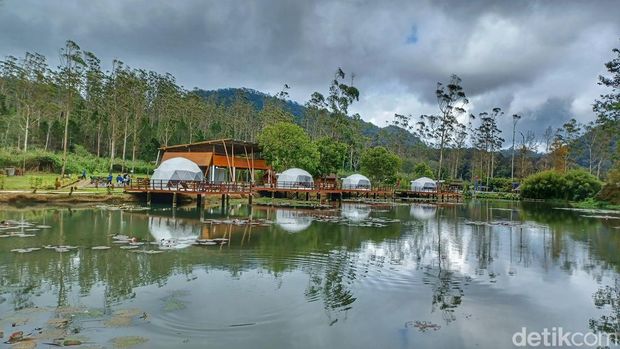
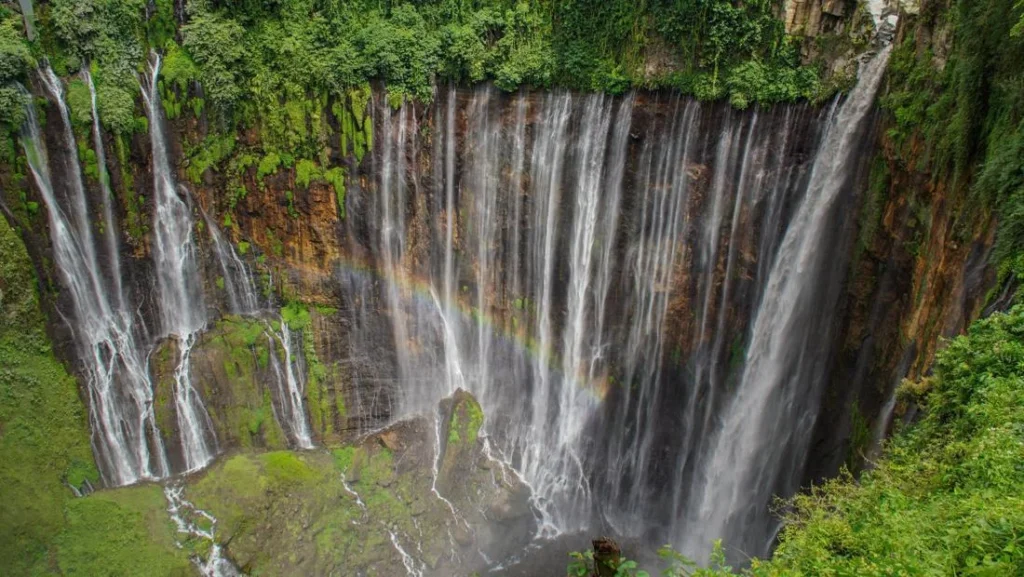
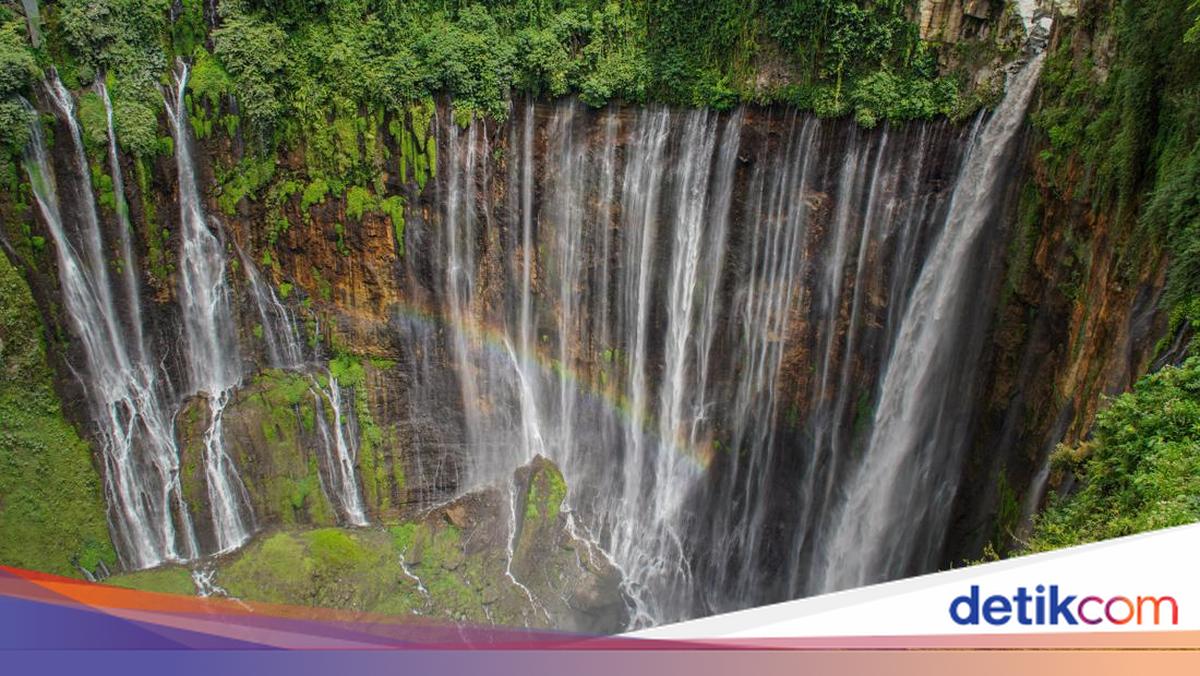
The Experience: The star attraction is the Grojogan Sewu waterfall, a majestic cascade that requires a trek down hundreds of steps. While the physical exertion is significant, the reward is an intimate connection with one of Java’s most beautiful natural sites. Recent efforts by local authorities to manage tourist facilities have aimed to ensure that the area remains safe, clean, and free from the inconveniences of unorganized tourism, making it a reliable destination for nature lovers.
6. Trawas: The Emerging Rival
Trawas, located in Mojokerto, East Java, has recently emerged as the strongest challenger to Kota Batu’s dominance. Nestled at the foot of Mount Arjuno and Mount Welirang, Trawas has captured the imagination of the younger generation through its viral social media presence.
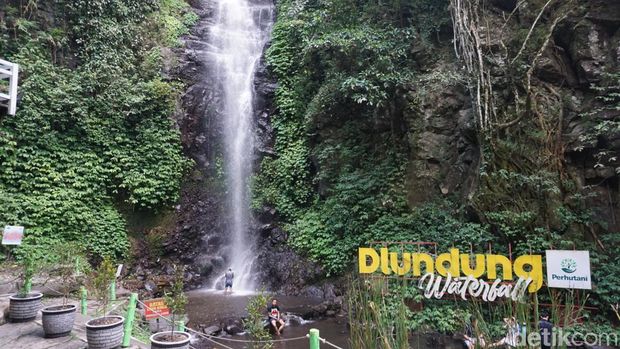
The Experience: The current trend in Trawas is "cafe hopping." Entrepreneurs have capitalized on the stunning terraced rice paddies and pine forest views to build architectural marvels that serve world-class coffee. Whether you are looking for a photogenic spot overlooking Mount Penanggungan or a quiet retreat near the Dlundung Waterfall, Trawas offers a modern, chic, and incredibly fresh atmosphere.
7. Selo: The Sunrise Capital
For the adventurous, Selo in Boyolali, Central Java, is the ultimate highland destination. Situated in the "saddle" between the towering Mount Merapi and Mount Merbabu, Selo offers a landscape that is both dramatic and intimidatingly beautiful.
The Experience: Selo is increasingly recognized as a "sunrise destination." You do not need to be a professional mountaineer to enjoy the "above the clouds" experience here; many viewpoints are accessible via short hikes or local transport. As the local government continues to develop Selo into a sustainable tourism village, it stands as a prime example of how community-led initiatives can protect the environment while welcoming visitors to enjoy the pristine, biting cold of the high altitudes.
Supporting Data: Why Highlands Are Trending
The shift toward highland tourism is not merely a preference for cool weather; it is a response to the growing desire for "slow travel." Data suggests that travelers are increasingly moving away from high-intensity city tours in favor of destinations that offer:
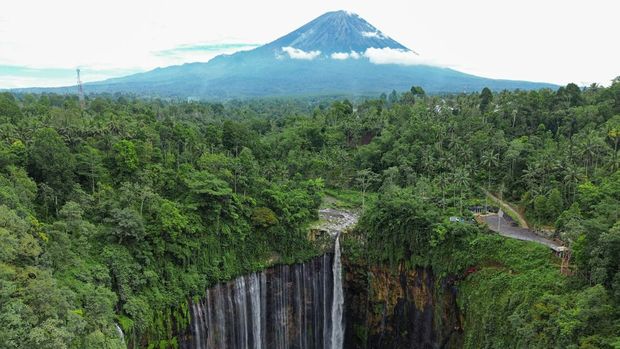
- Aesthetic Appeal: The rise of Instagram and TikTok has made visual, nature-integrated architecture (such as cliffside cafés) a primary driver for tourism.
- Climate Adaptation: As global temperatures rise, the appeal of high-altitude regions where natural air conditioning is guaranteed becomes a significant psychological and physical draw.
- Accessibility: Improved infrastructure, including better road access to remote villages like Selo and Trawas, has opened up previously inaccessible areas to the average family vehicle.
Official Responses and Future Implications
Government officials and local tourism boards have recognized this shift, with many regions now prioritizing "Sustainable Highland Tourism." In locations like Grojogan Sewu, temporary closures have been implemented to reset management systems, curb illegal levies, and enhance safety—a necessary step to ensure that the influx of tourists does not degrade the very beauty they come to see.
The implication for the future is clear: the highland tourism market is becoming more segmented and professional. As Kota Batu continues to serve as the benchmark for mass-market highland tourism, the seven destinations listed above offer unique alternatives that cater to specific niches—from the historical seeker in Malang to the adventure-driven traveler in Selo.
As we look toward the latter half of the decade, the success of these destinations will depend on a delicate balance: providing the modern facilities that travelers demand while preserving the raw, misty, and quiet character that makes the highlands such a vital sanctuary for the soul.
Whether you choose the frost-kissed plains of Dieng or the aesthetic pine forests of Trawas, the Indonesian highlands remain a testament to the country’s diverse natural beauty, offering a cool breath of air for anyone ready to leave the heat of the lowlands behind.