Beyond the Trash Can: The Rise, Reality, and Responsibilities of Eco Enzyme in Modern Waste Management
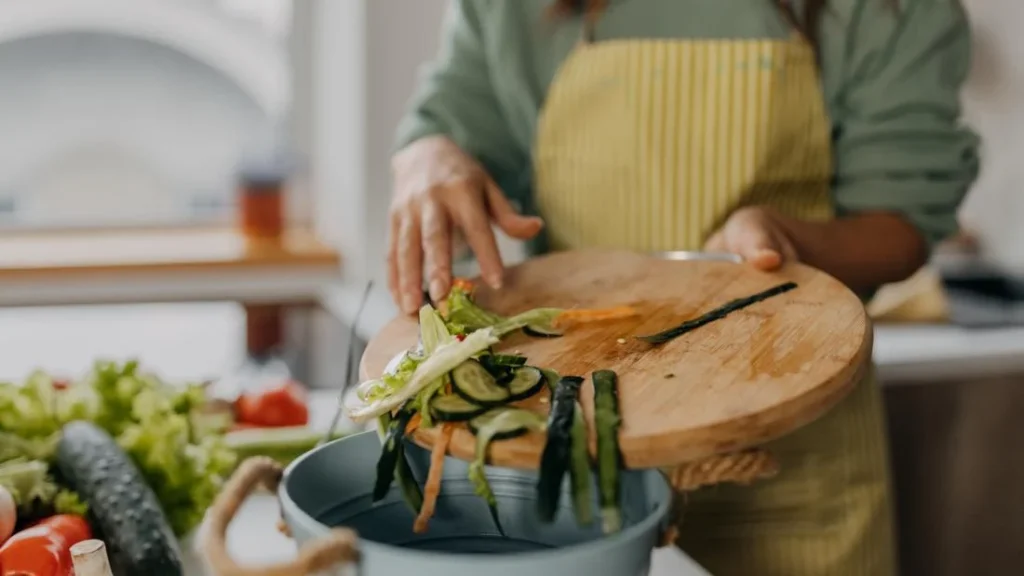
JAKARTA — Every day, millions of households discard vegetable peels, fruit rinds, and leftover kitchen scraps, sending massive volumes of organic waste straight to local landfills. As metropolitan areas worldwide grapple with overflowing waste sites and mounting greenhouse gas emissions, grassroots environmental movements have long sought alternative solutions. Among the most popular and rapidly spreading DIY initiatives in Southeast Asia is a simple amber-hued liquid known as eco enzyme.
Hailed by its proponents as a miraculous multi-purpose solution, eco enzyme transforms everyday kitchen scraps into a potent fermented liquid. From household cleaning to plant fertilization, its claimed applications are vast. However, as the movement grows beyond tight-knit environmental communities into the mainstream, scientists and public health advocates are urging a more critical look at what this liquid can—and cannot—do.
Main Facts: What is Eco Enzyme and How Is It Made?
At its core, eco enzyme is a popularized term for a liquid produced through the anaerobic fermentation of fresh organic waste—specifically fruit peels and vegetable scraps—combined with sugar (or molasses) and water.
While commercial cleaning agents often rely on synthetic surfactants and chemical solvents, eco enzyme represents a low-cost, decentralized attempt to harness natural biochemical processes. The standard formula, widely disseminated by zero-waste communities across the globe, relies on a strict ratio: 1 part sugar to 3 parts organic fruit/vegetable waste, and 10 parts water.
Standard Eco Enzyme Ratio:
[ 1 Part Sugar ] : [ 3 Parts Organic Scraps ] : [ 10 Parts Water ]
The ingredients are combined in a sealed, airtight plastic container and left to ferment for a minimum of three months, or approximately 90 days. During this period, complex biochemical reactions take place. Microorganisms, primarily yeast and bacteria naturally present on the surface of the fruit and vegetables, break down the carbohydrates and sugars.
As the fermentation progresses, the mixture undergoes continuous transformation. Gases—predominantly carbon dioxide—are naturally produced as a byproduct. Because of this, anyone producing eco enzyme must "burp" the container periodically during the first few weeks to release internal pressure, preventing the vessel from bloating, cracking, or exploding.
Once the 90-day cycle concludes, the solid organic residue is strained out, leaving behind a dark brown, acidic liquid with a pungent, vinegar-like aroma. This final product is the eco enzyme.
Chronology: From "Garbage Enzyme" to a Global Grassroots Movement
To understand the current popularity of eco enzyme, one must look back at its origins and the journey it has taken from a localized agricultural proposal to a viral household practice.
The Inception (Early 2000s)
Long before it was rebranded with the sleek, modern moniker "eco enzyme," the liquid was introduced to the world as garbage enzyme. The term was coined by Dr. Rosukon Poompanvong, the founder of the Organic Agriculture Association of Thailand.
Dr. Rosukon dedicated decades of her life to researching enzymes and alternative agriculture. Her primary motivation was environmental: she sought a practical, accessible method for farmers and rural communities to manage agricultural and kitchen waste without relying on expensive commercial inputs. By introducing garbage enzyme, she aimed to improve soil quality, purify polluted waterways, and reduce the reliance on chemical fertilizers and pesticides.
Regional Spread through Grassroots Networks
Throughout the 2010s, the concept spread organically across Thailand, Malaysia, Singapore, Indonesia, and other parts of Southeast Asia. Environmental NGOs, community-led neighborhood associations, and zero-waste advocates embraced the methodology, finding it exceptionally well-suited for urban households with limited space for traditional composting.
Workshops demonstrating the 1:3:10 formula became staples in community centers. The movement gained significant traction on social media platforms, where home cooks and DIY enthusiasts shared success stories, aesthetic photos of amber jars, and personal tips for masking the sharp vinegar scent with citrus peels.
The Modern Mainstream and Digital Virality
In recent years, the movement has experienced a resurgence fueled by short-form video platforms and heightened public awareness regarding climate change and plastic pollution. Rebranded as "eco enzyme," the practice shed some of its rough-around-the-edges connotations as a "garbage" byproduct and was reframed as a chic, sustainable lifestyle choice. Today, thousands of urban households brew batches on their balconies or under kitchen sinks, creating a decentralized network of micro-producers.
Supporting Data: Composition, Chemistry, and Environmental Context
While proponents attribute almost magical properties to eco enzyme, empirical scientific data provides a clearer picture of its actual chemical makeup and limitations.
Chemical Profile
Laboratory analyses of mature eco enzyme solutions typically reveal a low pH, often ranging between 3.5 and 4.0. This high acidity is primarily driven by organic acids—such as acetic acid (vinegar) and lactic acid—produced during the bacterial and yeast fermentation of sugars.
Furthermore, the liquid contains various active microbial enzymes (such as proteases, amylases, and lipases) derived from both the fruit tissues and the metabolic activities of the fermenting microbes. These enzymes are theoretically capable of breaking down proteins, starches, and fats, which explains why practitioners find it effective for cutting through light grease and organic residue on household surfaces.
Comparative Waste Management Context
From a macro-perspective, how does eco enzyme stack up against other organic waste management strategies?
| Method | Space Requirement | Timeframe | Primary Output | Complexity |
|---|---|---|---|---|
| Eco Enzyme | Low (Apartment-friendly) | 3 Months | Liquid cleaner / Plant tonic | Moderate (Requires gas management) |
| Traditional Composting | Medium to High | 1–3 Months | Solid soil conditioner | Moderate to High (Requires aeration) |
| Vermicomposting | Low to Medium | 2–4 Months | Nutrient-rich castings | Medium (Requires live worms) |
| Food Waste Disposer | None (Plumbing integrated) | Immediate | Wastewater slurry | Low (High energy/water use) |
Environmental scientists note that while eco enzyme successfully diverts a fraction of household fruit and vegetable scraps from municipal waste streams, it is not a silver bullet. It only processes specific types of organic waste—primarily citrus peels, apple cores, and vegetable trimmings. It cannot process cooked food, meat, dairy, or bones, meaning households must still rely on complementary waste management strategies.
Official Responses and Expert Perspectives: Weighing Claims Against Evidence
As the commercialization and promotion of eco enzyme grow, public health authorities, environmental scientists, and agricultural experts have stepped in to provide balanced assessments of its utility, warning against unchecked claims.
The Cleaning and Agricultural Utility
Agricultural researchers generally support the use of diluted eco enzyme as a soil amendment or plant growth promoter under controlled conditions. The acidic nature and microbial presence can help balance alkaline soils and stimulate beneficial microbial activity in the rhizosphere.
Similarly, for household cleaning—such as wiping down tables, mopping floors, or washing dishes—diluted eco enzyme acts as a mild surfactant and deodorizer, largely due to its acidity and the presence of natural citrus oils (if citrus peels were used in the brew).
Public Health Warnings and Medical Boundaries
The most significant friction between grassroots eco enzyme communities and scientific authorities lies in health-related claims.
During periods of high health anxiety, unverified claims have circulated online suggesting that eco enzyme can be used to treat skin infections, disinfect wounds, cure chronic illnesses, or act as a hand sanitizer on par with medical-grade alcohol.
Medical professionals and regulatory bodies have forcefully pushed back against these assertions. Dermatologists and microbiologists emphasize that:
- Unregulated Fermentation: Because eco enzyme is brewed at home without sterile laboratory controls, the liquid can harbor opportunistic bacteria or mold strains alongside beneficial microbes. Applying it to open wounds, eczema flare-ups, or acne-prone skin carries a genuine risk of secondary infection or allergic contact dermatitis.
- Lack of Standardization: The chemical concentration of a homemade batch varies wildly depending on the specific fruits used, local temperatures, water quality, and fermentation duration. It cannot be reliably dosed or standardized like pharmaceutical products.
- Not a Disinfectant: While eco enzyme can remove dirt and grease, it lacks the broad-spectrum antimicrobial efficacy required to kill dangerous pathogens like Escherichia coli, Salmonella, or viral agents. It should never be relied upon as a substitute for certified disinfectants in clinical or high-risk hygiene settings.
"Eco enzyme is an engaging and useful tool for domestic waste diversion, but we must draw a hard line between cleaning a kitchen floor and treating a medical condition," notes an environmental health researcher based in Jakarta. "When we stretch environmental DIY projects into unproven medical cures, we cross into dangerous territory."
Implications: The Future of Eco Enzyme in Sustainable Living
The enduring popularity of eco enzyme highlights a profound cultural shift: urban citizens are increasingly eager to take personal responsibility for their ecological footprint. Even in densely populated concrete jungles where traditional farming is impossible, the humble plastic jar bubbling under the sink represents a tangible connection to closed-loop sustainability.
However, the future of the eco enzyme movement depends heavily on nuance and education.
1. Managing Expectations
Proponents and community leaders must transition from exaggerated, miracle-cure rhetoric to a more grounded, scientifically honest framing. Eco enzyme should be celebrated for what it genuinely is: a low-cost, decentralized method for diverting fruit and vegetable waste into a mild household cleaning adjunct and soil conditioner.
2. Integration into Holistic Waste Hierarchies
Environmental planners emphasize that eco enzyme should be viewed as one tool among many within a comprehensive zero-waste framework. It cannot replace systemic municipal waste sorting, nor should it overshadow other vital practices such as reducing overall food waste at the source, practicing traditional composting, and separating recyclables.
3. Safety and Quality Control
As educational workshops continue to scale across communities, standardizing safety guidelines—such as emphasizing proper container selection to avoid explosions, stressing appropriate dilution ratios for plants and skin contact, and discouraging medical applications—will be vital to protecting public safety.
Ultimately, eco enzyme serves as a powerful symbol of grassroots ingenuity. By transforming what was once dismissed as garbage into a functional household asset, millions of individuals are proving that sustainability can start right in the kitchen. As long as enthusiasm is tempered with scientific realism and safety consciousness, the amber liquid will retain its valuable place in the modern ecological toolkit.