Global Crisis, Local Struggle: The Fight for Systemic Change in the Asia-Pacific

YOGYAKARTA – As the climate crisis intensifies and geopolitical tensions threaten the stability of the global south, a powerful movement for fundamental systemic change has emerged from the heart of Indonesia. From October 17–21, 2026, the Asia Pacific System Change Convergence 2026 brought together hundreds of activists, indigenous leaders, scholars, and grassroots organizers in Yogyakarta to confront what they describe as the intertwined crises of ecological collapse, social inequality, and unchecked militarism.
The summit, organized by Friends of the Earth Asia Pacific (FoE Asia Pacific) in collaboration with Wahana Lingkungan Hidup Indonesia (WALHI/FoE Indonesia), served as a critical platform for those most affected by industrial extraction. Over five days, the assembly moved beyond mere policy advocacy, calling for a complete restructuring of the global economic order.
The Core Mandate: Challenging the Extractivist Model
The convergence was more than a conference; it was a gathering of resistance. With participants arriving from as far as Palestine, Malaysia, Pakistan, Nepal, South Korea, and even delegations from Africa, North America, and Europe, the message was unified: the current model of development, which treats both nature and human populations as mere objects for profit, is failing.
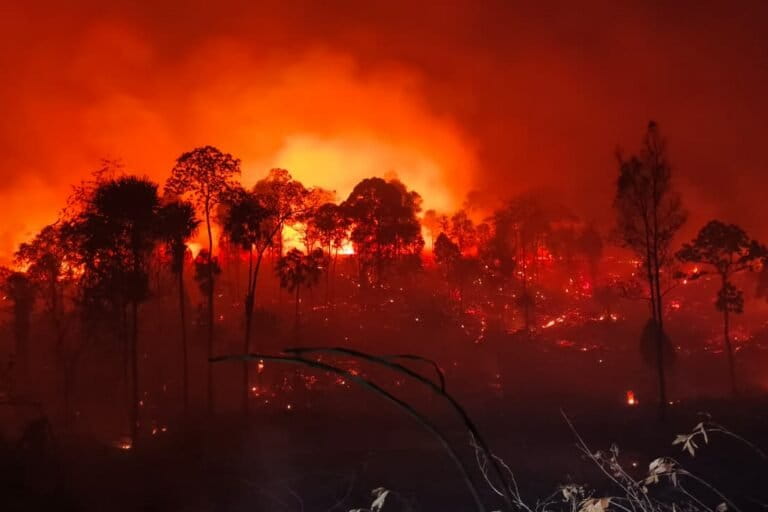
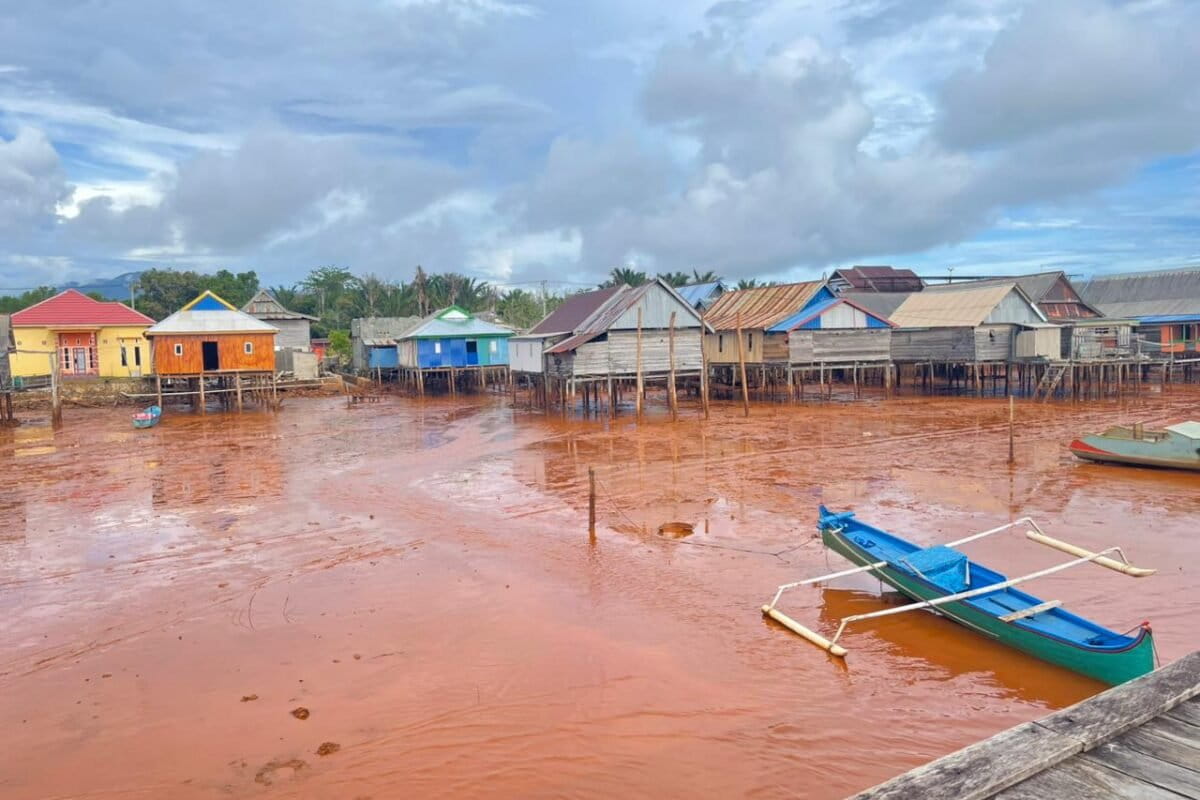
Dana Prima Tarigan, Head of Strategic Communication and Networking at WALHI, set the tone for the assembly by emphasizing that the crises facing the Asia-Pacific are not isolated incidents. "The crises we face—be it forest fires in Kalimantan or nickel contamination in Kabaena—are rooted in a developmental model that prioritizes capital accumulation over the survival of the planet and its people," Tarigan stated.
The movement proposes a pivot toward a future anchored in ecological justice, popular sovereignty, international solidarity, and the fundamental rights of marginalized communities. According to the participants, systemic change is only achievable through organized, collective power that places human rights and environmental integrity at the center of governance.
Chronology of the Struggle: A Week of Mobilization
The five-day summit was structured to bridge the gap between academic research and lived experience. The chronology of the event reflected a deep dive into the systemic failures of the modern era:

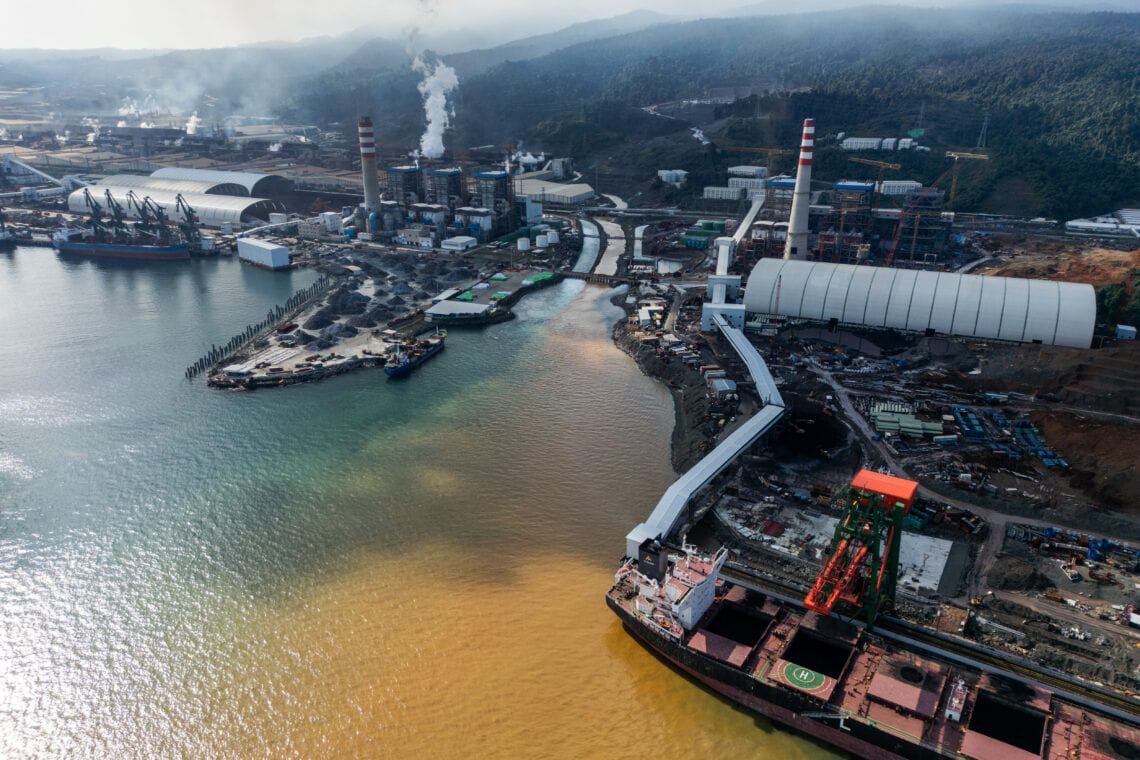
- Days 1-2: Identifying the Roots of Extraction. Participants analyzed the expansion of extractive industries—ranging from nickel mining in Sulawesi to the degradation of the Kars Gunung Sewu landscape. Discussions highlighted how industrial tourism and waste-to-energy projects (PLTSa) are often pushed forward at the expense of local communities and the environment.
- Days 3-4: The Climate Debt and Energy Justice. International delegates, particularly from Nepal, presented the "Climate Debt" framework. They argued that countries in the Global South, which contribute the least to greenhouse gas emissions, are suffering the most severe consequences. The conversation shifted to a critique of "false climate solutions," including carbon markets and nuclear energy, which participants condemned as tools for corporate greenwashing.
- Day 5: The Yogyakarta Declaration. The summit concluded with the signing of a comprehensive declaration that linked the fight for climate justice with the broader struggle against colonialism and militarism.
Forest Fires as "Ecocide": The Human and Ecological Cost
A major focal point of the convergence was the recurring crisis of forest and land fires (karhutla) in Indonesia. Participants argued that these disasters should no longer be categorized as mere "natural events." Instead, they identified these fires as acts of ecocide—systemic crimes born from the collusion between state authorities and powerful corporations.
Umi Marufah, a Forest and Plantation Campaigner at WALHI, issued a stern warning regarding the transboundary nature of this destruction. "These fires are not just local tragedies; they produce toxic haze that impacts millions across Southeast Asia. This is a massive, structural environmental crime," Marufah asserted.
Meena Raman, President of Sahabat Alam Malaysia (SAM), underscored the need for regional accountability. She criticized governments for their failure to regulate corporations that exploit land, leading to environmental degradation that knows no borders. "We are challenging our governments," Raman noted. "How can they allow companies to accelerate this crisis? It is a failure to protect the very people they are meant to serve."
Voices from the Frontlines: From Pulau Pari to Sangihe
The summit was anchored by the testimony of those currently embroiled in legal and physical battles against corporate giants.
- The Pulau Pari Case: Residents of Pulau Pari shared their ongoing legal struggle against a global cement conglomerate in Swiss courts. They are holding the corporation accountable for its contribution to climate change, which has led to rising sea levels threatening their island home.
- The Sangihe Resistance: Activists from Sangihe detailed their fight against gold mining operations that threaten the ecological stability of their region. These stories served as a reminder that the global climate movement is composed of thousands of localized, often dangerous, battles for sovereignty.
The Intersectionality of Justice: Linking Climate and Conflict
Perhaps the most defining aspect of the 2026 convergence was the explicit connection drawn between climate change and global militarism. Rachita Gupta, coordinator of the Global Demand Climate Justice (GDCJ), argued that one cannot demand climate justice while ignoring the systemic violence of war.
"There is no climate justice without the liberation of Palestine," Gupta stated during the plenary. The declaration explicitly called for an end to the genocide in Gaza, the liberation of the Palestinian people, and solidarity with those resisting military dictatorships in Myanmar and fighting for self-determination in West Papua.

The logic is clear: the same structures—colonialism, imperialist dominance, and the prioritization of profit—that fuel the climate crisis are the same forces that drive militarism and land dispossession globally.
Official Responses and Implications
While the summit was a civil society initiative, its implications for regional policy are profound. The participants demanded several fundamental shifts:
- Rights-Based Governance: Indigenous and local communities must be treated as the primary stakeholders in environmental management. Their "Free, Prior, and Informed Consent" (FPIC) must be legally binding.
- Recognition of "Climate Debt": The summit rejected the notion that developing nations should rely on loans for climate adaptation. Instead, they demanded that industrialized nations pay for their historical emissions through direct, unconditional public funding.
- The "Blue Justice" Framework: In response to the growing trend of "Blue Economy" projects, which often lead to the displacement of small-scale fishers, the assembly proposed a new framework that places traditional coastal communities at the heart of marine resource governance.
- Rejection of False Solutions: The movement formally rejected carbon trading, geoengineering, and corporate-led "green" initiatives that allow major polluters to continue business-as-usual while claiming to be "net-zero."
Conclusion: A Call to Organized Power
The Asia Pacific System Change Convergence 2026 has successfully shifted the narrative from asking for "better regulation" to demanding a "different system." By weaving together the disparate threads of environmental protection, social justice, anti-colonialism, and economic sovereignty, the assembly has created a roadmap for a global movement.
As Dana Prima Tarigan concluded, the path forward is through "the power of organized people." The gathering in Yogyakarta serves as a stark warning to both states and corporations: the era of passive observation is over. The communities of the Asia-Pacific, in solidarity with the world, are now demanding an accounting for every acre of forest lost, every community displaced, and every right violated.
The movement is no longer just asking for a seat at the table; they are preparing to build a new one—one where the earth and its people are no longer the casualties of progress, but the primary beneficiaries of a truly just and sustainable world.