Smothered by Policy: The Human Cost of Indonesia’s Unchecked Forest Fires
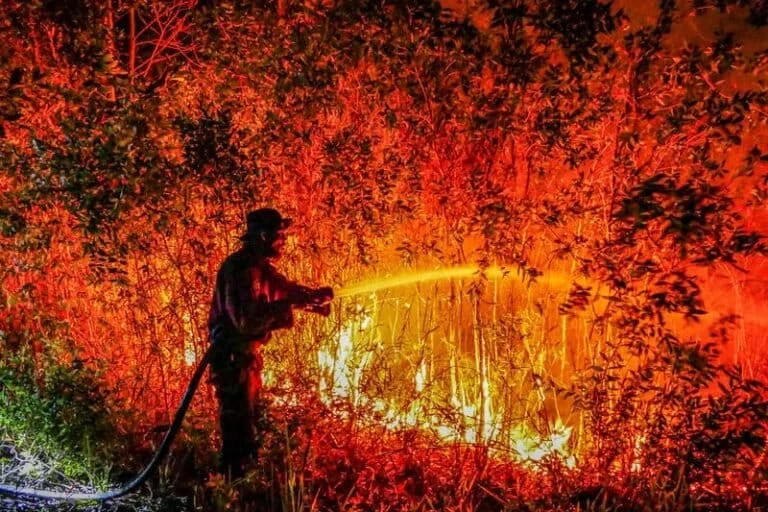
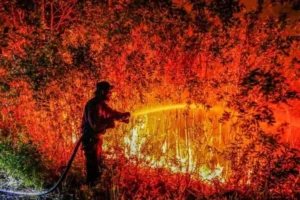
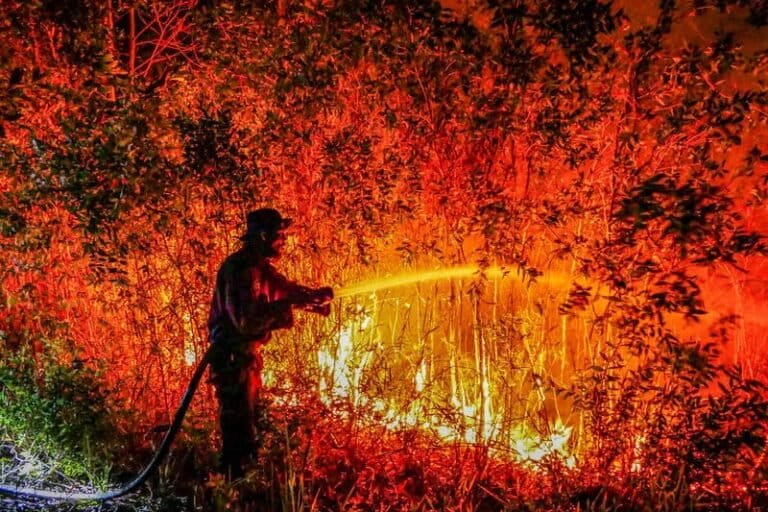
JAKARTA – For over five grueling months, the lungs of Kalimantan have been burning, and with them, the health and future of millions of its inhabitants. As the acrid, toxic haze of forest and land fires (karhutla) blankets the region, a growing chorus of students, activists, and victims has taken to the streets of the nation’s capital to demand accountability, echoing a desperate cry for survival.
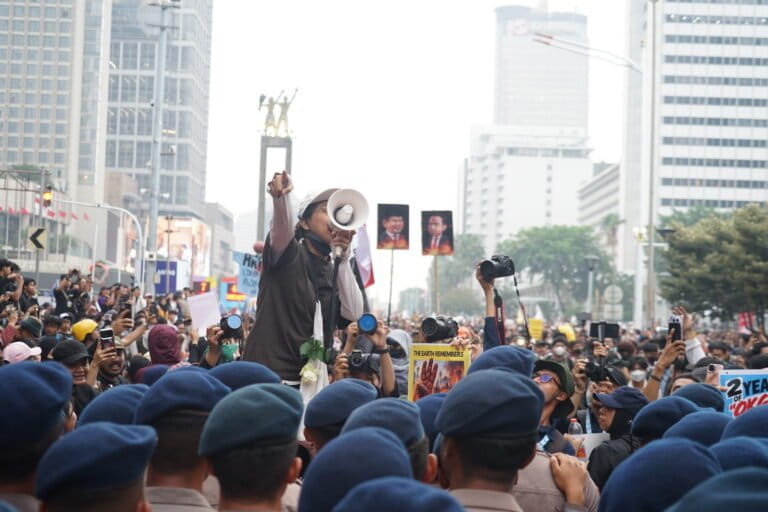
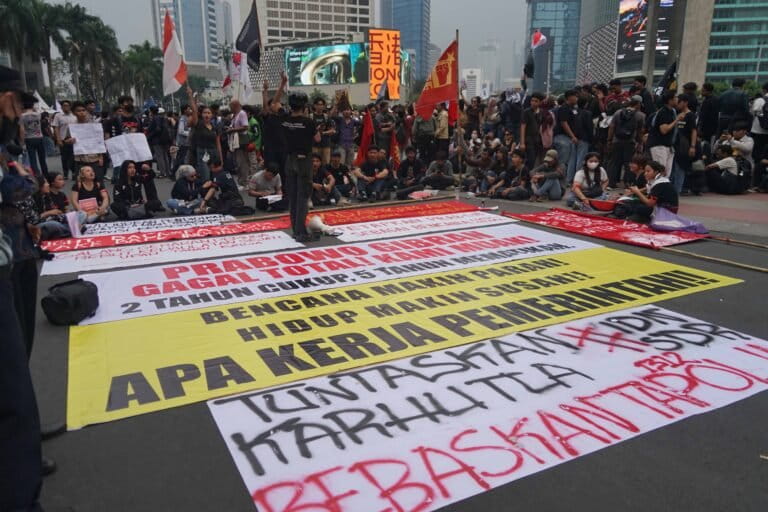
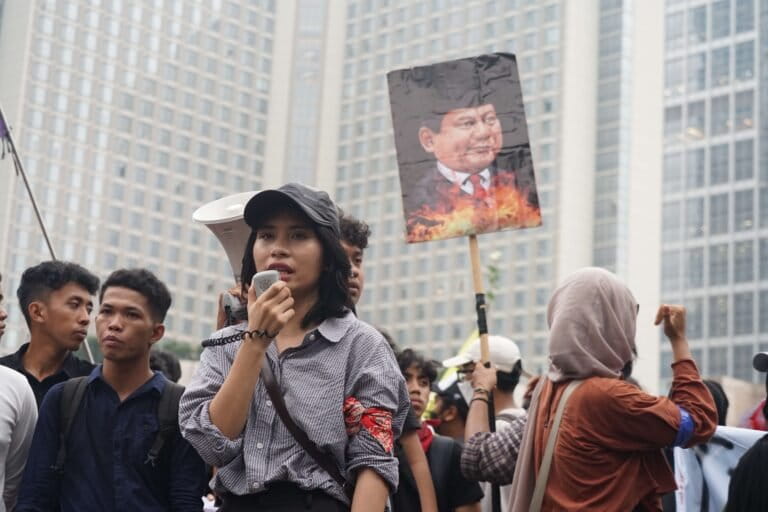
"We are suffering tremendously. No human being deserves to breathe poisonous air. Education is eroding, the economy is crumbling—everything is being stripped away," shouted Naomi Artika Simamora, a student from the University of Palangka Raya (UPR), Central Kalimantan, during a massive protest at the Hotel Indonesia (HI) Roundabout in Central Jakarta on October 28, 2026.
Her voice, representing thousands of voices from the frontlines of the crisis, marks a deepening divide between public welfare and the state’s current administrative priorities.
The Anatomy of a Health Crisis
The statistics emerging from the fire-ravaged provinces are nothing short of catastrophic. Data from the Ministry of Health indicates that between August 18 and October 21, 2026, the number of Acute Respiratory Infection (ARI) cases in 68 districts across seven provinces has surged to 333,470.
The demographic breakdown reveals a harrowing reality: 75,172 of these cases involve children under the age of five, who are particularly vulnerable to the fine particulate matter clogging the air. The remaining 258,298 cases involve citizens over the age of five, including the elderly, whose respiratory systems are increasingly failing under the constant onslaught of smoke.
In Central Kalimantan alone, the Regional Disaster Management Agency (BPBD) recorded 121,220 ARI cases and 26,864 cases of diarrhea—a secondary health impact often linked to contaminated water sources near burned areas—between January 1 and October 19, 2026. During this same period, satellite monitoring identified 329,632 hotspots and 6,705 individual fire events.
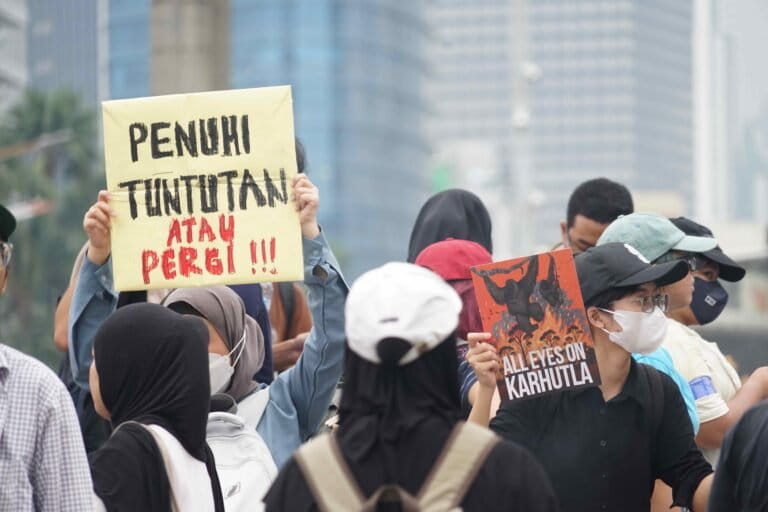
"Until today, Kalimantan is still being burned," Naomi stated during the rally. "Millions are at risk of chronic respiratory illness. The central and provincial governments have yet to provide a robust health guarantee or social safety net for those suffering."
Chronology of Neglect
The crisis of 2026 did not occur in a vacuum. It is the culmination of years of environmental degradation, climate volatility, and industrial expansion.
- Early 2026: El-Niño conditions began to manifest, creating an environment primed for combustion. Experts warned that the drying of peatlands would be the primary catalyst for massive fires.
- May–June 2026: Minor fire outbreaks were reported. Critics argue that early government intervention could have prevented the disaster from spiraling, but institutional response remained sluggish.
- August 2026: The scale of the fires reached critical levels. The haze began to disrupt daily life, closing schools and airports, and overwhelming local clinics.
- October 24, 2026: The "Coalition Against Smoke" (Koalisi Anti Asap) held a protest in Jakarta, highlighting that the fires are not merely a natural disaster, but a systemic issue of land management and corporate greed.
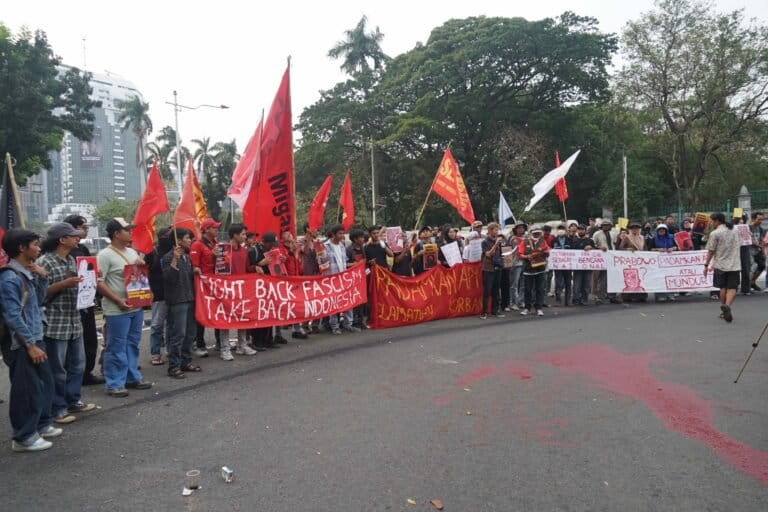
- October 28, 2026: Thousands of students, including those from UPR, joined forces with the Committee to Save People’s Sovereignty (SADAR) in a massive demonstration at the HI Roundabout, demanding the state declare a national disaster and shift priorities from populist programs to environmental rescue.
The "Corporate Agenda" and Peatland Desiccation
While the government often cites the "extreme drought" of the El-Niño phenomenon as the primary driver of the fires, environmental researchers tell a different story. Investigations by organizations like Pantau Gambut suggest that the fires are intimately linked to the industrial draining of peat ecosystems.
Research has identified a network of canals stretching over 281,253 kilometers across Sumatra, Kalimantan, and Papua. These canals, designed to drain water from the naturally wet peatlands to make the land suitable for monoculture crops, have effectively turned millions of hectares into a tinderbox.
"The rectangular patches of burned land clearly indicate that these fires are an agenda for business expansion," Naomi asserted.
The scale of this industrial footprint is immense: these canals are predominantly located within 3.99 million hectares of land under Business Use Rights (HGU) and 2.54 million hectares of Industrial Forest Plantations (HTI). Instead of restoring these degraded landscapes, the government has proposed utilizing 12.7 million hectares of "damaged forest" for bioethanol production, a move activists fear will lead to further deforestation and the loss of biodiversity.
Official Responses and Political Priorities
The failure to contain the karhutla has led to widespread public disillusionment. Protesters have pointedly criticized the government’s focus on high-budget, populist programs—such as the "Free Nutritious Meal" (Makan Bergizi Gratis/MBG) and the "Red and White Village Cooperatives"—while the fundamental right to clean air is neglected.
"The government seems to prefer spending hundreds of trillions on populist projects rather than saving the environment that sustains us," said Rizal Assalam, coordinator of the Transnational Palm Oil Labour Solidarity (TPOLS).
The administration has yet to officially declare the karhutla a "National Disaster," a move that many analysts believe is being blocked by powerful political and business interests. By avoiding this classification, the state avoids the massive financial and logistical obligations that come with a centralized emergency response.
Implications: The Human and Ecological Cost
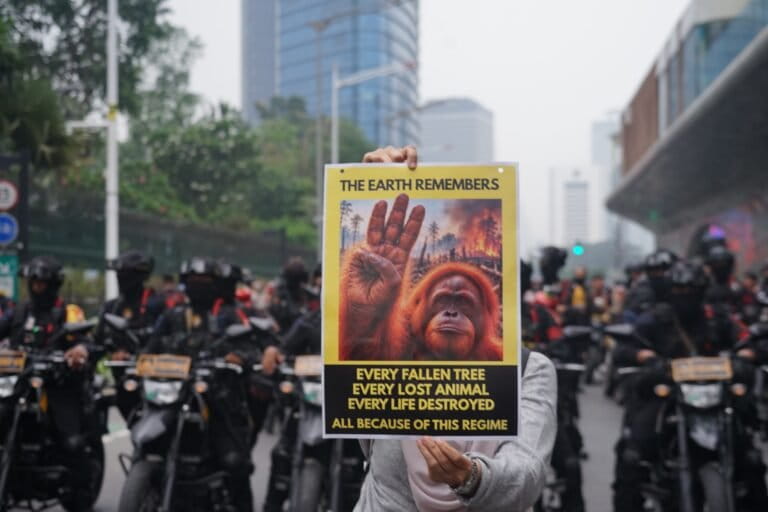
The tragedy extends far beyond the human health crisis. The ecological cost is immeasurable, with vast swaths of carbon-rich peatlands incinerated, turning the forest into a massive carbon source rather than a sink. Local flora and fauna have been decimated; images of displaced and suffering orangutans have become a symbolic rallying cry for the movement.
For the human population, the cost is equally high. In Central Kalimantan alone, ten deaths have been directly attributed to the consequences of the fires, including six volunteer firefighters, a six-month-old infant, and two teenagers who lost their lives in traffic accidents caused by zero-visibility conditions.
"We demand justice for the victims," said Adinda Putri Chaniavatov of the Kelompok Studi Suara Perempuan Rakyat (Kestara). "This is about the right to own our living space. We are fighting for our fundamental right to breathe."
A Nation at a Crossroads
The protest on October 28 was marked by high tension. As thousands of demonstrators marched toward the Presidential Palace, they were met with a formidable wall of police and military forces. Water cannons and tactical vehicles stood ready, and the air was thick with the scent of both impending rain and the lingering, distant smoke of the fires.
The atmosphere turned chaotic when some protesters attempted to breach the security cordons. Brimob (Mobile Brigade) units, dressed in riot gear and carrying tear gas launchers, formed a second layer of defense, effectively silencing the movement’s attempt to reach the center of power.
Despite the crackdown and the eventual dispersal of the crowd by a heavy downpour, the sentiment remains resolute. The protesters have issued five core demands, calling for:
- Immediate declaration of the forest fire crisis as a National Disaster.
- Full accountability for corporations involved in the drainage and destruction of peatlands.
- Comprehensive health guarantees and financial compensation for all victims, including workers.
- A shift in state budget priorities, moving funds away from non-essential populist programs toward environmental restoration and emergency relief.
- A halt to all industrial expansion on degraded peatland until proper ecological assessments are conducted.
As the fires continue to burn, the movement is signaling that this is merely the beginning of a larger campaign. The message is clear: the people of Kalimantan and their supporters across the nation will no longer accept the "sacrifice" of their lungs and their future for the sake of corporate profits and political convenience.
In the words of the protesters, as they stood beneath the darkening sky, "The forest is our life, and when the forest burns, we burn with it." The government’s response to these demands will determine whether the nation can forge a path toward true sustainability or if it will continue to be consumed by the flames of its own making.