Alarm Raised as Avian Influenza Sweeps Through US Mink Farm, Sparking Fears of a New Human Pandemic
JAKARTA/UTAH — Public health experts and virologists are sounding the alarm following a prolonged and uncontained outbreak of avian influenza at a commercial mink farm in Utah, United States. The situation, which has quietly persisted for over two months, has reignited global anxieties regarding the potential emergence of a novel influenza strain capable of triggering a catastrophic human pandemic. Despite urgent warnings from the scientific community, local and federal authorities have faced heavy criticism for a sluggish response, hampered by regulatory gaps, economic pressures, and bureaucratic inertia.
The unfolding crisis at the Utah facility underscores the persistent vulnerability of industrial animal farming to zoonotic spillover events—a scenario wherein animal pathogens mutate, cross species barriers, and adapt to human hosts.
Main Facts of the Outbreak
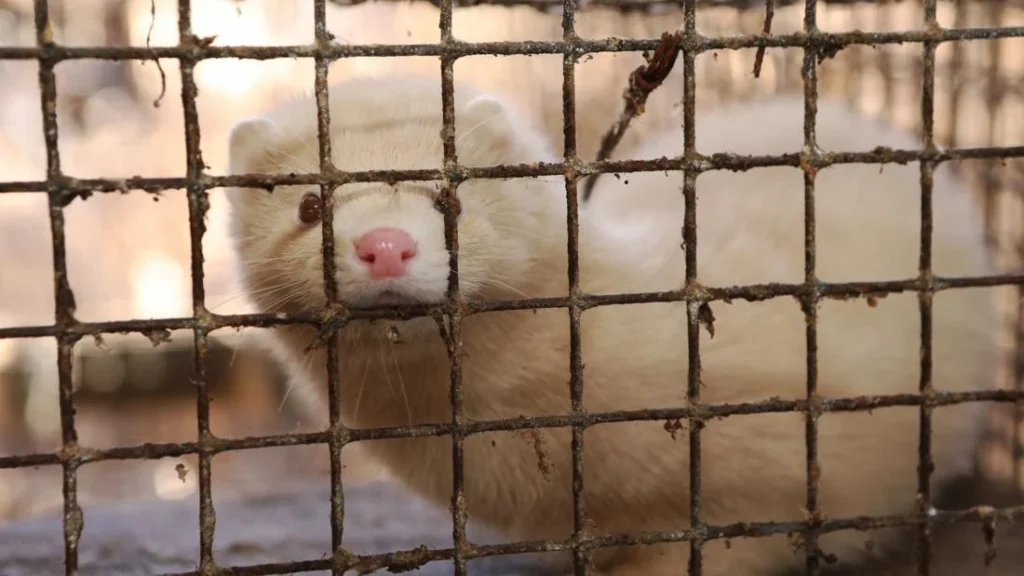
The outbreak centers on C&T Fenn Farms, a commercial facility located roughly an hour’s drive south of Salt Lake City, Utah, where thousands of mink are raised exclusively for the fur trade.
- The Pathogen: The virus driving the outbreak is the highly pathogenic avian influenza (HPAI), commonly known as bird flu (specifically strain H5N1), which has circulated aggressively among wild birds and commercial poultry across the United States for the past four years.
- Human Toll So Far: Over the course of the four-year American epizootic, two human deaths have been documented globally after individuals contracted the virus directly from infected animals.
- Transmission Status: Crucially, health authorities emphasize that there is currently no epidemiological evidence of sustained human-to-human transmission. The virus remains primarily optimized to infect avian biological receptors rather than the cellular lining of the human respiratory tract. For a pandemic to ignite, the virus must undergo critical genetic mutations enabling it to bind efficiently to human upper airway cells and transmit effortlessly via aerosols generated by coughing and sneezing.
- The "Mixing Vessel" Threat: Scientists view mammals, particularly mustelids like mink, as dangerous biological "mixing vessels." Because mink possess respiratory tracts and cellular receptors structurally analogous to those of humans—and are known to be uniquely susceptible to various respiratory pathogens, including previous strains of influenza and SARS-CoV-2—they represent a prime environment for viral evolution. Within densely populated farming conditions where thousands of animals live in close confinement, the probability of genetic reassortment skyrockets.
Chronology of Events and Regulatory Blind Spots
According to an investigative report published by ProPublica on October 26, 2026, the timeline of the Utah outbreak reveals systemic failures in early detection, containment, and inter-agency coordination.
- Mid-August: State agricultural authorities in Utah first became aware of mass mink mortality events linked to avian influenza at C&T Fenn Farms, facts brought to light through internal state communications obtained via public records laws.
- Late August to September: State Veterinarian Dr. Amanda Price recognized the severe implications of the outbreak and sought urgent intervention and technical assistance from the United States Department of Agriculture (USDA). However, the USDA stated it lacked explicit federal regulatory authority over mink farms, nor were there any federally approved vaccines designated for use in farmed mustelids.
- The Communication Gap: While officials from the U.S. Centers for Disease Control and Prevention (CDC) engaged in peripheral discussions with Utah health personnel, a direct line of communication was never established between CDC leadership and Dr. Price, highlighting a profound disconnect between veterinary agriculture and public health surveillance.
- Dismantling Active Surveillance: Initially, Utah public health officials attempted to conduct active monitoring of individuals deemed at high risk of exposure—namely, farm workers and surrounding agricultural handlers. However, this crucial surveillance protocol was abruptly terminated following intense pushback from agricultural stakeholders and state agricultural officials who claimed the monitoring was overly intrusive and alienated the farming community.
Consequently, local health authorities were locked out of critical information flows, leaving a dangerous blind spot in early human infection detection.
Supporting Data and Comparative Regulatory Failures
The handling of the Utah mink farm outbreak stands in stark, alarming contrast to the protocols enforced during avian influenza outbreaks within the commercial poultry sector.
- The Poultry Precedent: Under standard federal and state agricultural guidelines, if a single poultry bird tests positive for HPAI, a strict "depopulation" (culling) mandate is triggered across the entire flock. All birds within the infected herd are systematically destroyed to interrupt the viral transmission chain, protect public health, and prevent cross-farm contamination. In exchange, commercial poultry producers receive state-backed financial compensation for their economic losses.
- The Fur Industry Exception: No such aggressive containment protocol exists for commercial mink operations. When Dr. Price and local officials weighed their options, they encountered fierce resistance from the fur trade lobby. Industry representatives argued that sweeping culling orders would obliterate generational businesses and wipe out decades of selective breeding designed to preserve specific genetic bloodlines valued in the global fur market.
- Economic vs. Public Health Priorities: Driven by sympathy for the farm owners—whom Dr. Price described to ProPublica as watching their "life’s work destroyed"—and deterred by the lack of federal mandates, state authorities declined to order a total culling of the infected mink population.
Official Responses and Perspectives
The paralysis at the intersection of public health and agricultural economics has drawn fierce rebukes from the global scientific community.
The Scientific Viewpoint
Tom Peacock, an avian influenza researcher at the Pirbright Institute, sharply criticized the inaction of Utah authorities, noting that international jurisdictions facing similar H5N1 incursions in fur-bearing animal farms moved swiftly to depopulate infected facilities.
"The fact that the first step was not immediate depopulation and aggressive investigation is deeply, fundamentally concerning," Peacock stated.
Independent epidemiologists argue that treating high-risk mammalian outbreaks with the same casual forbearance applied to localized livestock diseases misjudges the evolutionary velocity of influenza viruses. By allowing thousands of susceptible animals to incubate the virus unchecked, authorities are effectively gambling with global health security.
The Local and Federal Stance
Defending the state’s measured approach, Dr. Amanda Price pointed out the severe psychological and financial toll facing agricultural producers. She noted that USDA officials did not issue direct mandates for culling, nor did they characterize the threat posed by mink as inherently more urgent than historical outbreaks observed in dairy cattle or domestic fowl.
Meanwhile, health officials on the ground admit that balancing industry sensitivities with epidemiological necessity has compromised containment. Pamela Gomez Pinedo, a respiratory disease epidemiologist at the Utah Department of Health, conceded that aggressive health monitoring of farm personnel was dialed back because it bred deep distrust among agricultural operators, ultimately cutting off vital streams of data.
Global Implications and Public Health Warnings
The situation in Utah is not an isolated incident; it reflects an intensifying pattern of cross-species viral leaps. Recent incidents in Washington state—where public health authorities were forced to trace contacts and isolate an individual exhibiting respiratory symptoms after occupational exposure to an infected dairy cow—demonstrate that zoonotic spillover channels are diversifying across the United States.
As investigations into the C&T Fenn Farms outbreak continue, public health experts emphasize several critical takeaways for future pandemic preparedness:
- Closing Regulatory Loopholes: Federal bodies like the USDA and the CDC must establish comprehensive, unambiguous regulatory frameworks governing mammalian wildlife and fur-farming operations, treating mustelids with the same epidemiological rigor applied to the poultry and swine industries.
- Prioritizing Proactive Surveillance: Active health monitoring of agricultural workers must never be sidelined by commercial lobbying or fear of industry non-compliance. Early detection of human symptoms is the single most effective barrier against community-level outbreaks.
- Re-evaluating Economic Compensation: If culling is deemed necessary by virologists to avert a global health crisis, federal indemnification programs must be immediately extended to fur and alternative livestock farmers to remove economic disincentives for reporting infections.
In summary, the ongoing viral propagation within Utah’s mink population serves as a sobering reminder of the fragile boundary separating animal epizootics from human pandemics. Experts warn that unless regulatory apathy is replaced by decisive, science-led intervention, the cost of protecting niche agricultural economies could ultimately be measured in global human lives.