The Revolution of the Console: How ‘Playden’ is Transforming the PlayStation 5 into a Portable Steam Machine
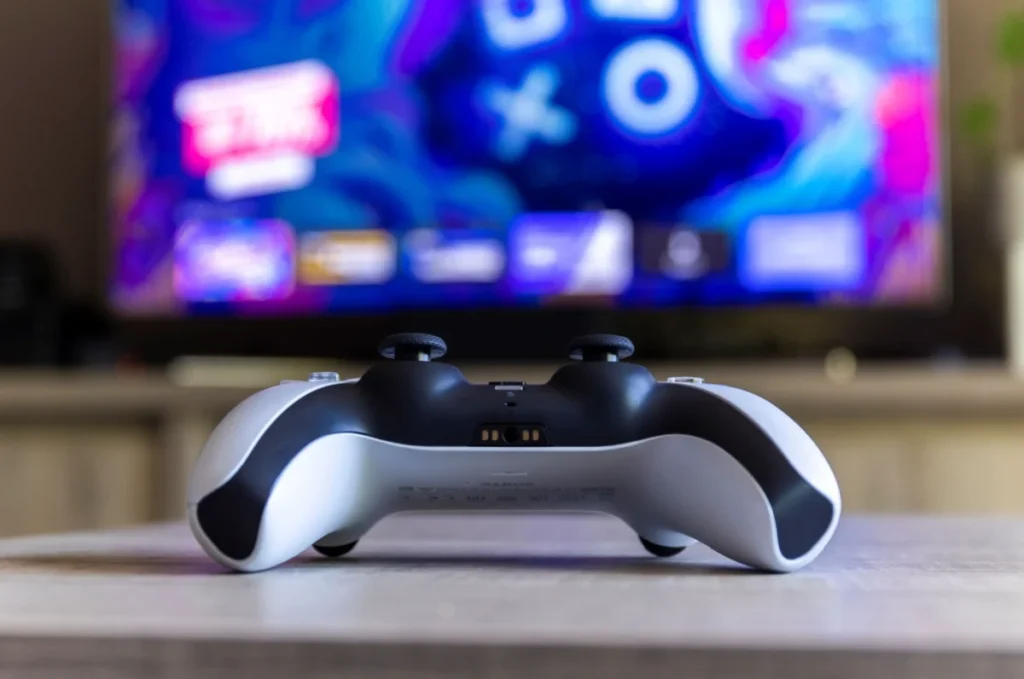
The boundary between console gaming and PC gaming has always been defined by hardware architecture and proprietary software ecosystems. For years, the PlayStation 5 has stood as a fortress of curated experiences, locked within Sony’s walled garden. However, a groundbreaking development in the homebrew community has shattered these walls. Enter Playden, an open-source project that effectively transforms a jailbroken PlayStation 5 into a makeshift "Steam Machine," capable of running Windows-based PC titles directly on Sony’s current-generation hardware.
This development marks a significant milestone in the history of console modding, raising questions about hardware ownership, the future of cross-platform compatibility, and the risks inherent in bypassing manufacturer restrictions.
The Genesis of Playden: Bridging Two Worlds
The Playden project functions as a sophisticated launcher designed to bridge the gap between the PS5’s custom OS and the vast library of titles available on Steam. Unlike traditional virtualization methods that require a full Windows installation—which would be prohibitively resource-heavy and technically complex on a console—Playden utilizes a port of Wine.
Wine (an acronym for "Wine Is Not an Emulator") acts as a compatibility layer, allowing Windows applications to run on Unix-like operating systems. By porting this functionality to the PS5, the developers of Playden have created a pathway where the console’s hardware can communicate with Windows executable files. The result is a seamless interface that allows users to link their existing Steam accounts to the console, download games directly, or import game files manually via external storage devices.
Streamlining the Console Experience
What distinguishes Playden from previous, more rudimentary "hacks" is its focus on user experience. Once a game is installed, Playden allows users to create dedicated shortcuts directly on the PS5’s main dashboard. This design choice effectively mimics the "native console" feel; users can launch Cyberpunk 2077 or Resident Evil 4 with a single click, bypassing the tedious process of navigating through a desktop environment.
Furthermore, the project includes automated controller mapping. Since most PC titles are built for the XInput standard (Xbox controllers), Playden intelligently maps the PS5 DualSense controller to emulate an Xbox controller, ensuring that the haptic triggers and trackpad functionality are translated into a format that Windows-based games can interpret.
Technical Performance and Compatibility
While the prospect of running AAA PC games on a PS5 is tantalizing, the reality remains a work in progress. The current compatibility list, curated by the modding community, reveals a dichotomy between lightweight indie titles and resource-intensive blockbusters.

The "AAA" Hurdle
Titles such as Cyberpunk 2077 and Resident Evil 4 have been successfully launched via Playden. In initial demonstrations, Cyberpunk 2077 managed to load the main menu, initiate the character creation suite, and run through the opening "Nomad" path. However, performance metrics remain opaque. While the game "runs," the lack of optimization for the PS5’s specific hardware stack—coupled with the overhead of the Wine compatibility layer—suggests that frame rates are likely unstable compared to a dedicated gaming PC or the native PS5 version.
The Compatibility Gap
Not all titles are created equal. The community list highlights several high-profile failures, including Armored Core VI: Fires of Rubicon, Counter-Strike 2, Hades II, Hi-Fi Rush, and Marvel Rivals. The failure of these titles to run is usually attributed to three major obstacles:
- Anti-Cheat Software: Many competitive multiplayer games utilize kernel-level anti-cheat solutions that do not recognize or permit the Wine environment.
- DRM (Digital Rights Management): Sophisticated DRM solutions like Denuvo are designed specifically to detect and block non-standard execution environments.
- Graphic API Bottlenecks: Discrepancies between DirectX 12 and the PS5’s native API often lead to crashes or severe visual artifacts.
The Implications of Homebrew Modding
The rise of projects like Playden carries profound implications for the gaming industry, touching upon the legal, ethical, and technical spheres.
Ownership vs. Control
At its core, Playden is an exercise in user agency. It challenges the "Turing Test" of ownership: if you own the hardware, should you not be allowed to run whatever software you choose? Sony, like most console manufacturers, views the modification of console firmware as a violation of their Terms of Service (ToS). A jailbroken PS5 is, by definition, an "unsupported" device, which voids warranties and creates a permanent divide between the user and the official PlayStation Network (PSN) ecosystem.
Security Vulnerabilities
The developers behind Playden have been transparent about the security risks involved, and they are substantial. Because the project is in its infancy, the implementation of security protocols is lacking. Specifically, Steam session tokens are currently stored in the console’s memory without encryption. This creates a "low-hanging fruit" scenario for malicious actors; if a user were to inadvertently install a compromised build or connect to a malicious server, their entire Steam account—and the financial data associated with it—could be at risk of theft.
Additionally, the reliance on Steam Cloud integration introduces the potential for data corruption. In a standard PC environment, cloud saves are robust. In the experimental Playden environment, a synchronization error could lead to the console overwriting a player’s current save file with an older, corrupted version, effectively erasing dozens of hours of progress.
Official Responses and Industry Stance
To date, Sony Interactive Entertainment has maintained a policy of "security through obscurity and restriction." While the company has not issued a formal statement specifically regarding the Playden project, their historical reaction to jailbreaking has been swift and severe.

In previous console generations, Sony has utilized system software updates to patch the exploits used by homebrew developers. Should Playden gain significant mainstream traction, it is highly probable that Sony will release a firmware update that either "bricks" the exploit or forces users to choose between the official PSN ecosystem (and online multiplayer) and the modded environment.
Industry analysts suggest that while companies like Valve (with the Steam Deck) have embraced the "open PC" philosophy, Sony remains committed to a closed-loop ecosystem to ensure quality control, security, and a consistent revenue stream from their digital storefront.
The Road Ahead: What’s Next?
The Playden project represents a fascinating intersection of reverse engineering and sheer technical ambition. It proves that the PS5’s hardware—essentially a high-end AMD APU—is more than capable of handling tasks traditionally reserved for PCs.
As the project matures, the community is focusing on three key areas:
- Performance Optimization: Refining the Wine layer to reduce CPU overhead, which would theoretically allow for smoother frame rates in more demanding titles.
- Expanded API Support: Working to bypass the specific DRM and anti-cheat triggers that currently block popular titles.
- Security Hardening: Implementing encrypted local storage for Steam session tokens to protect users from credential theft.
A Community-Driven Future
Whether Playden remains a niche curiosity or becomes a staple for the "power user" PS5 owner depends on two factors: the continued resilience of the jailbreak exploit and the community’s ability to maintain a sustainable development pace.
For the average consumer, the risks—voided warranties, potential account bans, and security vulnerabilities—likely outweigh the benefits. However, for the tinkerer, the developer, and the advocate for hardware freedom, Playden is a testament to the ingenuity of the gaming community. It is a reminder that even the most tightly locked hardware can be opened if the will to innovate is strong enough.
As we look toward the future of console gaming, the success of Playden invites a broader conversation: are we moving toward a future where consoles are simply branded PCs with locked-down software, or will manufacturers continue to fight against the tide of openness? For now, the answer remains in the hands of the modders, one line of code at a time.