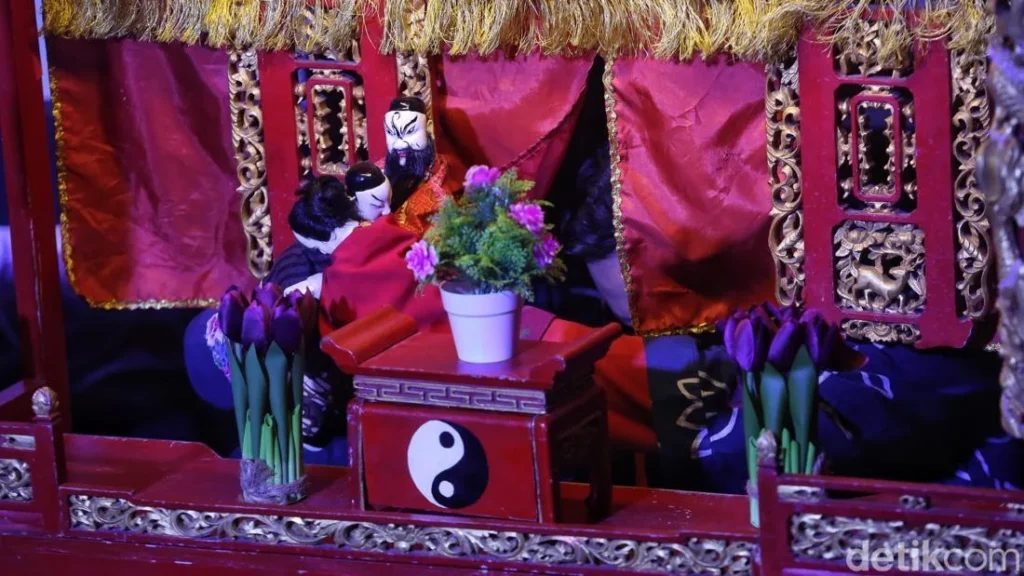
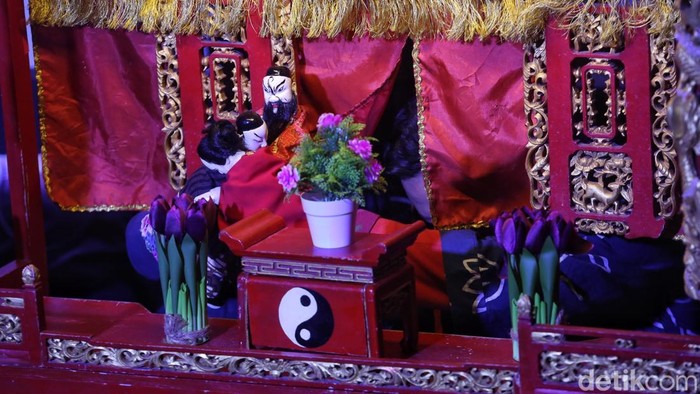
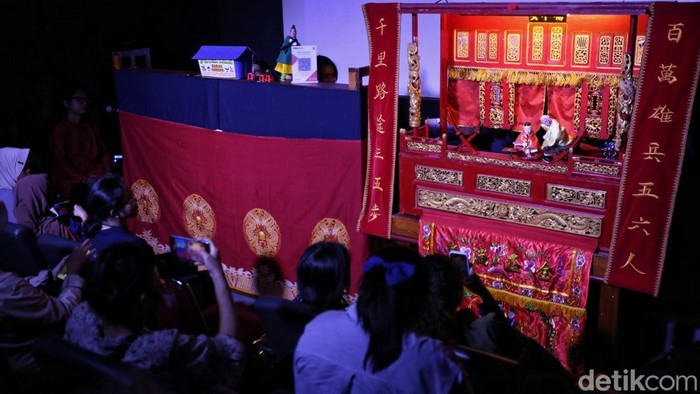
Jakarta – In an immersive celebration of history, culture, and shared identity, the historic halls of the Museum Kebangkitan Nasional in Jakarta recently came alive with the vibrant sights and sounds of Wayang Potehi. Held on Sunday, October 25, 2026, the cultural event served as more than just a traditional puppet performance; it was a profound exploration of Chinese-Indonesian heritage, focusing specifically on the struggles, journeys, and quests for identity experienced by the ethnic Chinese community in Java during the mid-20th century.
Organized with meticulous artistic dedication, the performance drew culture enthusiasts, historians, and curious travelers alike. Through the skillful manipulation of cloth puppets and the rhythmic chime of traditional instruments, the event successfully bridged centuries-old Fujian traditions with the socio-cultural landscape of modern Indonesia.
Main Facts: The Performance of "Mawar Cina di Tanah Jawa"
At the heart of the exhibition was the compelling storyline brought to life by master puppeteer (dalang) Andika Pradana from the renowned Sanggar Wayang Potehi Siauw Pek San.
The Production: Andika presented a special, contemporary-themed lakon (play) titled "Mawar Cina di Tanah Jawa" (The Chinese Rose in the Land of Java).
Historical Context: The narrative dives deep into the complex socio-political realities of the 1960s, capturing the nuanced experiences of ethnic Chinese individuals navigating questions of belonging, assimilation, and identity in Java.
Format and Delivery: The 60-minute performance was delivered primarily in the Indonesian language—a deliberate choice to ensure accessibility for a diverse, contemporary audience.
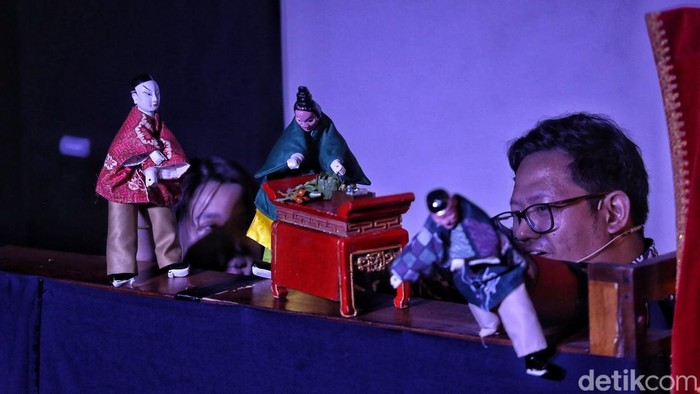
The Crew: Andika operated as a solo narrator and lead manipulator, backed by two assistant puppeteers who breathed life and kinetic energy into the cloth-and-wood figures on stage. The production was further amplified by a three-piece traditional musical ensemble that underscored the dramatic emotional beats of the story.
Chronology and Stage Dynamics: An Interactive Cultural Exchange
The afternoon unfolded as a masterclass in traditional theater arts, combining meticulous craftsmanship with spontaneous audience engagement.
1. The Opening Act and Narration
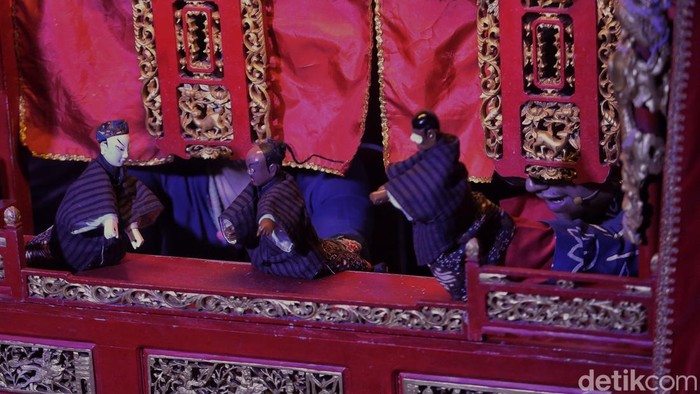
As the curtains parted on the makeshift Potehi stage—a portable wooden proscenium housing the intricate puppet show—Dalang Andika took command of the room. Speaking in fluid Indonesian, he set the historical stage of 1960s Java, framing the internal and external conflicts faced by the diaspora. The puppets, though small, projected profound emotional depth through precise hand movements, head tilts, and costume changes.
2. Musical Accompanying and Lenong-Style Interaction
As the narrative progressed, the atmosphere inside the Museum Kebangkitan Nasional shifted from a formal historical showcase to a lively, communal gathering. Three musicians provided a traditional soundscape that heightened the dramatic tension.
Breaking away from rigid theatrical norms, the performance turned interactive. The dalang engaged in witty, spontaneous banter with the audience, with spectators shouting responses back to the stage. This dynamic call-and-response style drew striking parallels to Jakarta’s indigenous Lenong Betawi theater, showcasing an organic, grassroots level of cultural synthesis between the Chinese-Indonesian tradition and local Betawi performance art.
Supporting Data: Understanding the Art and History of Wayang Potehi
To fully appreciate the significance of the performance at the Museum Kebangkitan Nasional, it is essential to examine the origins, evolution, and turbulent history of Wayang Potehi in the Nusantara archipelago.
Etymology and Mechanics
What is Potehi? The term potehi is derived from three Hokkien Chinese characters: pou (fabric/cloth), te (pocket), and hi (play/puppet).
Anatomy: Unlike string-operated marionettes or rod puppets, Wayang Potehi puppets are constructed like fabric bags or pouches. The puppeteer slips their hand inside the cloth body, using their fingers to animate the head—typically carved from lightweight wood—and the hands, while the fabric drapes over the operator’s arm to form the costume.
Historical Roots and Migration
Wayang Potehi traces its geographic roots back to southern Fujian Province, China. Merchants, sailors, and migrants brought the art form across the maritime trade routes to Southeast Asia centuries ago. Over generations, the tradition took root in local Peranakan communities across Java, Sumatra, and other islands, gradually incorporating local musical elements, linguistic nuances, and storytelling motifs.
The Golden Era and the Dark Decades
The 1950s Boom: Wayang Potehi enjoyed a golden era of popularity throughout Indonesia during the 1950s, frequently performed in local temples (klenteng), village squares, and community markets. Alongside contemporary interpretations, troupes kept classic epics alive, such as Cun Hun Cauw Kok, Hong Kian Cun Ciu, Poe Sie Giok, and the legendary martial arts saga Sie Jin Kwie.
The Silence (Post-1967): This vibrant cultural tapestry faced a severe blow starting in 1967. Due to sweeping socio-political policies and legal restrictions imposed on Chinese-Indonesian public cultural expressions, traditional arts like Wayang Potehi were forced into near-total dormancy. For decades, performances were largely restricted to private temple grounds or abandoned entirely.
Official Responses and Cultural Perspectives
Cultural preservationists and historians regard events like the one at the Museum Kebangkitan Nasional as vital turning points for minority arts in Indonesia.
Speaking after the performance, community leaders and arts advocates emphasized that Wayang Potehi is no longer viewed merely as a foreign import, but as an indispensable thread in the diverse fabric of Indonesian national culture (Bhinneka Tunggal Ika).
"Through the medium of the stage, puppets, music, and localized narratives, Wayang Potehi transcends simple entertainment," noted a representative from the cultural preservation community. "It serves as a living archive—a dedicated space where younger generations can confront historical realities, understand the roots of multiculturalism, and celebrate the deep-seated akulturasi (acculturation) between Chinese heritage and Indonesian society."
Historians have also lauded the choice of venue. Housed within the former building of Stovia (School tot Opleiding van Inlandsche Artsen), the Museum Kebangkitan Nasional stands as a historic monument to national awakening, anti-colonial struggle, and unity among diverse ethnic groups in the archipelago. Hosting a narrative about marginalized identity within these walls offered a powerful symbolic resonance.
Implications: Preserving Identity for Future Generations
The successful staging of "Mawar Cina di Tanah Jawa" carries several profound implications for the future of Indonesian cultural tourism and minority arts preservation:
Reclaiming Public Spaces for Diverse Narratives: By bringing ethnic minority histories out of private enclaves and into national museums, cultural practitioners are normalizing conversations about past discrimination, resilience, and integration.
Revitalizing Traditional Arts Through Modern Adaptation: The use of the Indonesian language, combined with interactive, Lenong-esque comedy, demonstrates that traditional arts must innovate in their delivery to remain relevant to Gen Z and millennial audiences who may not speak Hokkien or traditional dialects.
Boosting Cultural Tourism: Events like this transform museums from static repositories of dead artifacts into dynamic cultural hubs. They attract domestic and international travelers looking for authentic, narrative-driven experiences in Jakarta.
Fostering Social Cohesion: By highlighting shared cultural histories, performances like Wayang Potehi act as emotional bridges, fostering empathy, mutual respect, and a deeper understanding of the multicultural tapestry that defines modern Indonesia.
As the final notes of the traditional ensemble faded away inside the museum, the lingering impression was clear: Wayang Potehi is not merely surviving its complex history—it is actively reinventing itself, ensuring that the stories of the past continue to guide the identity of generations to come.