Maverick Vinales’ Silent Struggle: The Harsh Reality of Performance Clauses in MotoGP 2026
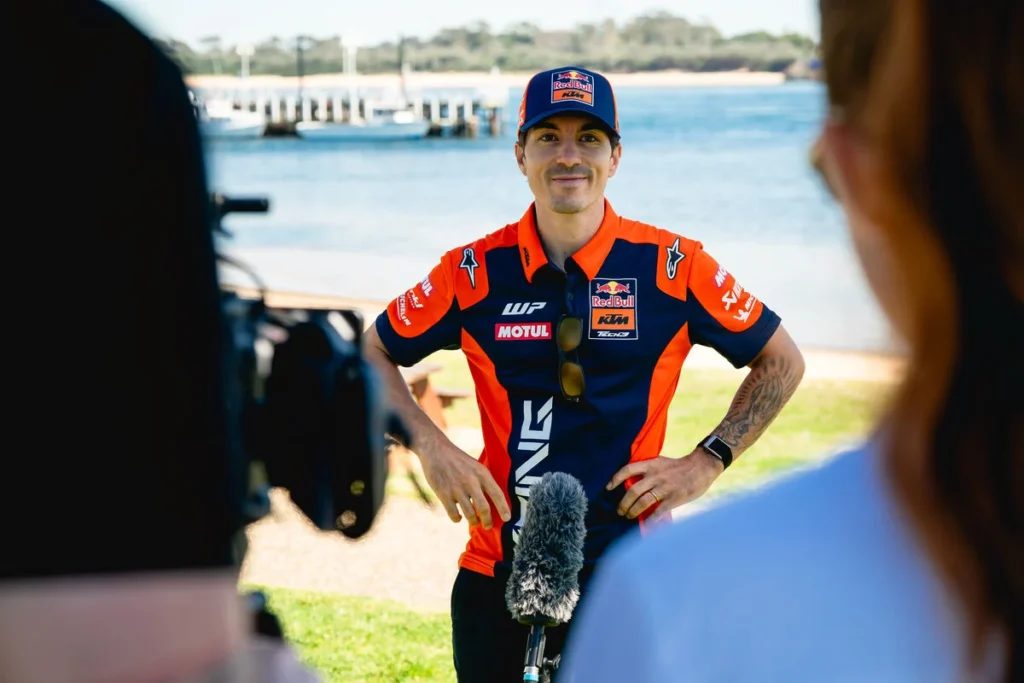
SELANGOR – The glitz and glamour of the MotoGP paddock often mask a brutal reality: for the athletes who risk their lives on the tarmac, the sport is a high-stakes business governed by rigid, often unforgiving, contractual obligations. Recently, factory KTM rider Maverick Vinales shed light on a distressing aspect of his professional life, revealing that he has been forced to race through agonizing physical pain to protect his financial livelihood.
The 31-year-old Spaniard has candidly admitted that a specific "performance and participation" clause in his current contract with KTM leaves him with little choice but to compete, even when his body is screaming for recovery. According to Vinales, missing more than three Grand Prix weekends during the 2026 season would trigger a significant reduction in his salary—a prospect that has forced him to prioritize his paycheck over his long-term physical well-being.
The Genesis of the Crisis: A Legacy of Injury
To understand the gravity of Vinales’ situation, one must look back at the cascade of events that began in mid-2025. The turning point for the former world championship contender was a high-speed crash during the qualifying session for the German Grand Prix in 2025. The impact resulted in a severe shoulder dislocation, an injury that proved far more complex than initial medical reports suggested.
The aftermath of that German crash initiated a two-year downward spiral for the rider. Following the incident, Vinales was sidelined for four consecutive rounds, a recovery period that was intended to allow his shoulder to stabilize. However, the recurring nature of the injury led to a series of setbacks. After returning to the grid, he found himself once again forced to withdraw following the Mandalika Grand Prix, eventually missing the remainder of the 2025 season and only returning for the season finale in Valencia.
Chronology of a Recurring Nightmare: The 2026 Season
The 2026 season was intended to be a year of redemption for Vinales. Instead, it became a test of endurance. Following the Grand Prix of the Americas (COTA) in early 2026, the pain in his shoulder reached an untenable threshold, necessitating urgent surgical intervention.
The surgery forced him to skip the subsequent rounds in Spain and France. While the procedure was deemed successful by his medical team, the rehabilitation process was hampered by the demands of the racing calendar. What followed was a fragmented campaign:
- Mid-Season Absence: Vinales was forced to miss the rounds in Great Britain, Aragon, San Marino, and Austria. These absences were not merely tactical; they were medically advised, yet they put him in direct violation of his contract’s participation threshold.
- The Return to Action: By the time he returned to the track for the Japanese Grand Prix, the paddock expected a return to form. However, Vinales revealed that the shoulder had never fully regained its pre-injury strength.
- The Australian Ordeal: Most recently, at the Australian Grand Prix, Vinales admitted to the media that he was still riding in significant discomfort. The physical toll of maneuvering a 160-kilogram prototype machine at speeds exceeding 300 km/h with a compromised shoulder is immense. Yet, he appeared on the grid, citing the fear of financial penalties as the primary motivator.
The "Participation Clause": A Controversial Industry Standard
The core of the issue lies in the contractual fine print. While top-tier MotoGP salaries are often multi-million dollar figures, they are rarely guaranteed in their entirety. Manufacturers include "availability clauses" that protect the team’s investment.
In Vinales’ case, the clause is binary: he is granted a limited window of three missed races per season. Beyond that threshold, the team reserves the right to pro-rate or withhold payments. For a rider who has spent nearly 18 months battling chronic injury, this clause has transformed from a standard contractual safeguard into a source of immense psychological and physical pressure.
The Human Cost vs. Corporate Strategy
Industry experts argue that such clauses are common in professional sports, but the nature of motorcycle racing makes them uniquely dangerous. Unlike team sports where a player might be benched, a rider on a MotoGP bike has a responsibility to himself, his team, and the other 21 riders on the track. A lapse in concentration or a failure to control the bike due to physical fatigue—caused by injury—can result in catastrophic consequences for the entire field.

Vinales’ confession raises uncomfortable questions: Should a rider be incentivized to race at less than 100% capacity? Does the pursuit of financial security through these clauses compromise the safety standards that the FIM (Fédération Internationale de Motocyclisme) and Dorna Sports work so hard to maintain?
Implications for KTM and the MotoGP Paddock
KTM, known for its aggressive racing culture and "Ready to Race" philosophy, has yet to issue an official statement regarding the specifics of Vinales’ contract. However, the situation places the Austrian manufacturer in a difficult position. On one hand, they need their star rider to compete to maximize the value of their sponsorship and development programs. On the other, the public outcry over a rider being forced to race while injured could cause significant reputational damage.
For Vinales, the implications are twofold:
- Career Longevity: By pushing his shoulder beyond its limits, Vinales risks permanent nerve damage or chronic arthritis, which could prematurely end his career.
- Performance Decline: Racing while in pain creates a vicious cycle. Compensation patterns—where the rider favors the healthy side of his body—lead to secondary injuries in the back, neck, and hips, further degrading his on-track performance and reducing his value for future contracts.
The Broader Debate on Rider Welfare
The case of Maverick Vinales is likely to trigger a wider conversation within the Grand Prix Commission. There is growing sentiment among riders and safety advocates that contracts should include more flexible "Medical Exception" clauses. These would allow riders to step away for recovery without the looming threat of salary cuts, provided that the absence is verified by independent medical boards.
As it stands, Vinales remains in a precarious position. He is a man caught between the love of his sport and the reality of his bank balance. As the 2026 season enters its final stages, the focus of the fans and the media will undoubtedly shift from his lap times to his physical condition.
Looking Ahead
The upcoming races will be a critical test for Vinales. If he continues to compete in pain, the pressure on the sport’s governing bodies to review how rider contracts are structured will only intensify. The "Vinales Case" is no longer just about one rider’s shoulder; it is a litmus test for the ethical standards of professional motorcycle racing.
Will KTM offer a grace period? Will Vinales find the strength to walk away until he is truly healed, or will the fear of a pay cut continue to outweigh the risks? For now, the Spaniard remains a tragic figure in the paddock—a world-class talent forced to gamble with his health, not just for the podium, but for his paycheck.
This report is based on current developments in the MotoGP 2026 season. Further updates regarding Maverick Vinales’ medical status and potential contract renegotiations will follow as more information becomes available.