Beyond the Axe: A Comprehensive Guide to Managing Unwanted Vegetation Without Felling
Published: October 26, 2026 | 11:27 WIB
In the modern landscape of home gardening and urban planning, the presence of greenery is generally celebrated. However, there are instances where once-cherished plants evolve from aesthetic assets into structural liabilities. Whether it is an aggressive shrub encroaching on a foundation, a tree with a root system threatening underground utility pipes, or an invasive species that refuses to yield despite persistent pruning, homeowners often find themselves in a bind.
While the instinctual reaction is to reach for a saw or an axe, "felling" a plant is not always the most practical or safe solution. In many residential contexts, felling can cause collateral damage to property, nearby flora, or even the surrounding soil structure. This article explores professional-grade, strategic methods to manage or eliminate unwanted vegetation without resorting to traditional logging techniques.
The Strategic Approach to Vegetation Control
Before initiating any removal process, it is essential to conduct a thorough site assessment. Managing a plant without felling is not a one-size-fits-all endeavor; the strategy must be dictated by the plant’s biological characteristics, its proximity to structural elements, and the potential environmental impact.
1. Root System Disruption: The Foundation of Control
The most effective way to eliminate a plant without felling is to address the source of its vitality: the root system. For smaller shrubs or herbaceous perennials, physical extraction of the root mass is the gold standard.
Methodology:
- Assessment: Identify the drip line—the area directly beneath the outer circumference of the tree’s branches. This is where the root activity is most concentrated.
- Excavation: Using appropriate gardening tools, carefully expose the primary roots. Avoid "yank-and-pull" tactics, which can lead to root fragmentation. If roots are left behind, they often retain enough energy to sprout "suckers," leading to a resurgence of the plant.
- Safety Protocols: If the vegetation is near sewage lines, electrical conduits, or building foundations, manual excavation should be limited. In such cases, the vibration of digging can disturb delicate infrastructure, potentially leading to costly repairs.
2. The Persistence Strategy: Repeated Pruning
For those dealing with vigorous, fast-growing species that sprout suckers, exhaustion is a viable biological control. This method relies on the principle that plants require energy (produced via photosynthesis in leaves) to store in their root systems.
Chronology of Implementation:
- Initial Cut: Remove all foliage and branches down to the main stem.
- Monitoring Phase: Observe the plant over the next 4–8 weeks. As soon as new buds appear, remove them immediately.
- Energy Depletion: By continuously removing the "solar panels" (leaves), the plant is forced to tap into its root reserves. Eventually, the root system exhausts its energy supply, leading to the natural senescence of the plant.
Note: This is a long-term strategy, often requiring months or even years for mature, woody plants.
3. Biological Suppression: Reducing Sunlight Exposure
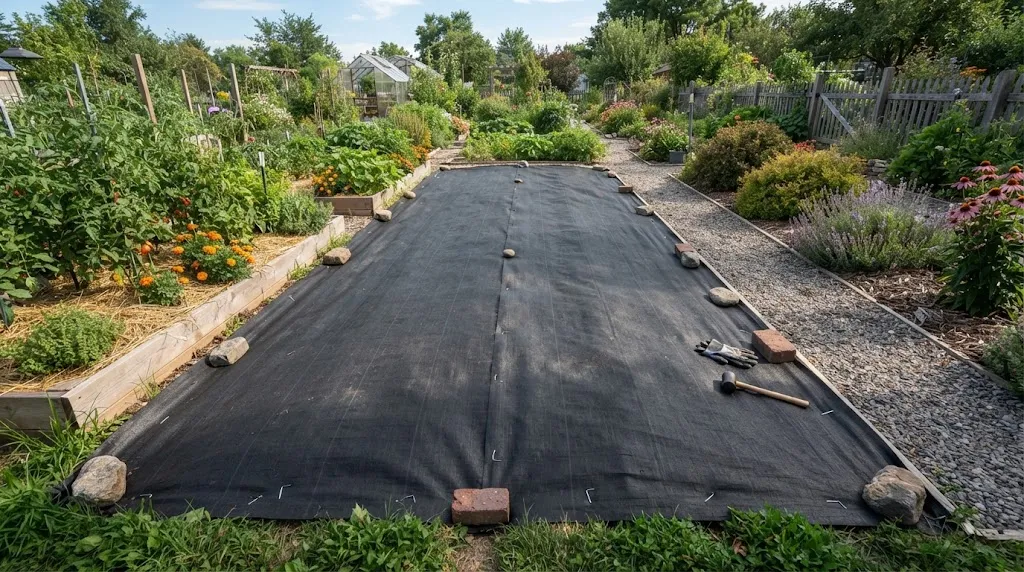
Photosynthesis is the engine of plant growth. By depriving a plant of light, you can induce a dormant state or kill it entirely. This method is particularly effective for ground-covering weeds or invasive shrubs.
Supporting Data:
Studies on vegetation management suggest that covering soil with non-porous, light-blocking materials (such as heavy-duty landscaping fabric or black plastic) for a period of 6 to 12 months can effectively neutralize most herbaceous growth.
- Implications: While effective, this method is non-selective. It will kill all vegetation beneath the cover, including beneficial grasses or ground cover. Furthermore, it does not address the deep-seated root systems of large trees, which may remain dormant and potentially sprout once the cover is removed.
4. Holistic Extraction: Removing the Root Ball
When the goal is permanent removal, simply removing the top growth is insufficient. The root ball—the mass of roots and soil that anchor the plant—must be addressed.
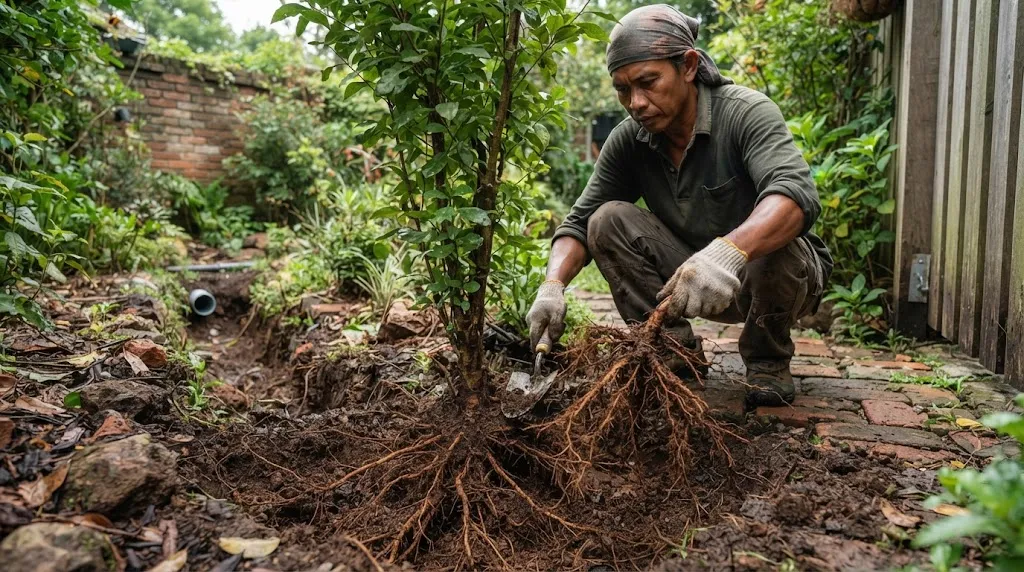
Technical Considerations:
- Size Matters: For saplings, a root wrench or manual leverage may suffice. For established shrubs, a hydraulic stump grinder or specialized root-cutting equipment is often necessary.
- Infrastructure Risk: Homeowners must ensure that the "root ball" removal does not compromise the soil stability surrounding building foundations. Removing a massive root system can cause soil subsidence, potentially leading to cracks in walls or pavement.
5. Chemical Control: Precision Application
Herbicides are often viewed with skepticism due to environmental concerns. However, when used with precision and in accordance with label instructions, they provide a surgical solution for stubborn vegetation.
Official Guidelines for Responsible Use:
- Targeted Delivery: Rather than spraying, use "cut-stump" applications. After cutting the plant, apply the herbicide directly to the exposed cambium layer (the ring of living tissue under the bark).
- Environmental Caution: Never use household substitutes like rock salt, used motor oil, or bleach. These substances are highly toxic, non-selective, and can persist in the soil for years, rendering it infertile and potentially contaminating local groundwater.
- Regulation: Always use products labeled for the specific plant species being managed. Adherence to Personal Protective Equipment (PPE) requirements is mandatory to ensure the safety of the applicator and household pets.
Implications of Improper Vegetation Management
The decision to remove a plant without professional oversight carries significant risks. Improperly handled roots can lead to "root-zone collapse," where the death of a large tree’s roots results in a void beneath the soil, leading to unexpected settling of patios or foundations.
Furthermore, some species are "self-propagators." Aggressive pruning of certain species, such as specific types of bamboo or invasive trees, can trigger a defense mechanism that causes the plant to send out runners (rhizomes) further away from the original site.
Expert Recommendation
If the plant in question is a mature tree, located within three meters of a property foundation, or is suspected of having roots that have infiltrated plumbing, the consensus among arborists is clear: do not attempt removal yourself.
Consulting a certified arborist or a professional landscaping firm ensures that:
- The plant is correctly identified (to determine the appropriate removal method).
- Underground utilities are mapped before any excavation begins.
- Liability is managed, should structural damage occur during the removal process.
Frequently Asked Questions (FAQ)
Can a plant truly die without being felled?
Yes. By disrupting the root-to-foliage energy loop, a plant will eventually die. Whether through total root extraction, consistent pruning, or light deprivation, the objective is to make it biologically impossible for the plant to sustain its own metabolic processes.
Is salt a viable "natural" herbicide?
No. While salt will dehydrate a plant, it is a catastrophic choice for soil health. It destroys soil structure, kills beneficial microorganisms, and prevents any future growth in that area for a significant amount of time. It can also leach into nearby soil, killing surrounding plants.
Why do some plants grow back even after I "kill" them?
Many woody plants store vast amounts of carbohydrates in their roots. If you only remove the top part of the plant, the root system remains fully charged with energy. It is essentially in a state of hibernation, waiting for the right conditions to push up new growth. This is why addressing the roots or utilizing systemic, targeted herbicides is often necessary for complete eradication.
What should I do with the debris?
Once a plant is removed, ensure the wood and root material are disposed of correctly. If the plant was removed due to disease or infestation, it should be hauled away as green waste and not used as mulch, as this could spread pathogens to other parts of your garden.
Conclusion
Managing the landscape of your home requires a balance between aesthetic desire and practical reality. By understanding the biological needs of your plants and recognizing when a project has exceeded the scope of DIY maintenance, you can ensure that your home remains a safe, beautiful, and sustainable environment. Whether you choose to exhaust a plant through persistent pruning or opt for the efficiency of root extraction, the key is patience, precision, and an awareness of the surrounding ecosystem.