Beyond the Stigma: Why These 5 Processed Foods Are Secret Weapons for Weight Loss
JAKARTA — For decades, the prevailing narrative of weight loss has been rooted in uncompromising purity: cook everything from scratch, spend hours prepping raw ingredients in the kitchen, and banish anything that has ever touched a factory line. Processed foods have long been cast as the villain in the global obesity epidemic, synonymous with excessive sodium, hidden sugars, and empty calories designed to hijack our biological satiety cues.
However, a paradigm shift is quietly taking place within nutritional science. According to leading dietitians and clinical researchers cited by health authority Eating Well, painting all processed foods with the same broad brush is a critical mistake. In fact, strategically chosen processed foods can act as powerful catalysts for sustainable weight loss. By offering accessibility, extended shelf life, portion control, and dense nutritional profiles, these items bridge the gap between busy modern lifestyles and clinical weight-management goals.
Main Facts: Redefining Processed Foods for Weight Management
The fundamental misconception plaguing modern diets is the conflation of ultra-processed junk food—such as chips, sugary sodas, and pre-packaged pastries—with minimally or intelligently processed health foods. Food processing, at its core, is simply any action that alters raw food from its natural state, which can include freezing, pasteurization, fermenting, or milling.
According to insights compiled from nutritional experts, including registered dietitian and author Frances Largeman-Roth, RDN, stocking a weight-loss-friendly kitchen does not require endless hours of chopping raw vegetables or sourcing rare, expensive superfoods. Instead, it relies on leveraging affordable, shelf-stable, and readily accessible processed staples that pack high concentrations of protein, fiber, and micronutrients.
The core takeaway is clear: convenience and weight loss are not mutually exclusive. When selected with nutritional discernment, specific processed items—specifically frozen fruit, Greek yogurt, soy milk, tofu, and prepared nuts—can regulate appetite, preserve lean muscle mass, and accelerate fat loss without triggering feelings of deprivation.
Chronology and Context: The Evolution of Dietary Guidelines
To understand how processed foods entered the weight-loss conversation, one must examine how dietary guidelines have evolved over the past decade.
- Pre-2015: The dominant fitness culture preached extreme whole-food adherence. Dieters were told that any food bearing a nutrition label or ingredient list was inherently suspect, leading to widespread diet fatigue and high attrition rates among individuals trying to lose weight.
- 2020–2025: A significant pivot occurred when the United States Department of Agriculture (USDA), in its official 2020–2025 Dietary Guidelines for Americans, formally integrated fortified plant-based beverages—specifically soy milk—alongside traditional dairy, validating that processed alternatives could match or exceed the nutritional value of raw foods.
- Present Day: Modern nutritional science focuses less on the degree of processing and more on the nutritional matrix of the food. Clinical studies highlighted by Eating Well in late October demonstrate that incorporating specific, nutrient-dense processed foods into a caloric deficit yields superior long-term compliance and measurable weight reduction compared to restrictive "clean eating" dogmas.
Supporting Data: The Top 5 Processed Foods for Fat Loss
Based on findings from nutritional science and expert recommendations, here is the detailed breakdown of the five processed foods that actively aid in shedding unwanted pounds.
1. Frozen Fruit: Peak Nutrition Locked in Time
Many consumers assume that fresh produce is automatically superior to its frozen counterparts. However, commercially frozen fruits are typically picked at their absolute nutritional and flavor peak—when phytochemical concentrations are highest—and flash-frozen within hours of harvest.
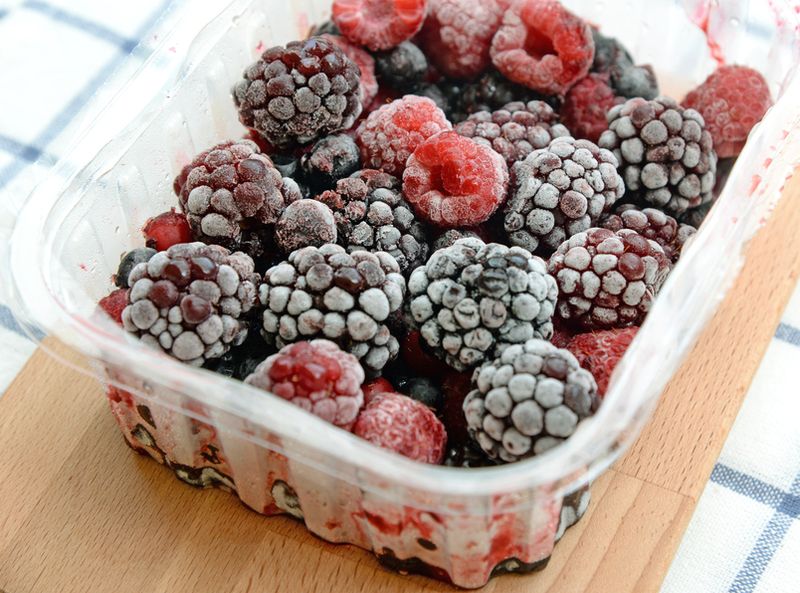
- The Nutritional Profile: Take blueberries as a prime example. A single one-cup serving (approximately 148 grams) delivers just 84 calories alongside a robust 4 grams of dietary fiber. Furthermore, they are saturated with potent antioxidants such as anthocyanins, lutein, and zeaxanthin.
- The Weight Loss Mechanism: Fiber delays gastric emptying, promoting prolonged satiety. Simultaneously, antioxidants combat systemic inflammation, which clinical research frequently links to stubborn adipose (fat) tissue accumulation.
- Expert Insight: "I love frozen fruit because it’s affordable, helps cut down on food waste, and is always washed, sliced, and ready to use whenever you need it," notes dietitian Frances Largeman-Roth. "Use it in smoothies, desserts, and as a topping for yogurt and oatmeal."
2. Greek Yogurt: The Protein and Probiotic Powerhouse
Dairy has occasionally faced scrutiny in diet culture due to its fat content, but strained dairy products like Greek yogurt occupy a golden standard in weight management protocols.
- The Nutritional Profile: A standard one-cup serving (198–200 grams) yields roughly 150 calories packed with an impressive 20 grams of protein.
- The Weight Loss Mechanism: Protein requires more energy for the body to digest—a phenomenon known as the thermic effect of food (TEF). Furthermore, protein triggers the release of peptide YY and GLP-1, hormones that signal fullness to the brain. The probiotics present in authentic Greek yogurt also optimize gut microbiome health, which emerging studies tie directly to metabolic regulation and reduced visceral fat.
- Clinical Relevance: Large-scale population studies referenced by Eating Well indicate that regular yogurt consumption as part of an energy-restricted meal plan significantly accelerates fat loss while lowering the risk of type 2 diabetes.
3. Soy Milk: The Plant-Based Nutritional Heavyweight
Navigating the dairy-alternative aisle can be overwhelming, but soy milk stands apart as a nutritionally complete option that has earned formal endorsement from federal health guidelines.
- The Nutritional Profile: One cup (240 ml) of unsweetened soy milk contains approximately 80 calories, 7 grams of complete plant-based protein, 1 gram of fiber, and substantial amounts of calcium and vitamin D (depending on fortification).
- The Weight Loss Mechanism: Unlike almond or oat milk, which are often low in protein, soy milk mimics the macronutrient profile of dairy. Clinical trials show that soy protein—rich in bioactive compounds called isoflavones—enhances fat oxidation, especially when combined with a structured physical activity regimen. It supports lean tissue retention while encouraging the reduction of overall body mass in overweight and obese demographics.
4. Tofu: The Ultimate Calorie-SpARING Chameleon
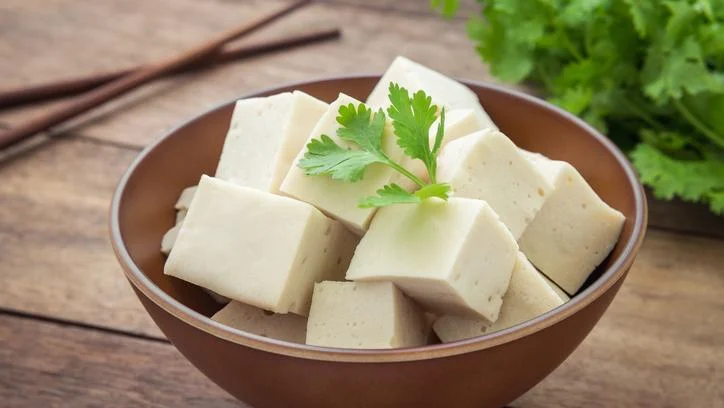
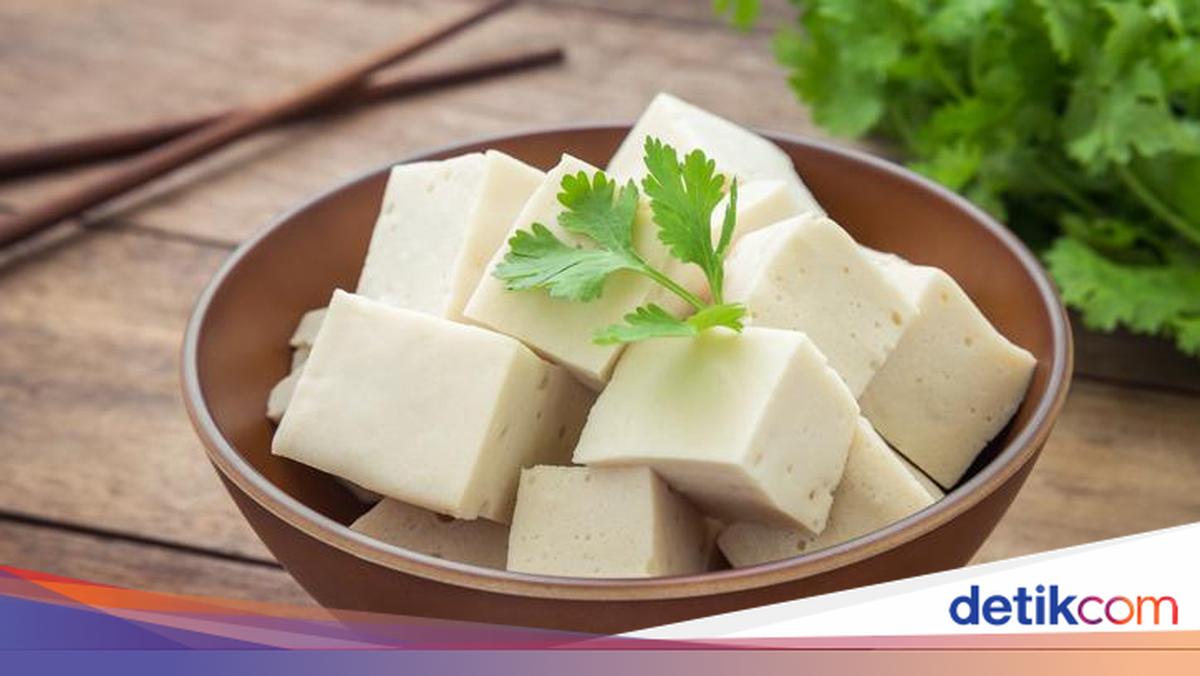
Tofu is created through an intricate yet natural process of curdling fresh soy milk, pressing it into blocks, and draining the excess water. Despite being heavily processed from whole soybeans, its impact on a weight-loss diet is profound.
- The Nutritional Profile: An 85-gram serving of tofu provides around 80 calories, 8 grams of high-quality protein, and 2 grams of fiber, all while maintaining an exceptionally high water content.
- The Weight Loss Mechanism: Tofu provides significant volume and satiety with minimal caloric density. When individuals enter a caloric deficit to lose weight, the body frequently breaks down muscle tissue for energy alongside fat. The rich amino acid profile in tofu preserves lean muscle mass, ensuring that the body’s resting metabolic rate remains elevated. Moreover, tofu’s neutral flavor profile allows it to absorb spices and marinades easily, replacing heavy, calorie-dense sauces in everyday cooking.
5. Prepared Nuts: Dispelling the Dietary Fat Myth
For decades, low-fat diets dominated weight-loss advice, causing many dieters to eliminate nuts entirely due to their high fat content. Modern science has completely reversed this stance.

- The Nutritional Profile: Naturally dense in monounsaturated and polyunsaturated fats, plant protein, and minerals.
- The Weight Loss Mechanism: Research demonstrates that consuming approximately 28 grams of nuts prior to main meals as part of a calorie-restricted diet achieves weight loss results comparable to traditional low-fat diets—often with superior long-term adherence. The healthy fats and proteins in nuts stimulate the secretion of satiety hormones, curbing post-meal cravings and preventing impulsive snacking on ultra-processed sweets.
- Practical Guideline: Health experts advise choosing dry-roasted or raw nuts with minimal or no added sodium and flavorings to maximize their metabolic benefits without triggering water retention or excess sodium intake.
Official Responses and Expert Consensus
The medical and nutritional communities have increasingly embraced the integration of accessible, processed health foods to democratize weight loss. For years, clean-eating culture carried an implicit socioeconomic bias: it assumed consumers possessed the financial capital to purchase daily organic produce and the leisure time to cook every meal from scratch.
Dietetic associations worldwide now emphasize dietary sustainability over perfection. Public health bodies point out that rigid, all-or-nothing eating plans have a failure rate exceeding 80% within the first year. By normalizing the inclusion of affordable, shelf-stable items like frozen berries, tofu, and soy milk, nutritionists are lowering the barrier to entry for effective weight management.
"The goal of any sustainable diet is not self-flagellation through culinary isolation," notes clinical nutrition literature reviewed by health networks. "It is the intelligent curation of foods that work with human biology—utilizing protein, fiber, and micronutrients to quiet the neurological drivers of hunger."
Implications for Daily Life and Long-Term Health
The validation of these five processed foods carries transformative implications for how everyday consumers approach grocery shopping, meal prep, and weight management.

- Financial Accessibility: Healthy weight loss is frequently perceived as an expensive endeavor. By leaning into affordable processed staples like frozen fruit and bulk tofu, individuals can hit their nutritional macros on a strict budget.
- Reduction of Food Waste: Fresh produce spoils rapidly, frequently leading to financial loss and culinary frustration. Frozen fruits and shelf-stable milks eliminate spoilage anxiety, empowering consumers to maintain healthy eating habits even with unpredictable schedules.
- Metabolic Protection: By prioritizing protein-dense processed options like Greek yogurt, soy milk, and tofu during a caloric deficit, dieters protect themselves against metabolic slowdowns caused by muscle wasting.
Ultimately, achieving and maintaining a healthy weight does not require culinary martyrdom. By looking past the simplistic stigma surrounding processed foods and focusing on the biochemical reality of ingredients like frozen berries, Greek yogurt, soy milk, tofu, and nuts, anyone can build a sustainable, science-backed roadmap toward long-term health and weight reduction.