The Evolution of Precision: Hitscan Unveils the Hyperlight X with Groundbreaking SPDT Switch Technology
In the high-stakes world of competitive esports, where victory is often measured in milliseconds, the equipment a player uses is an extension of their own nervous system. For professional gamers and enthusiasts alike, the search for the "perfect" mouse is an ongoing crusade. It is a pursuit defined by an obsession with ergonomics, sensor fidelity, and, increasingly, the quest for the lowest possible latency.
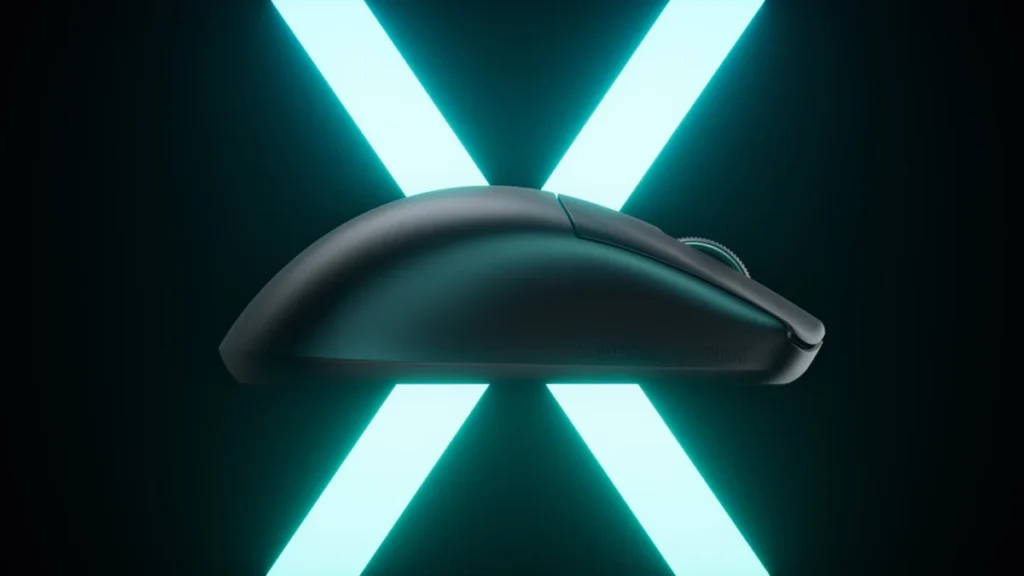
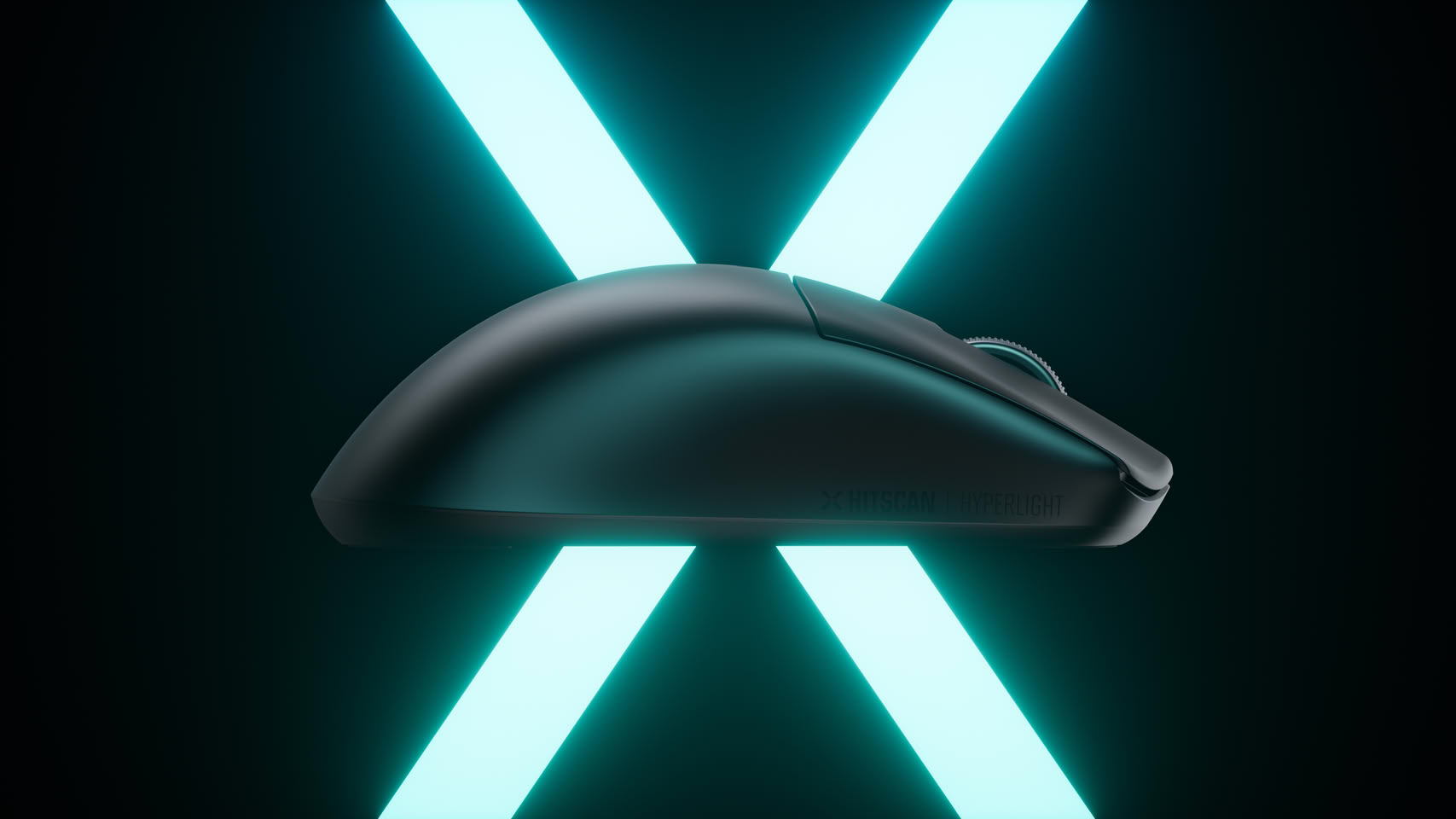
Hitscan, a brand that has rapidly carved out a reputation for pushing the boundaries of peripheral performance, has officially announced the successor to their acclaimed Hyperlight series: the Hitscan Hyperlight X. With a design philosophy centered on extreme weight reduction and cutting-edge mechanical architecture, the Hyperlight X aims to redefine what is possible in the ultra-light gaming mouse category.
The Core Specs: A Leap in Performance
The Hitscan Hyperlight X is not merely an aesthetic refresh of its predecessor; it is a fundamental re-engineering of the internal hardware stack. The headline feature is undoubtedly the inclusion of the SPDT (Single Pole Double Throw) mechanical switch system.
Traditional gaming mice utilize standard micro-switches that operate on a basic electrical contact principle. Hitscan’s move to an SPDT configuration represents a significant shift. By utilizing a different processing method for click detection, the Hyperlight X minimizes the debounce time—the interval between a physical click and the digital registration of that click—to near-instantaneous levels.
According to preliminary internal testing provided by Hitscan via their official social media channels, the mouse has been benchmarked using the OSLTT (Optical Switch Latency Test Tool). The results suggest that the Hyperlight X delivers click latency performance that rivals the industry-leading Endgame Gear OP1 8K. For players who rely on "flick" shots—rapid, precise adjustments to aim—this reduction in latency could prove to be the deciding factor in engagements.
Technical Specifications Overview:
- Weight: Approximately 37 grams (configuration dependent), down from the 39-gram standard of the previous iteration.
- Sensor: PixArt PAW3950 (an upgrade from the previous PAW3395).
- Microcontroller (MCU): Nordic nRF54L15 (a significant jump from the previous nRF52840).
- Switch Type: SPDT Mechanical Switches.
- Software: Web-based interface with comprehensive macro support.
Chronology: The Journey to Hyperlight X
The development of the Hyperlight X follows a period of rapid iteration for Hitscan. To understand the significance of this launch, one must look at the trajectory of the company’s product line.
Phase 1: Establishing the Baseline
The original Hitscan Hyperlight series was launched with a singular focus: weight reduction without sacrificing structural integrity. At 39 grams, it was already among the lightest wireless mice on the market. During its lifecycle, the community provided feedback on areas for improvement, particularly regarding the ease of cleaning and the longevity of the battery compartment.
Phase 2: The Feedback Loop
Following the release of the original model, Hitscan engaged heavily with its user base. Key feedback points included the accumulation of dust in the lower housing and a desire for more advanced sensor capabilities to match the rapidly evolving standards set by competitors like Razer and Logitech.
Phase 3: The Announcement
In October 2026, Hitscan broke its silence. Through official social media channels, the company teased the "X" variant. The announcement emphasized not just the lower weight, but the "under-the-hood" technological leap to the Nordic nRF54L15 MCU. This chip is significantly more efficient and capable of higher polling rates, signaling that Hitscan is aiming for the top-tier of competitive performance.
Supporting Data: Why Sensor and MCU Upgrades Matter
While the SPDT switches grab the headlines, the integration of the PixArt PAW3950 sensor and the Nordic nRF54L15 microcontroller is equally critical for the modern competitive player.
The PAW3950 is widely considered the current "gold standard" in optical sensor technology. It offers higher tracking speeds, better lift-off distance (LOD) calibration, and superior power efficiency compared to its predecessor, the PAW3395. When paired with the nRF54L15 MCU—a powerhouse in wireless connectivity—the mouse is capable of maintaining a more stable signal, even in environments saturated with 2.4GHz interference.
For a competitive player, a "skip" or a "stutter" in tracking during a critical moment is unacceptable. By upgrading both the sensor and the brain of the mouse, Hitscan is ensuring that the Hyperlight X remains reliable under the intense scrutiny of tournament conditions. Furthermore, the decision to move to a web-based software suite eliminates the need for bulky, system-hogging peripheral software, a move that is being widely praised by minimalist enthusiasts.
Official Responses and Design Philosophy
Hitscan’s design philosophy, as expressed in their promotional materials, is one of "unapologetic performance." The company has acknowledged that they are targeting a specific niche: the "aim-focused" gamer.
"Our goal with the Hyperlight X was to remove every possible barrier between the user’s intent and the on-screen action," a Hitscan representative noted in a statement. "By refining the bottom shell to prevent dust accumulation and implementing the SPDT switch system, we aren’t just making a lighter mouse; we are making a more reliable tool."
The redesigned battery cover, while a minor detail to the average consumer, reflects the company’s commitment to long-term durability. By sealing the area against dust, they are ensuring that the mouse maintains its 37-gram weight profile over years of use, rather than gaining weight through internal debris accumulation.
Implications for the Competitive Peripheral Market
The release of the Hyperlight X has several implications for the gaming hardware market:
- The Arms Race for Lower Latency: With Hitscan joining the likes of Endgame Gear in prioritizing OSLTT-verified click latency, we are likely to see a trend where every high-end mouse manufacturer is forced to disclose their latency metrics. The "spec sheet" battle is shifting from DPI (which has long been a marketing gimmick) to actual response times.
- The Standard for "Lightweight": As mice drop below the 40-gram threshold, the industry is approaching a physical limit. The challenge for the future will not be weight alone, but the balance between weight and structural rigidity. Hitscan’s ability to hit 37 grams without compromising the feel of the shell will be a benchmark for other brands.
- Pricing Pressures: The original Hyperlight was priced at $89.99. Given the inclusion of the nRF54L15 and the proprietary SPDT switch assembly, industry analysts expect the Hyperlight X to command a premium price point, potentially exceeding $110–$120. This raises the question: are consumers willing to pay a premium for incremental gains in latency?
Conclusion: Is the Hyperlight X for You?
The Hitscan Hyperlight X is a testament to the fact that, in the world of high-level gaming, the smallest details have the largest impact. For the casual player, the difference between a 39-gram and 37-gram mouse may be negligible. However, for a player competing in Valorant, Counter-Strike 2, or Overwatch 2, where a single millisecond determines the outcome of a duel, the Hyperlight X represents a clear technological advantage.
As we await the official retail price and launch date, the community remains divided on one point: does the pursuit of absolute zero-latency click technology provide a tangible competitive edge, or is it a case of diminishing returns?
Ultimately, the Hyperlight X is a love letter to the "aim-gods" of the world. It is a device stripped of fluff, focused entirely on the tactile, visual, and digital feedback of the player. If Hitscan’s claims regarding their SPDT switch performance hold up under public scrutiny, the Hyperlight X will likely cement itself as a staple of the competitive circuit for years to come.
Whether you are a professional player looking for every edge or a hardware enthusiast who demands the best that engineering can offer, the Hyperlight X is a peripheral that demands your attention. As the line between human reaction and machine response continues to blur, devices like this are leading the charge into a new era of esports performance.